
by Lillian Mar 24,2025
In today's fast-paced world, we're used to constantly upgrading our gadgets—from the latest smartphones to high-performance graphics cards. Yet, what happens to the old hardware? Often, it's either sold off or thrown away. However, many of these so-called outdated devices remain not just functional but crucial in various unexpected roles. Let's explore eight fascinating instances where vintage tech continues to make a significant impact.
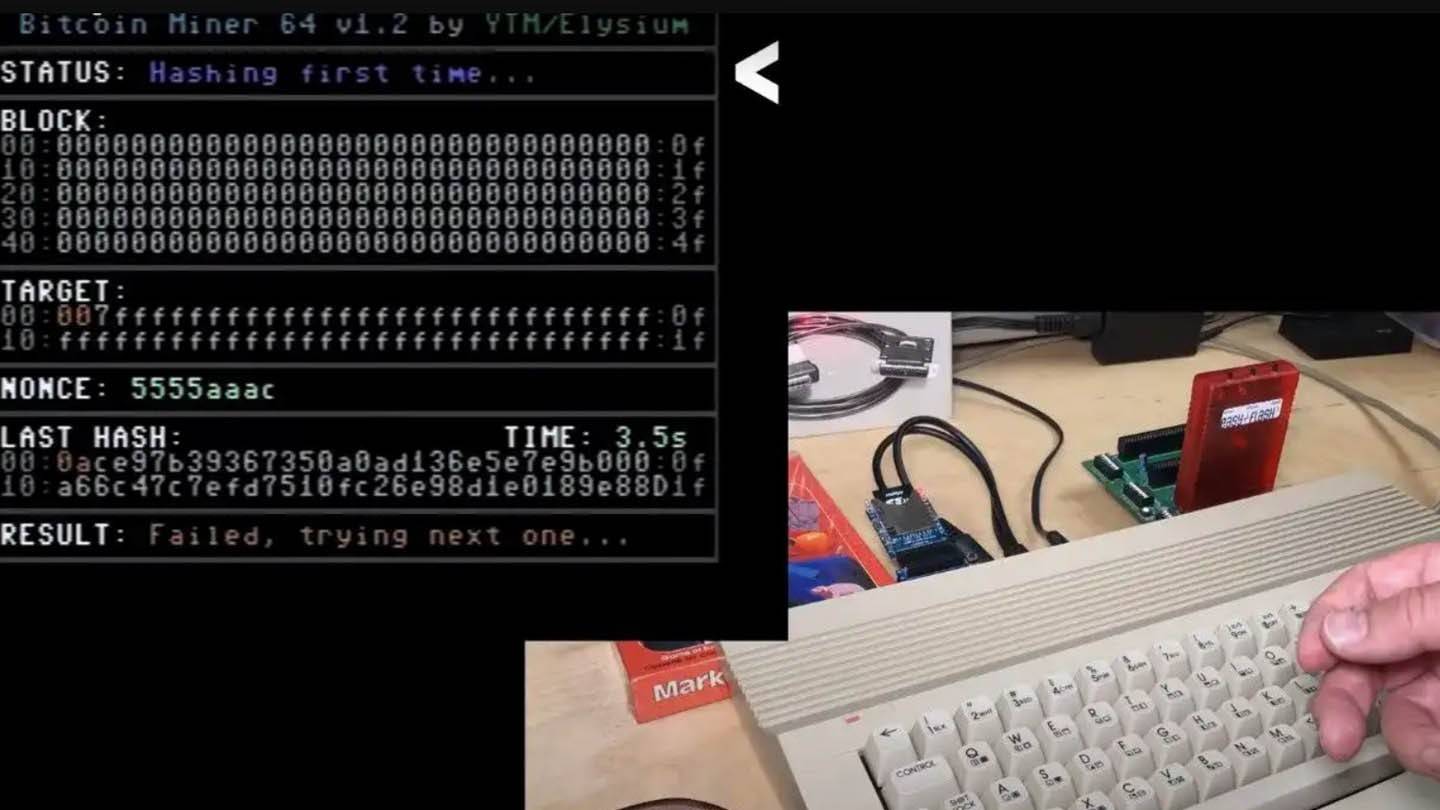 Image: x.com
Imagine mining Bitcoin with a computer from 1982. A tech enthusiast showed that the Commodore 64, with its 8-bit, 1 MHz processor, can indeed mine Bitcoin, albeit at a snail's pace of 0.3 hashes per second. To put that into perspective, an RTX 3080 GPU processes 100 million hashes per second. At this rate, mining one Bitcoin with the C64 would take roughly a billion years.
Similarly, a YouTuber named stacksmashing experimented with a 1989 Nintendo Game Boy connected to the internet via a Raspberry Pi Pico microcontroller. Running a mining program, the Game Boy managed a slightly faster rate of 0.8 hashes per second—still about 125 trillion times slower than modern ASIC miners. It would take longer than the universe's existence to mine one Bitcoin with this setup.
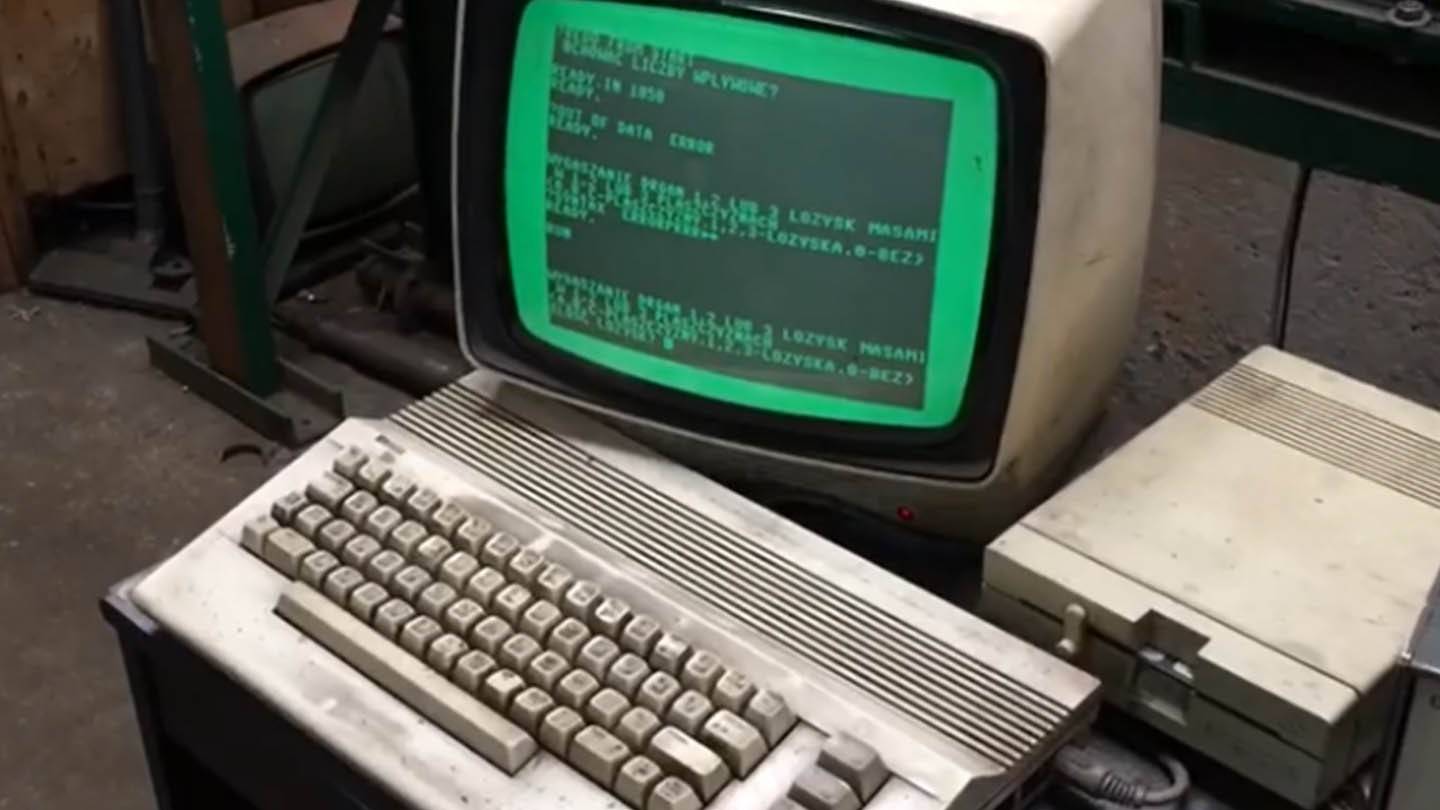 Image: x.com
In Gdansk, Poland, a Commodore 64C has been a steadfast assistant to mechanics for over 30 years. Surviving even a flood, this machine continues to perform drive shaft calculations with precision. With its 1 MHz CPU and just 64 KB of memory, the C64C runs custom software developed by the business owner, proving that older technology can sometimes outlast its modern counterparts.
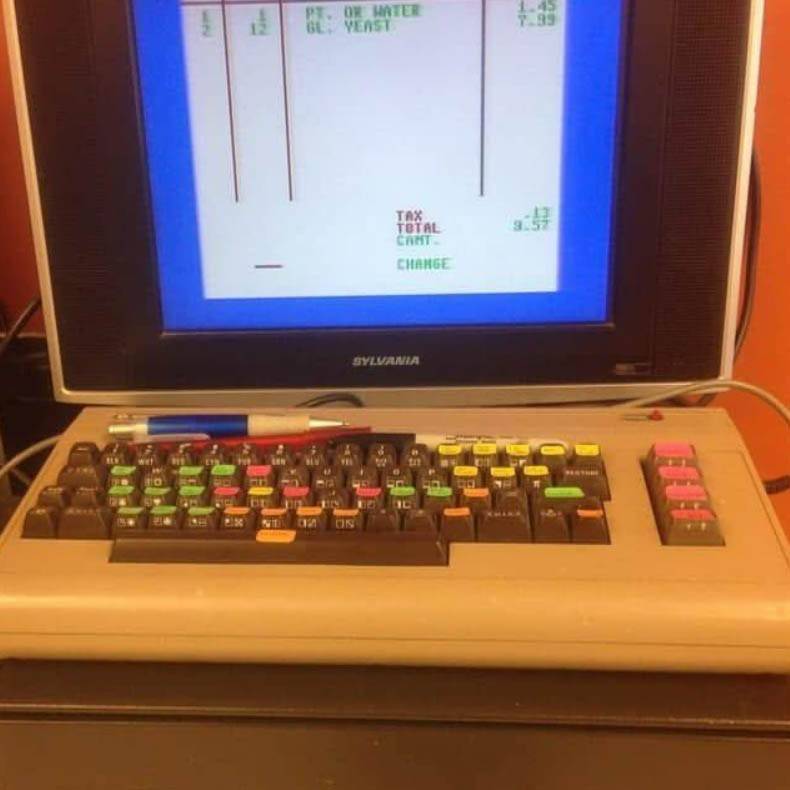 Image: x.com
An Indiana bakery has been using a Commodore 64 as its point-of-sale (POS) system since the 1980s. Dubbed the "breadbox," this computer serves as a reliable online cash register. Unlike modern POS systems that can be disrupted by software updates, the C64 has remained steadfast, with the only change being updated keyboard labels for various baked goods.
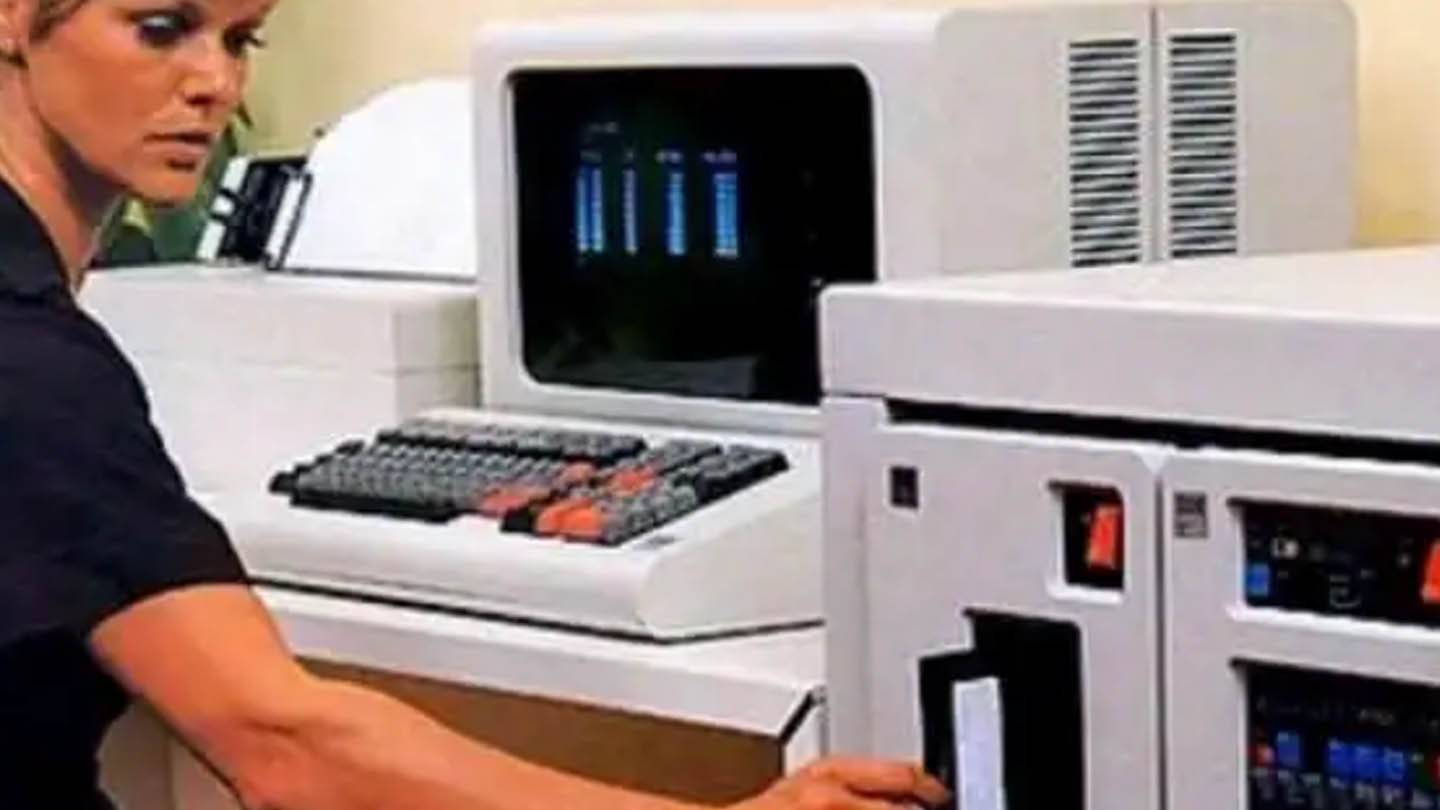 Image: x.com
The United States manages its nuclear arsenal using an IBM computer from 1976, which operates with 8-inch floppy disks storing just 80 KB of data—less than a typical instant message. Despite plans for modernization, the system's proven reliability keeps it in use.
Similarly, Germany's Brandenburg-class frigates, built in the 1990s, still use 8-inch floppy disks. Although efforts are underway to install floppy disk emulators, nostalgia and proven functionality keep the original system in place.
 Image: x.com
The HMS Queen Elizabeth, a British aircraft carrier costing billions, runs on Windows XP—an operating system no longer supported since 2014. The Royal Navy assures that all necessary security measures are implemented, but the use of such outdated software remains a concern.
Additionally, Britain's Vanguard-class submarines, including Victorious, Vigilant, and Vengeance, use Windows XP for managing intercontinental missiles. These systems remain offline for security reasons, with no planned updates until 2028.
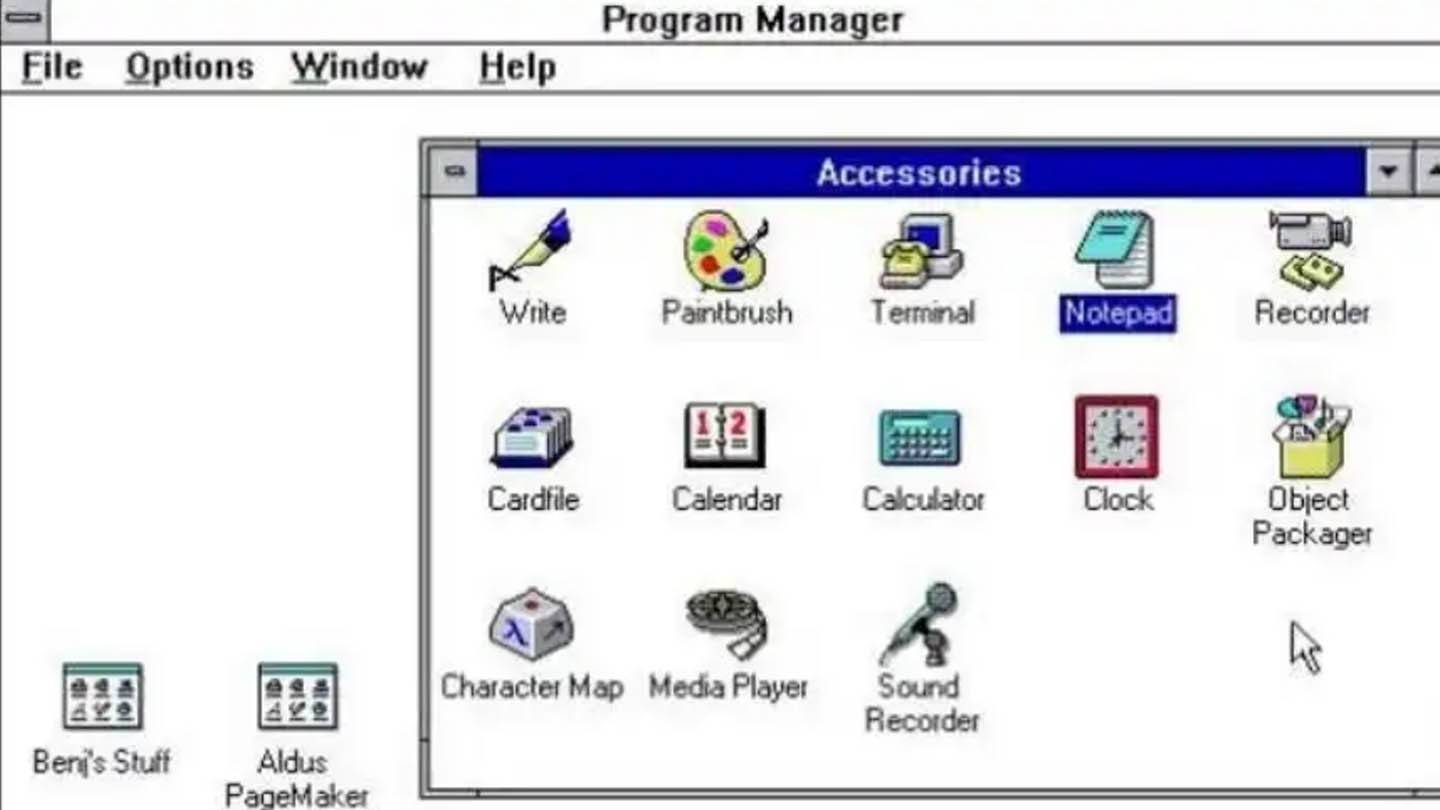 Image: x.com
In 2015, Paris Orly Airport faced a crisis when a computer running Windows 3.1 crashed. The DECOR software, crucial for providing weather data to pilots, failed, leading to flight suspensions for safety. Users humorously noted that the computer might have simply wanted to upgrade to Windows 95.
Although not directly mentioned in the original text, classic hardware like the Commodore 64 often finds new life in educational and research settings. These devices are perfect for teaching programming basics or conducting simple physics experiments, offering a tangible way to grasp fundamental computing principles.
Beyond their practical applications, many organizations hold onto legacy systems out of habit or nostalgia. Whether it's maintaining compatibility with existing workflows or avoiding the costs of upgrading, these choices highlight the enduring appeal and value of familiar tools.
These examples demonstrate how outdated technology remains vital across various industries, from cryptocurrency mining to managing nuclear arsenals. Legacy tech showcases the enduring value of simplicity and reliability, even as newer solutions eventually take their place.
Girls Frontline 2: Exilium Global Website Goes Live, Along With Its Socials!
Marvel Rivals: Understanding Bussing and Catching It
New Game Plus in Assassin's Creed Shadows: Confirmed?
Top Skills to Prioritize for Yasuke in Assassin’s Creed Shadows
Assassin’s Creed Shadows Movements Reviewed by Two Parkour Athletes
Death Stranding 2 Release Date Unveiled in Massive Trailer
Pokemon GO Leak Teases New Adventure Effects
Amazon Music Unlimited: Free 3-Month Trial Available

Ahsoka Revealed at Star Wars Celebration
Apr 09,2026
Netflix and PBS to Stream New Sesame Street Episodes After HBO Max Deal Ends
Apr 07,2026
Eternity's Bastion Season 2 Debuts Post-EVA 2025 Triumph
Apr 02,2026

Alien RPG: Idle Space Farm Guide
Apr 02,2026
GOG unveils one-click mods, Skyblivion arrives this year
Mar 30,2026
 Category