by Logan Feb 25,2025
Silent Hill's Monsters: A Psychological Deep Dive
Unlike most survival horror games that focus on external threats, the Silent Hill series delves into the protagonists' inner turmoil, manifesting their fears and trauma through the town's supernatural influence. This psychological depth sets it apart. The game's heavy use of symbolism and complex narratives can be challenging to decipher, but creators strategically embed clues for interpretation. This article explores the symbolism behind the series' iconic creatures. Spoiler alert!
Table of Contents:
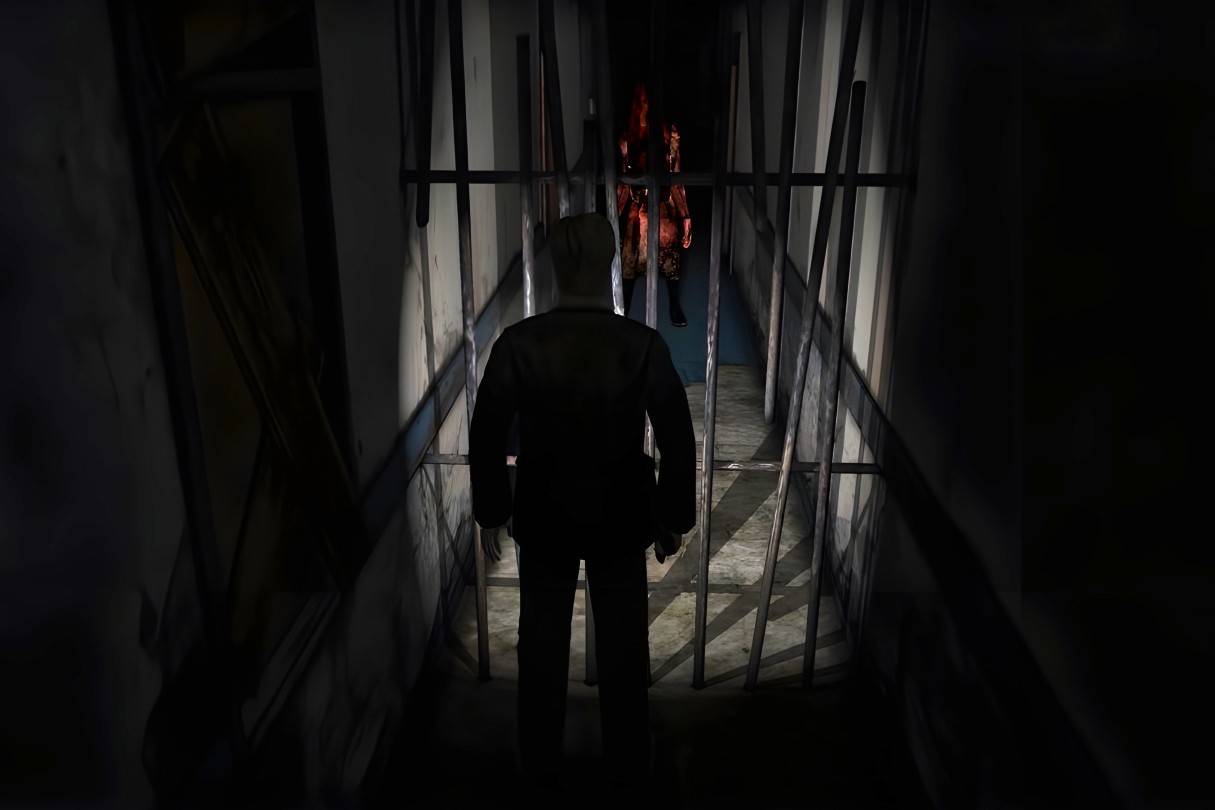 Image: ensigame.com
Pyramid Head
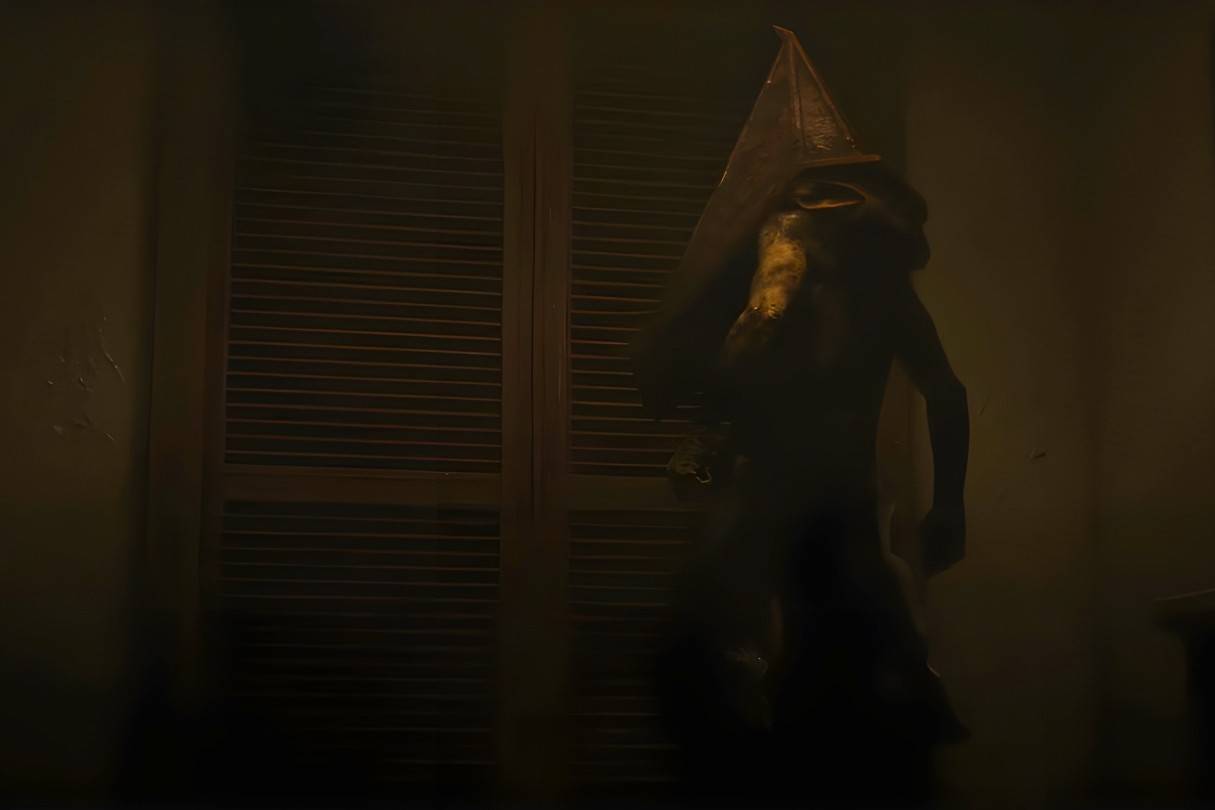 Image: ensigame.com
Debuting in Silent Hill 2, Pyramid Head embodies protagonist James Sunderland's guilt and inner torment. His design, influenced by PS2 hardware limitations, reflects James' self-punishment and subconscious desire for retribution. He also represents Silent Hill's dark history of capital punishment.
Mannequin
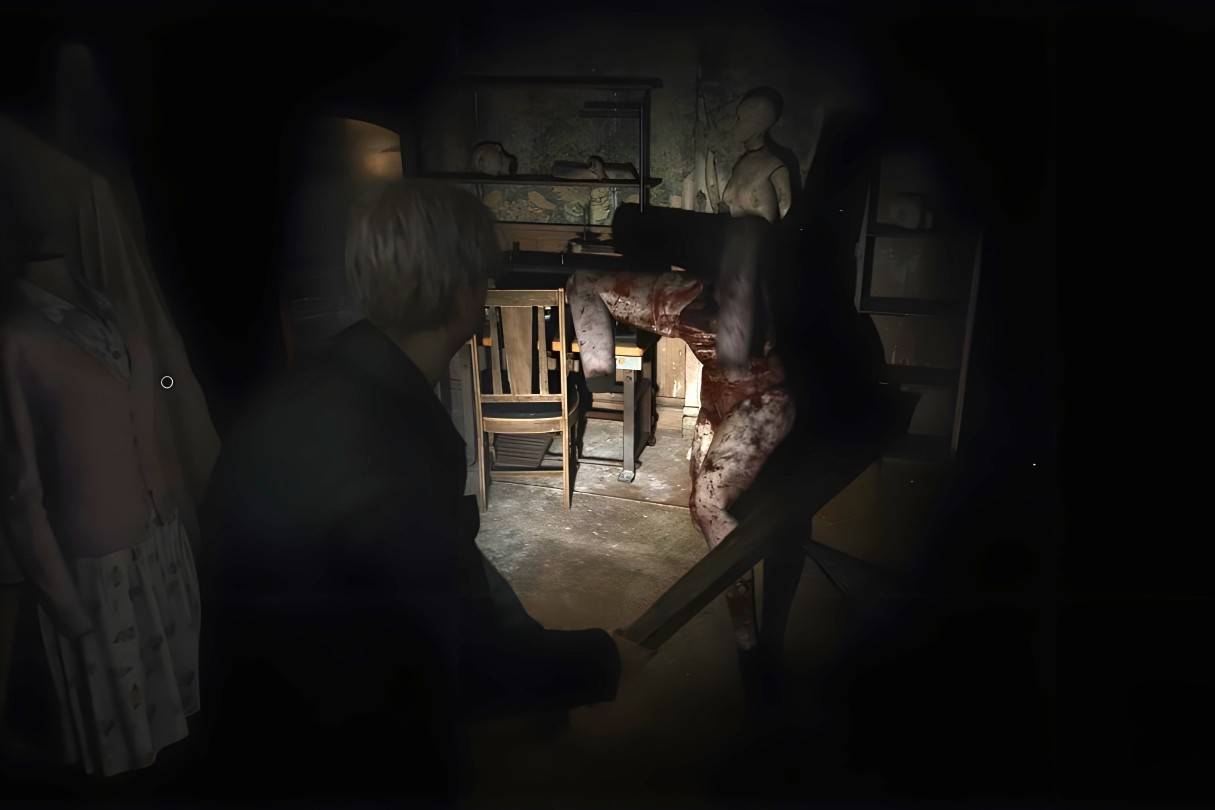 Image: ensigame.com
Also from Silent Hill 2, the Mannequins represent James' repressed memories of his wife's illness. Their leg braces and tubes evoke hospital imagery and his guilt.
Flesh Lip
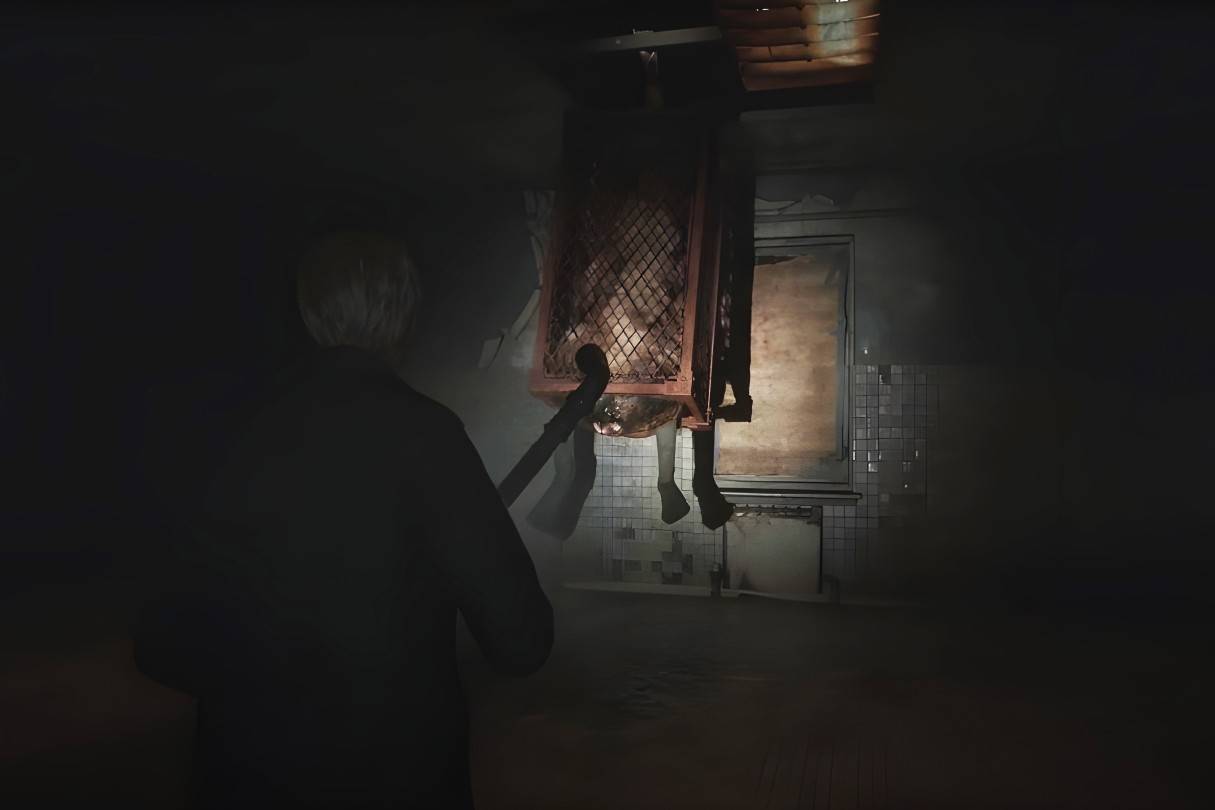 Image: ensigame.com
Another Silent Hill 2 creation, Flesh Lip represents James' memory of Mary's illness and her verbal abuse. Its appearance in the game precedes other creatures with mouths, emphasizing James' confrontation with painful memories.
Lying Figure
 Image: ensigame.com
The first creature encountered in Silent Hill 2, the Lying Figure embodies James' repressed guilt and memories of Mary's suffering. Its form suggests both Mary's sickbed and her corpse.
Valtiel
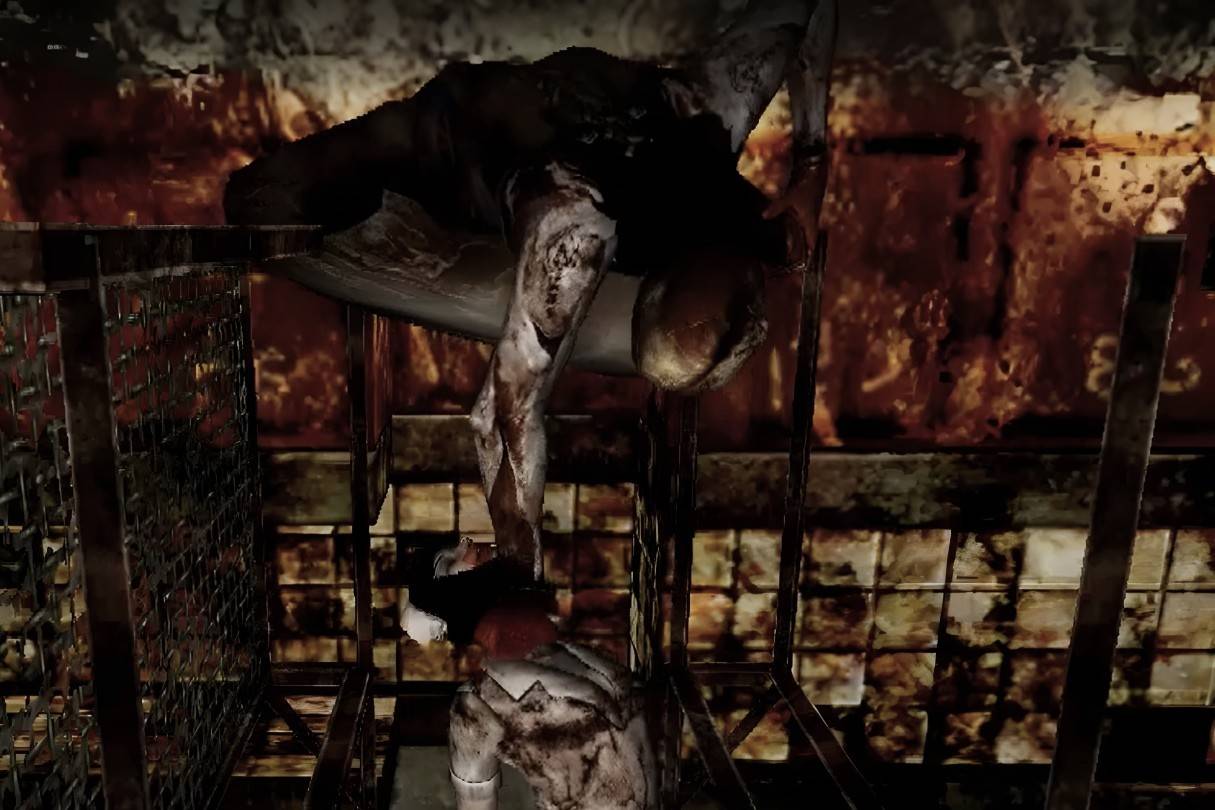 Image: ensigame.com
Appearing in Silent Hill 3, Valtiel is unlike other creatures; he's an independent being serving a higher power, not a manifestation of a character's psyche. His surgeon-like appearance reflects his role in Heather's transformation.
Mandarin
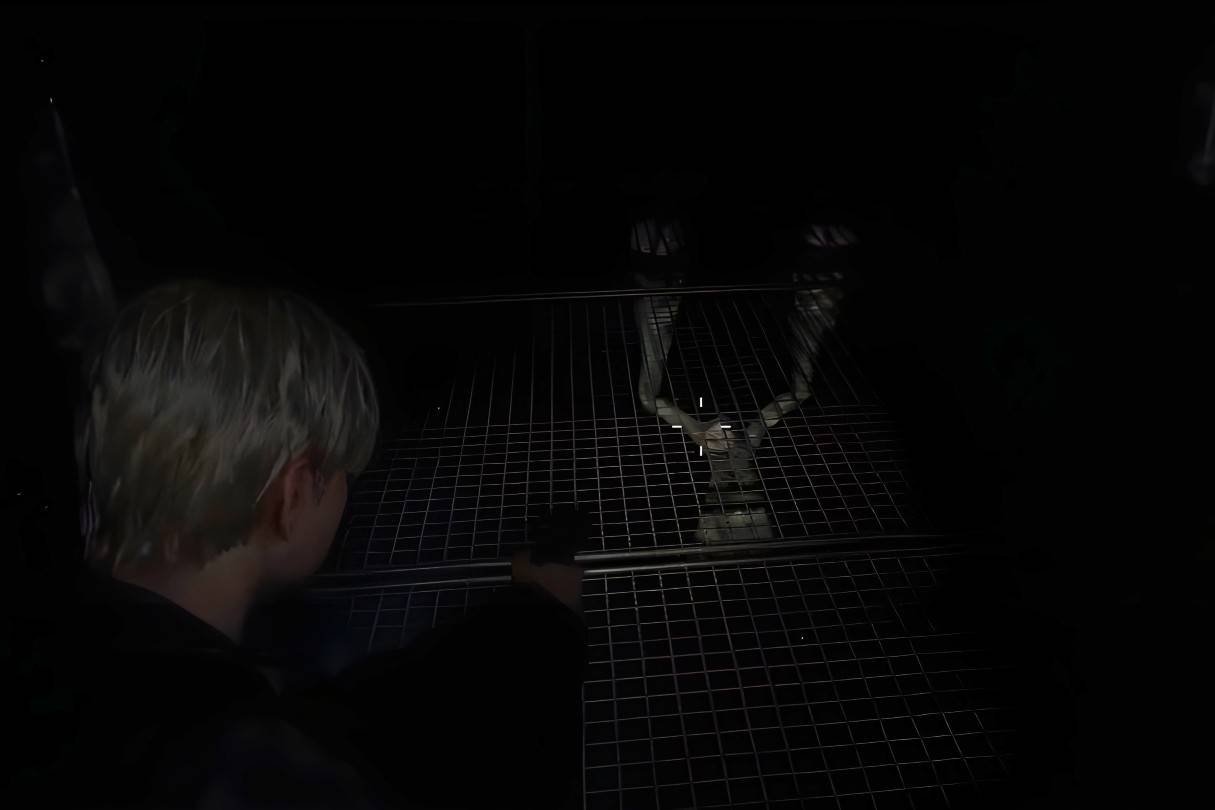 Image: ensigame.com
Found in Silent Hill 2, Mandarins embody James' anguish and memories of Mary's suffering. Their mouths symbolize Mary's inner turmoil and James' desire to escape his guilt.
Glutton
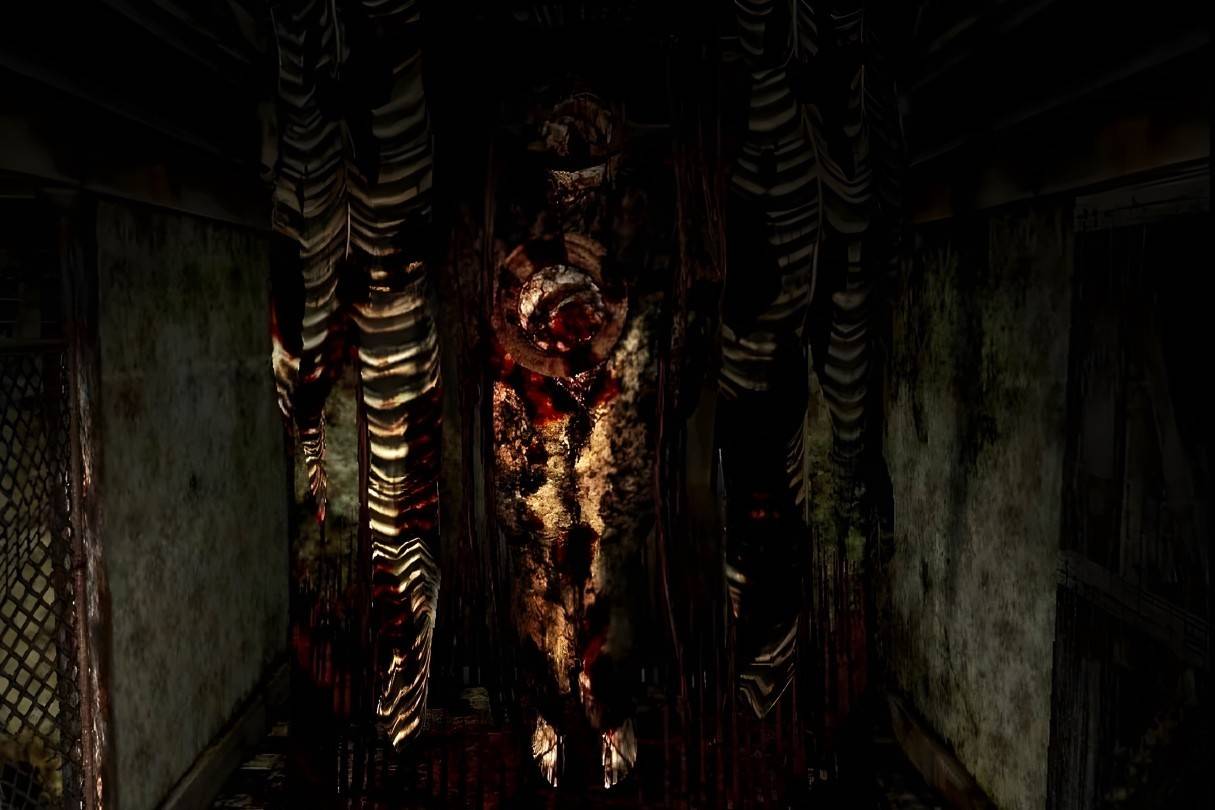 Image: ensigame.com
In Silent Hill 3, the Glutton symbolizes helplessness in the face of fate, mirroring Heather's struggle. Its connection to the fairytale "Tu Fui, Ego Eris" reinforces this theme.
Closer
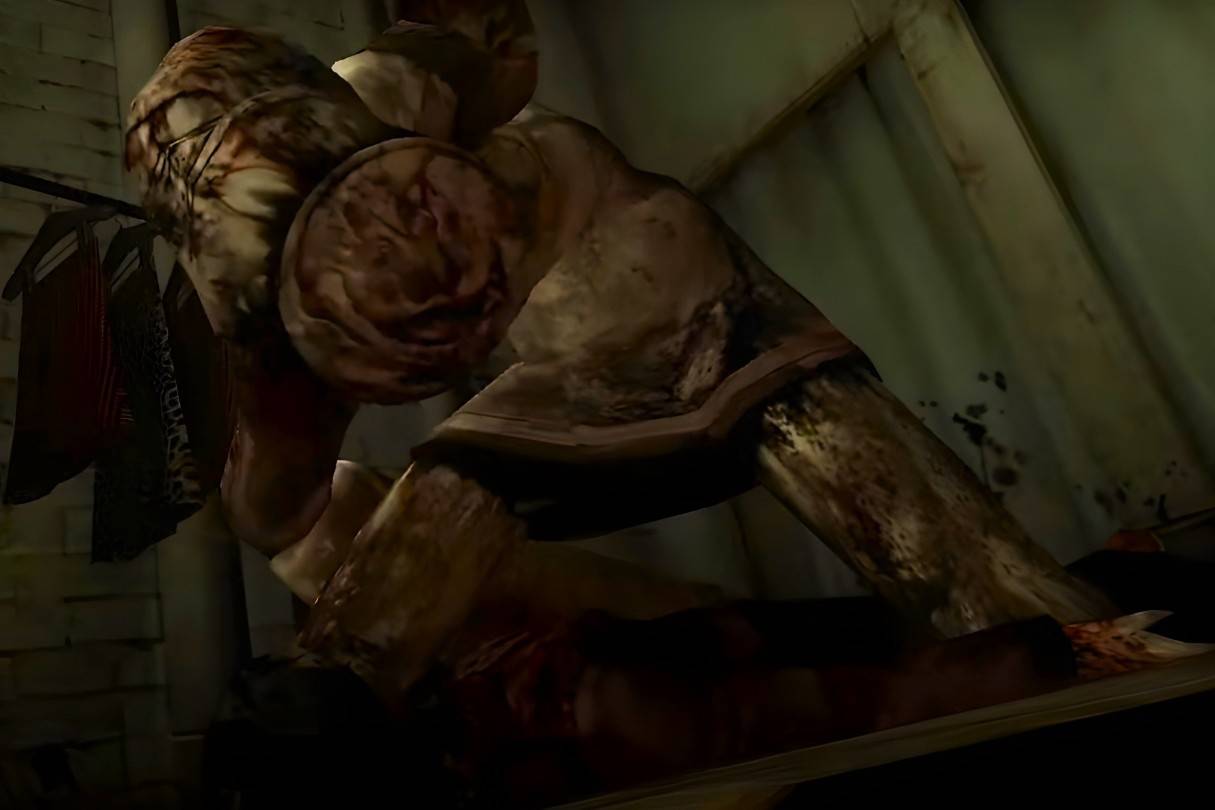 Image: ensigame.com
The first monster Heather encounters in Silent Hill 3, the Closer's name reflects its ability to block paths, symbolizing obstacles in her journey.
Insane Cancer
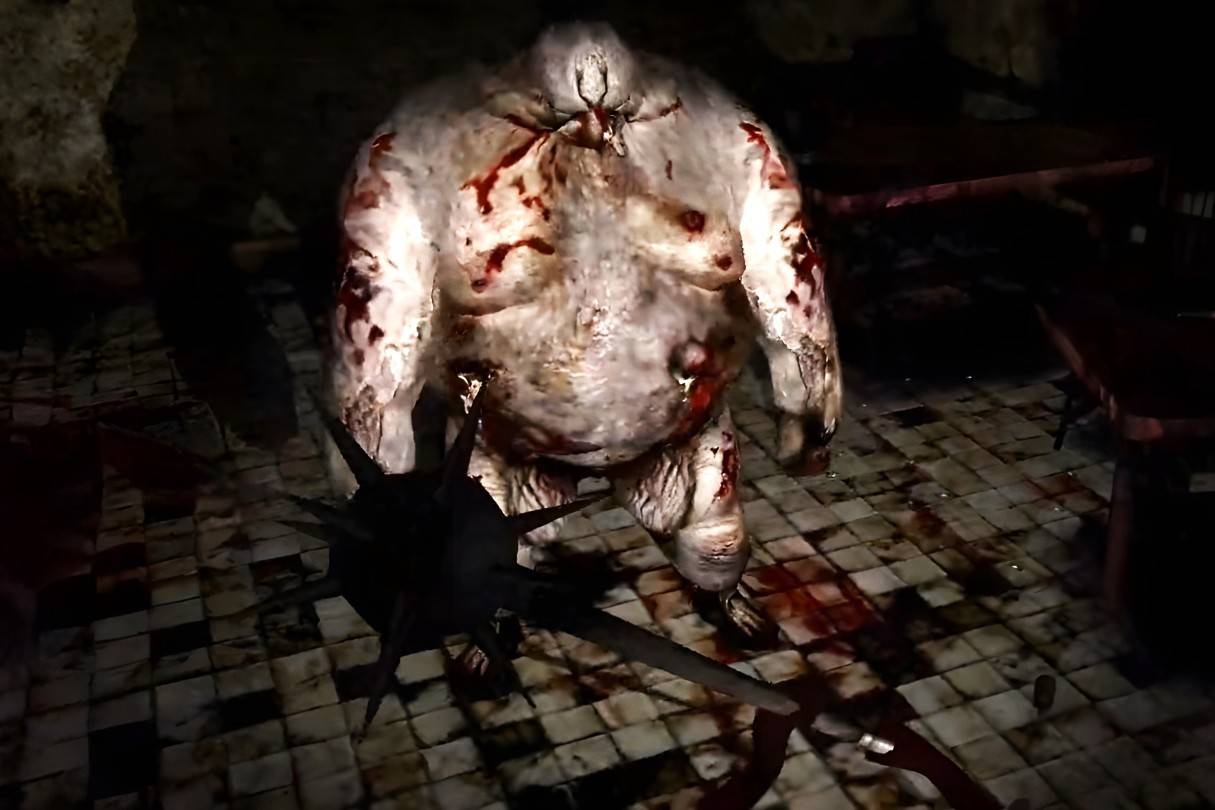 Image: ensigame.com
From Silent Hill 3, the Insane Cancer reflects disease and corruption, possibly symbolizing Silent Hill's spreading evil or Alessa's self-loathing.
Grey Children
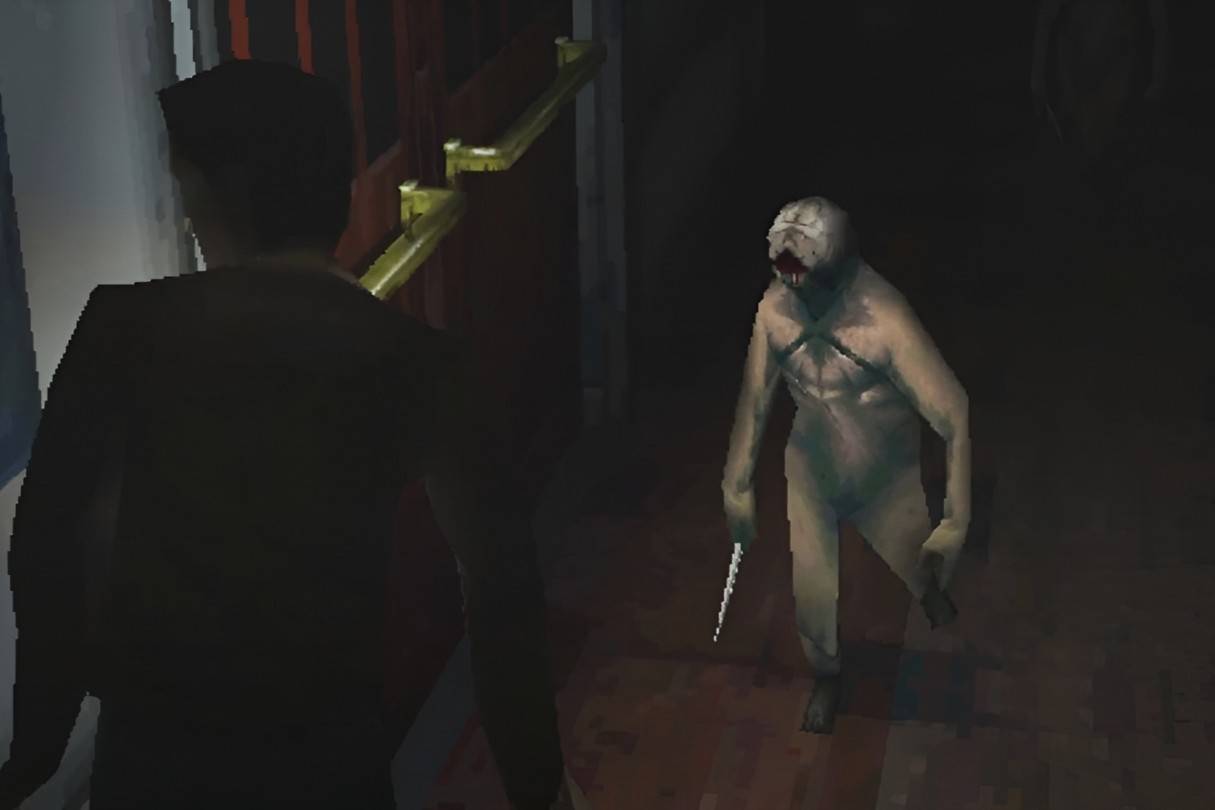 Image: ensigame.com
Appearing in Silent Hill, the Grey Children represent Alessa's tormentors and her own pain and revenge.
Mumblers
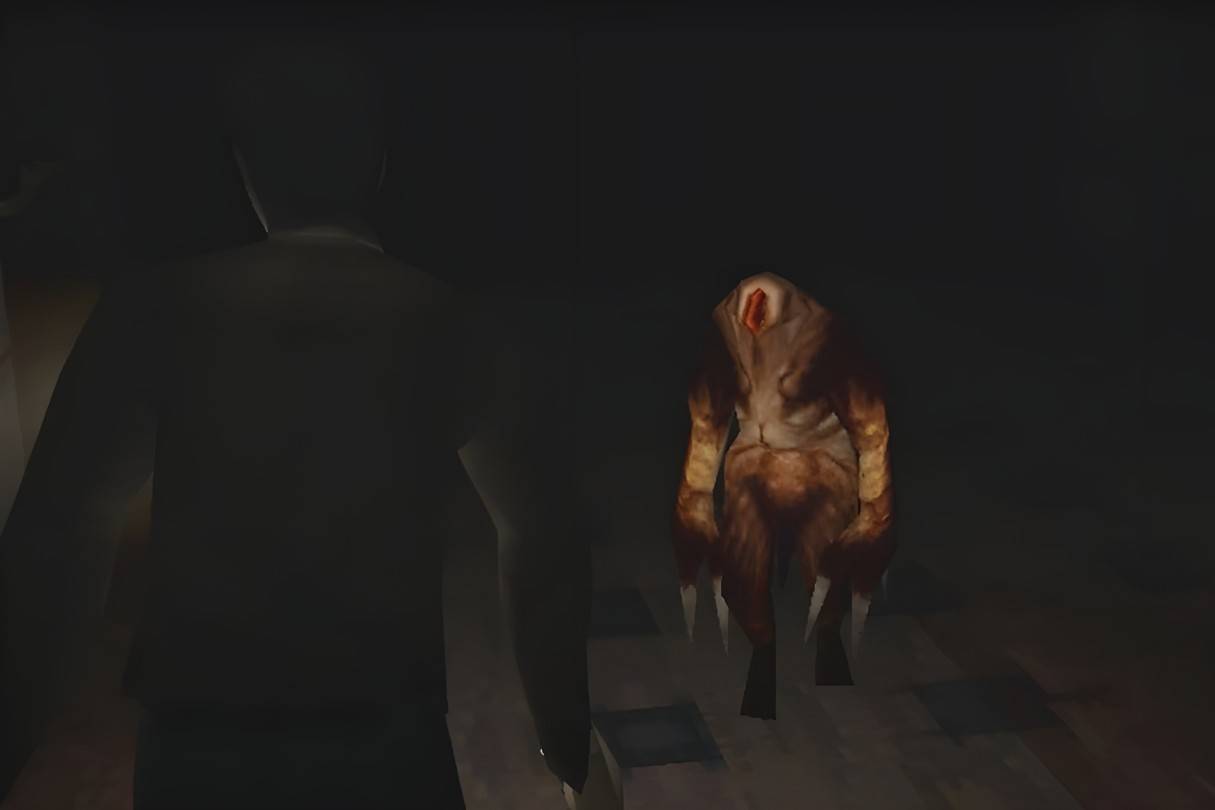 Image: ensigame.com
Also from Silent Hill, Mumblers embody Alessa's childhood fears and distorted imagination.
Twin Victims
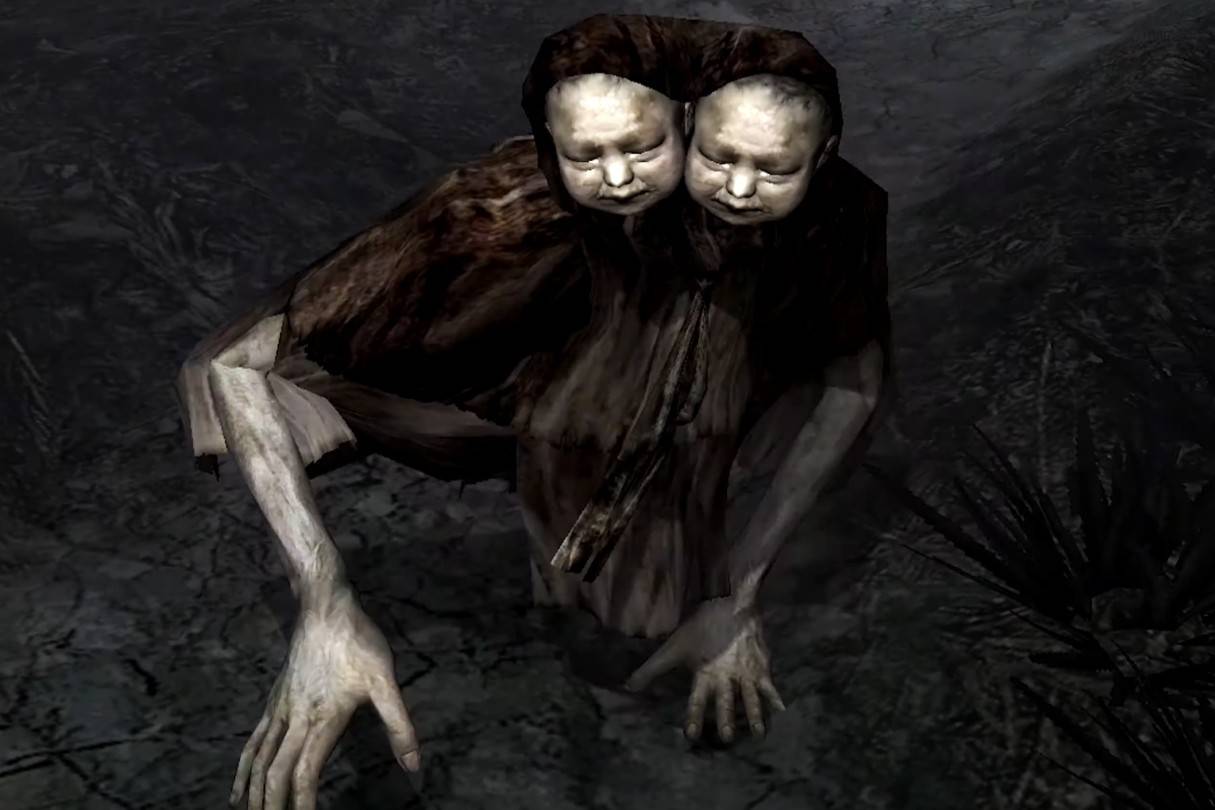 Image: ensigame.com
Found in Silent Hill 4, the Twin Victims symbolize Walter Sullivan's obsessive attachment to his mother.
Butcher
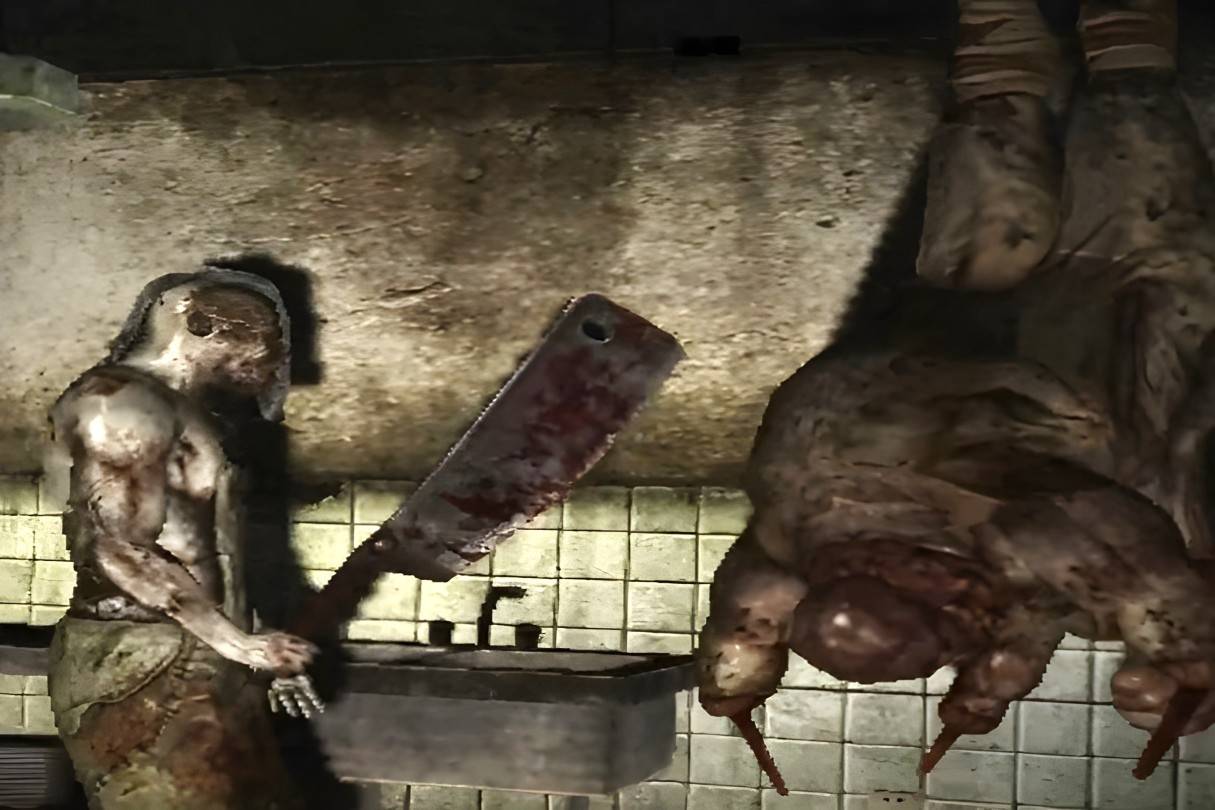 Image: ensigame.com
A major antagonist in Silent Hill: Origins, the Butcher represents cruelty and sacrifice, reflecting Travis Grady's inner rage.
Caliban
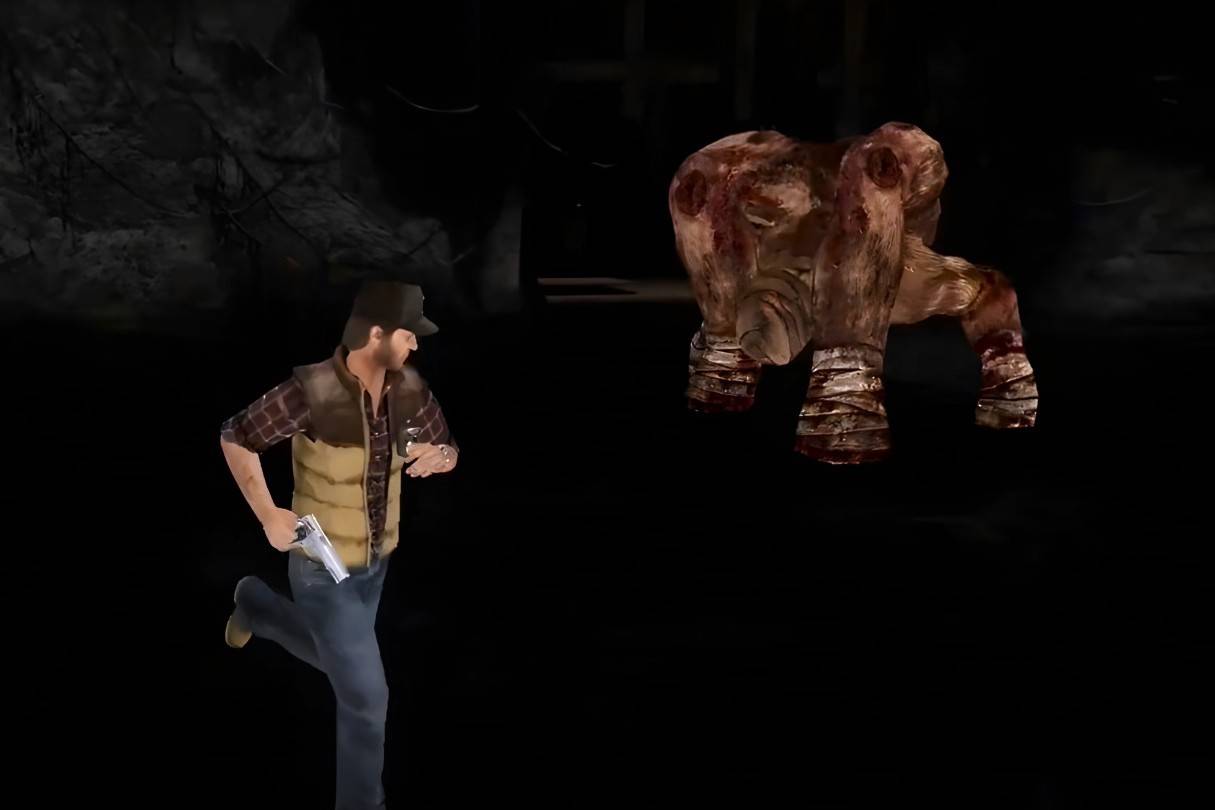 Image: ensigame.com
From Silent Hill: Origins, Caliban symbolizes Alessa's fears, particularly her fear of dogs.
Bubble Head Nurse
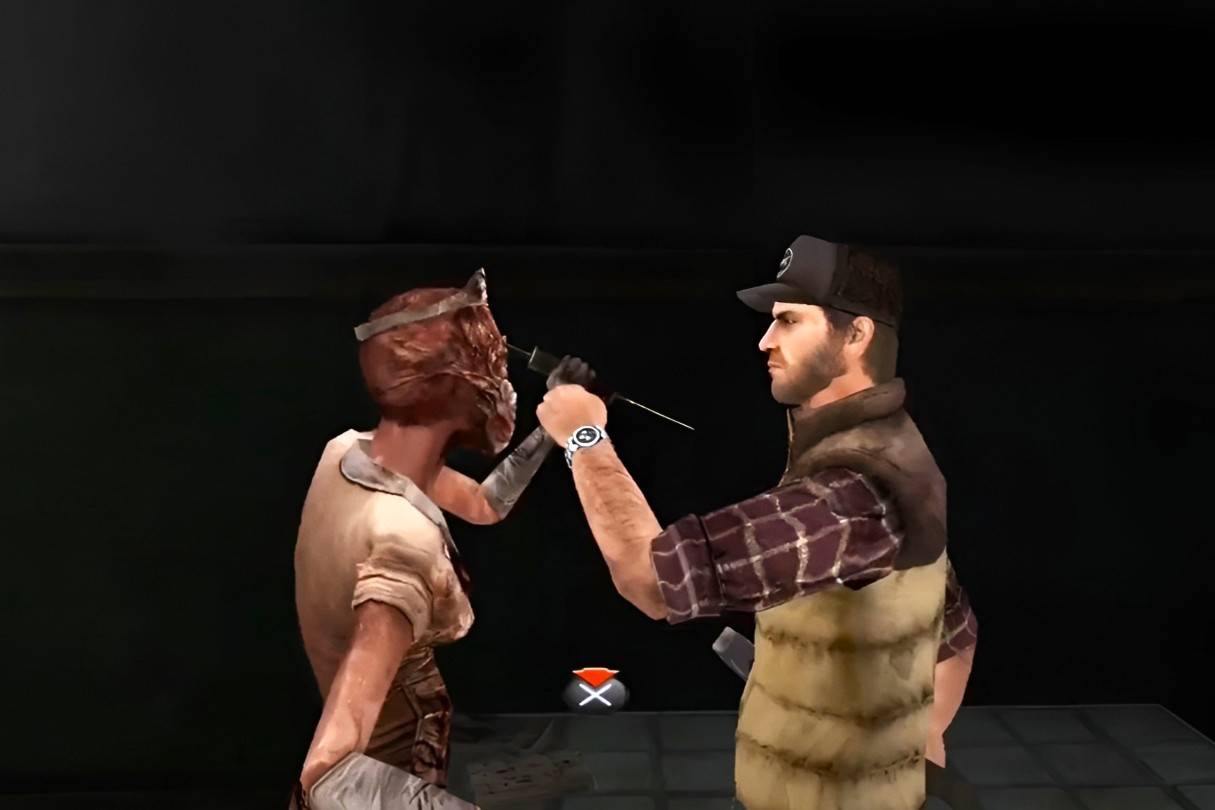 Image: ensigame.com
The iconic Bubble Head Nurse from Silent Hill 2 manifests James' guilt and repressed desires, symbolizing Mary's illness and their lost dreams.
The monsters of Silent Hill are far more than simple enemies; they are powerful symbols of psychological horror, reflecting the protagonists' inner struggles and the town's dark influence. Their haunting presence is a key element in the series' unsettling storytelling and profound symbolism.
Girls Frontline 2: Exilium Global Website Goes Live, Along With Its Socials!
Marvel Rivals: Understanding Bussing and Catching It
New Game Plus in Assassin's Creed Shadows: Confirmed?
Top Skills to Prioritize for Yasuke in Assassin’s Creed Shadows
Assassin’s Creed Shadows Movements Reviewed by Two Parkour Athletes
Death Stranding 2 Release Date Unveiled in Massive Trailer
Pokemon GO Leak Teases New Adventure Effects
Amazon Music Unlimited: Free 3-Month Trial Available
Yatzy Master
Download
Little Robot Mod
Download
Charades and other party games - Lexis Pexis
Download
Brain Boom - Tricky Puzzles game, IQ Challenge
Download
Rezident slot safes
Download
Poker Mania
Download
EA Sports FC Mobile 25 (FIFA Fútbol)
Download
MainCraft: build & mine blocks
Download
Red Cherry Slot Machine
DownloadGaming Monitors Impress at Computex 2025
Apr 29,2026
Netflix will soon offer interactive party games you and your friends can play via mobile
Apr 27,2026
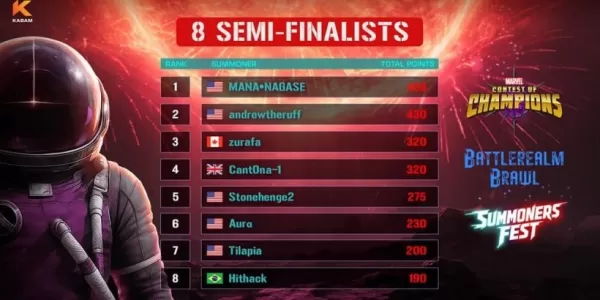
Marvel Contest Semi-Finalists Revealed for Battlerealm Brawl
Apr 25,2026
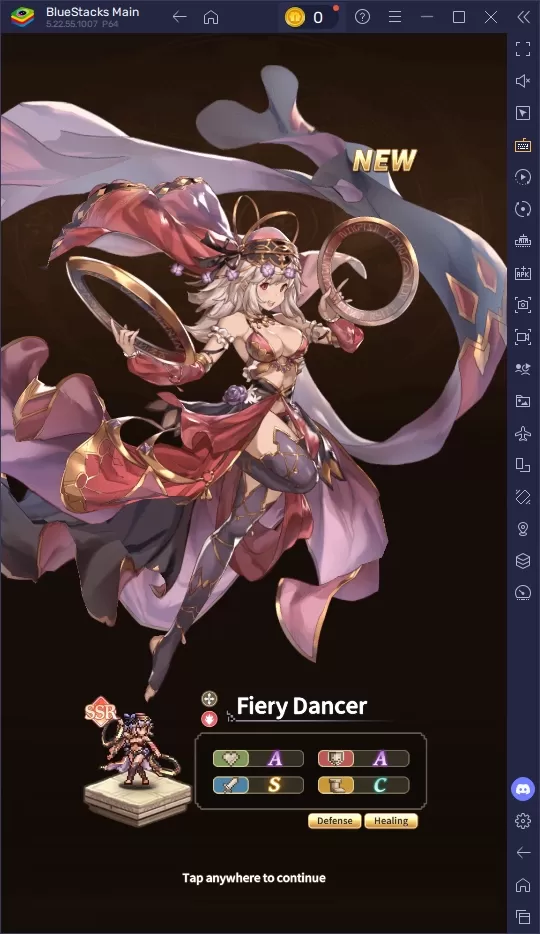
Endless Grades: Pixel Saga – The Best Tips & Tricks To Boost Your Progression
Apr 22,2026
Foretales: Card Game Shapes Apocalyptic Fate
Apr 20,2026
 Category