by Joshua Jan 24,2025
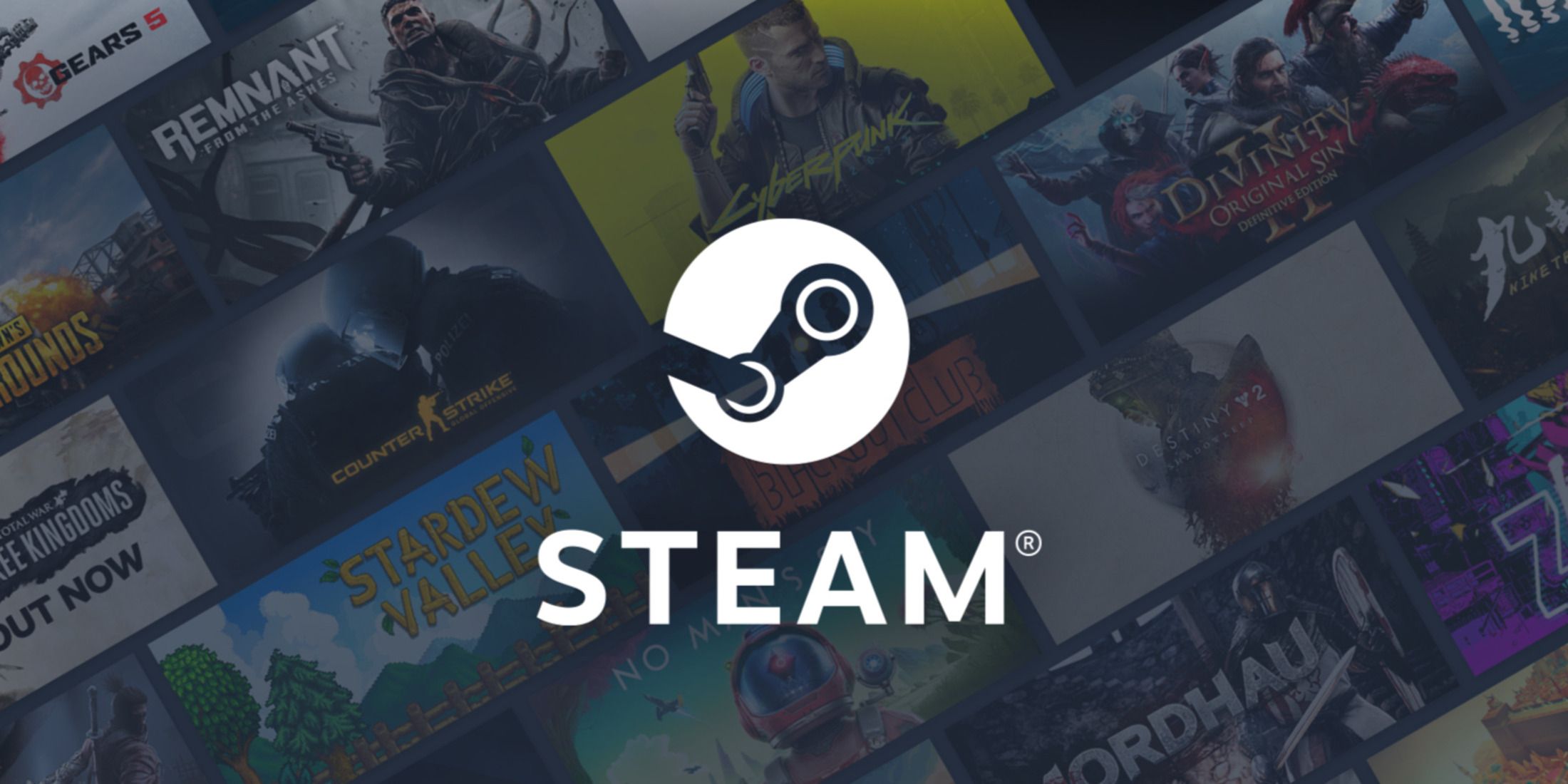
Die aktuellen Controller-Nutzungsstatistiken von Steam unterstreichen die wachsende Beliebtheit
Ein aktueller Valve-Blogbeitrag zeigt einen erheblichen Anstieg der Gamepad-Nutzung auf der Steam-Plattform. In den letzten Jahren ist die Controller-Unterstützung zu einem Schlüsselfaktor für Gamer geworden, die Spiele auf Steam kaufen, und dieser Trend beschleunigt sich nur noch.
Valve, bekannt für seinen innovativen Ansatz sowohl bei Software als auch bei Hardware (wie Titel wie Half-Life, Team Fortress 2 und Portal sowie Hardware wie das Steam Deck belegen), verzeichnet auf Steam eine dreifache tägliche Controller-Nutzung. Dies stellt einen erheblichen Anstieg gegenüber 2018 dar, da die Controller-Nutzung mittlerweile 15 % aller täglichen Sitzungen ausmacht. Von diesen 15 % nutzen beachtliche 42 % Steam Input.
Der Blog-Beitrag beleuchtet auch die sich entwickelnde Controller-Landschaft und bezeichnet den Xbox-Controller als die beliebteste Wahl unter Steam-Benutzern. Um mit diesem Wachstum Schritt zu halten, hat Valve die Controller-Unterstützung kontinuierlich verbessert. Die jüngsten Updates konzentrieren sich auf Verbesserungen des Big Picture-Modus und der virtuellen Menüs von Steam.
Wichtige aktuelle Verbesserungen der Steam-Controller-Unterstützung:
Die Bedeutung der Steam-Eingabe wird hervorgehoben, da sie die Kompatibilität mit über 300 verschiedenen Controllern ermöglicht. Diese Vielseitigkeit ist ein Eckpfeiler des Steam-Erlebnisses und wird durch die Flexibilität des Steam Decks ergänzt, das sowohl Handheld- als auch Remote-Spielen ermöglicht.
Valves Engagement für Innovation setzt sich mit dem Steam Deck fort, einem äußerst erfolgreichen Handheld-Gerät, das 2022 auf den Markt kam. Das Steam Deck konkurriert auf einem von der Nintendo Switch dominierten Markt und erfreut sich schnell wachsender Beliebtheit, was durch regelmäßige Preissenkungen noch verstärkt wird. Seine High-End-Leistung ermöglicht es Benutzern, einen erheblichen Teil ihrer Steam-Bibliotheken überallhin mitzunehmen.
Girls Frontline 2: Exilium Global Website geht live, zusammen mit seinen sozialen Netzwerken!
Marvel -Rivalen: Das Verstehen von Bussen und Fangen
Neues Spiel Plus in Assassins Creed Shadows: bestätigt?
Top -Fähigkeiten, um Yasuke in Assassins Creed Shadows zu priorisieren
Death Stranding 2 Erscheinungsdatum in massivem Trailer vorgestellt
Assassins Creed Shadows -Bewegungen, die von zwei Parkour -Athleten überprüft wurden
Pokemon Go Leak neckt neue Abenteuereffekte
Amazon Music Unlimited: Kostenlose 3-Monats-Testversion verfügbar
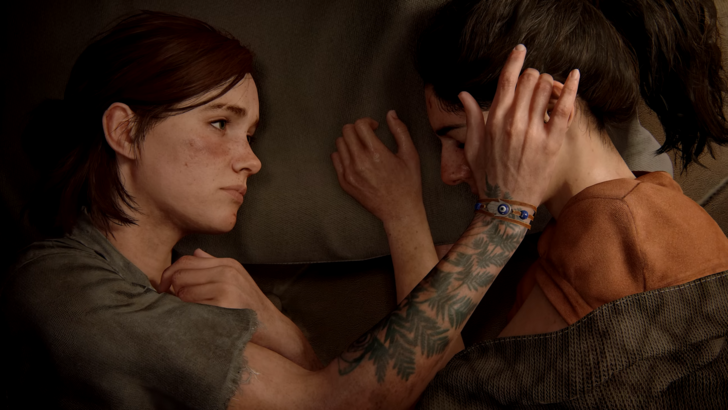
Naughty Dog dementiert Gerüchte über The Last of Us 3
May 11,2026

Beats Studio Pro kabellose Noise-Canceling-Kopfhörer fallen für den Black Friday unter 140 US-Dollar
May 11,2026

Starfield-Update erschienen, Modding-Szene wächst – weitere DLCs geplant
May 09,2026
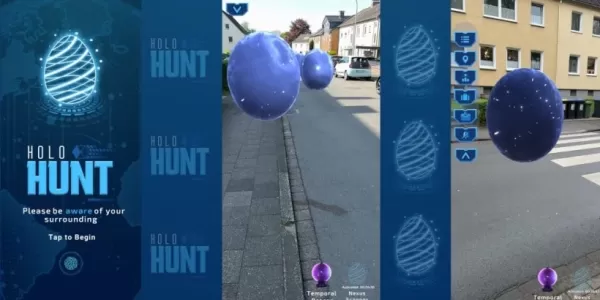
Holo Hunt: Die AR-Eiersuche bietet im Frühzugang echte Belohnungen
May 09,2026
As of recent reports, Disney has quietly removed 14 classic video games from its PC storefront, including popular titles like The Lion King (1994), Aladdin (1993), Pocahontas (1995), and Hercules (1997), among others. These games, originally released in the 1990s and early 2000s, were re-released on platforms like Steam and the Disney Digital Store as part of a nostalgic revival. What’s notable is that Disney provided no official explanation for the removals. There were no press releases, blog posts, or customer notifications. The games simply vanished from storefronts—disappearing from users’ libraries and purchase pages alike. Possible Reasons (Speculation): Licensing and Rights Issues: Some of these games may involve third-party licenses (e.g., music, character rights) that Disney no longer holds or has renewed. Rebranding or Re-releases: Disney may be preparing to re-launch these games under a new format—potentially remastered, updated, or re-released via a different platform or subscription service (like Disney+). Platform Strategy Shifts: Disney has been focusing on its own ecosystem (e.g., Disney+ Games, mobile apps), and removing older PC titles could be part of streamlining its digital offerings. Technical or Legal Obsolescence: Some of these titles may no longer be compatible with modern operating systems or could face unresolved legal challenges related to digital distribution. Fan Reaction: The removals have sparked strong reactions from fans and retro gaming communities. Many expressed disappointment, frustration, and confusion—especially since the games were still available for purchase and had active player bases. Some users noted that they had purchased the digital versions and now can’t access them. Others pointed out that these were not just games but cultural artifacts tied to iconic Disney films. What Should Players Do? Check your purchase history and digital library to see if you still have access to the games (some may still be in your Steam library or account). Contact Disney customer support for inquiries, though responses have been limited. Consider backing up any game files you have (if legally permitted). Stay tuned for any updates from Disney regarding a potential re-release. Final Note: While Disney has not confirmed the reason for the removals, the lack of communication has raised concerns about digital ownership and long-term access to video games. The incident highlights the fragility of digital media—even beloved classics can vanish without warning. For now, the 14 removed games remain missing from Disney’s storefronts, and fans are left hoping for a return—ideally with an explanation.
May 06,2026
 Kategorie