by Andrew Oct 24,2025
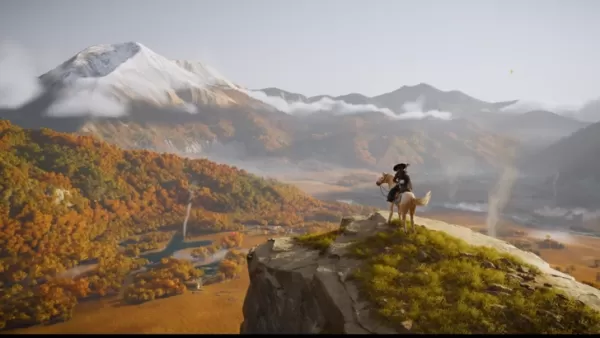
Ghost of Yōtei se centra en permitir a los jugadores explorar libremente y experimentar la rica cultura y paisajes de Ezo. Descubre cómo Sucker Punch ha mejorado los elementos de exploración del juego y cómo su duración se compara con el Ghost of Tsushima original.
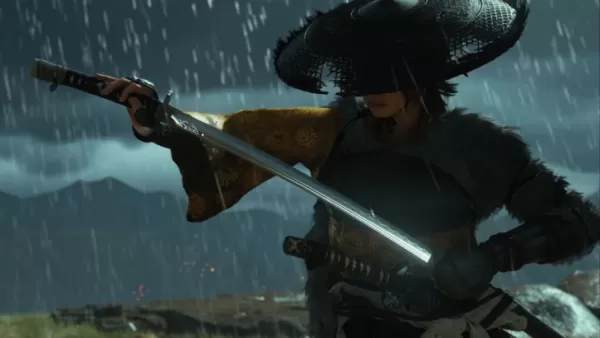
Ghost of Yōtei se basa en el enfoque de su predecesor para la exploración en el Japón feudal. En una entrevista del 18 de julio con GamesRadar+, los directores de Sucker Punch, Nate Fox y Jason Connell, discutieron su visión para expandir las mecánicas de exploración en esta secuela independiente.
El equipo de desarrollo estudió aclamados títulos de mundo abierto como Elden Ring y The Legend of Zelda: Breath of the Wild, considerándolos puntos de referencia para el juego basado en el descubrimiento. Estas influencias moldearon la filosofía de diseño de Ghost of Tsushima, y Yōtei pretende llevar estos conceptos aún más lejos.
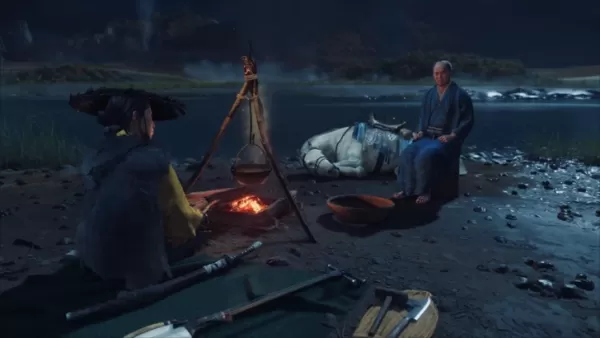
Connell explicó: "Hemos desarrollado nuevos métodos para presentar información manteniendo la accesibilidad. Los jugadores tienen preferencias diferentes: algunos prefieren objetivos claros mientras que otros disfrutan de una exploración más profunda".
El juego también expande su sistema de combate con nuevas mecánicas y mayor flexibilidad. Fox señaló: "Yōtei introduce más capas para crear encuentros de combate dinámicos. Hemos reemplazado el sistema de posturas con armas distintivas, incluyendo una nueva quinta arma, cada una ofreciendo una jugabilidad única más allá de las diferencias estéticas".
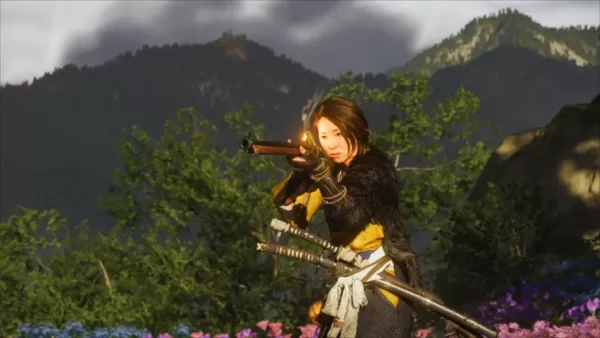
Una adición significativa es la inclusión de armas de fuego, reflejando el avance tecnológico de 300 años desde Tsushima. Fox aclaró: "Las armas de fuego cumplen propósitos tácticos específicos pero se mantienen equilibradas para preservar la fantasía del combate samurái. Son poderosas cuando se usan estratégicamente, pero las espadas siguen siendo centrales en la jugabilidad".
Más allá del combate, el juego captura la esencia cultural de Ezo a través de su entorno y narrativa. "El contraste entre paisajes impresionantes y peligros ocultos define nuestra visión creativa. Esta tensión da vida al mundo", añadió Fox.
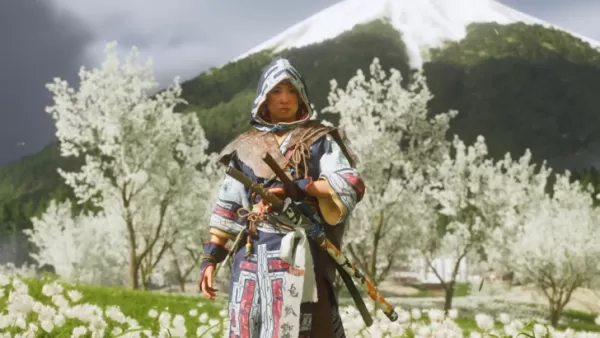
Aunque presenta más contenido y actividades, Yōtei mantiene un tiempo de juego similar al de Tsushima. Según datos de HowLongToBeat, la historia principal dura alrededor de 25 horas, extendiéndose a 50 horas con contenido secundario.
Connell enfatizó su enfoque narrativo: "La serie Ghost ofrece elección al jugador mientras mantiene una narrativa sólida. Nuestro desafío es equilibrar la libertad creativa con una estructura narrativa convincente que respete nuestra inspiración en el cine de samuráis".
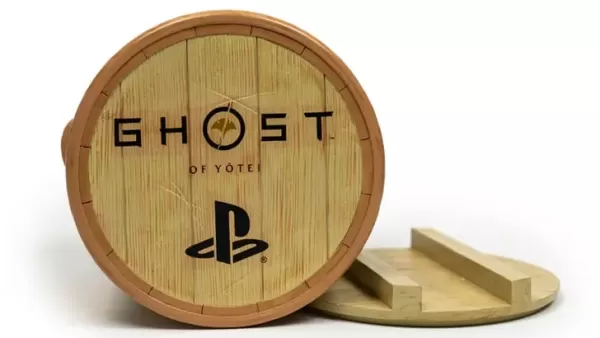
Para promocionar el lanzamiento del juego, Alamo Drafthouse Cinema lanzó una serie de películas "El Camino del Samurái" con filmes clásicos de samuráis que inspiraron la franquicia, incluyendo "Lady Snowblood" y "13 Asesinos".
Su cubo de palomitas de edición limitada de Ghost of Yōtei, diseñado como una cesta de arroz japonesa, se agotó inmediatamente. Con un precio de $40, el cine no ha anunciado planes de reabastecimiento.
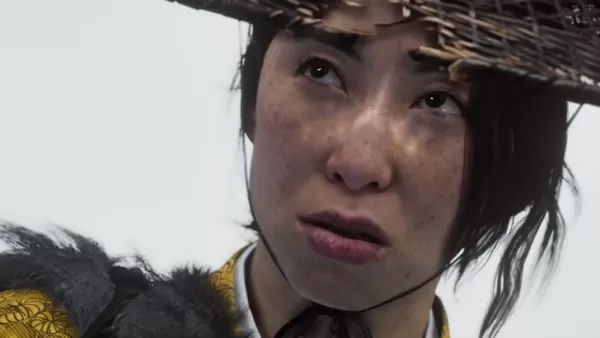
A medida que continúa el desarrollo, Sucker Punch mantiene su compromiso de ofrecer una experiencia samurái auténtica que muestre la riqueza cultural de Ezo a través del viaje de Atsu.
Ghost de Yōtei se lanzará el 2 de octubre de 2025 como exclusiva de PlayStation 5. Mantente atento a más actualizaciones sobre este título muy esperado.
Girls Frontline 2: Exilium Global Website ¡está disponible, junto con sus redes sociales!
Rivales de Marvel: Comprender los autobuses y atraparlo
Nuevo juego más en Assassin's Creed Shadows: ¿Confirmado?
Las principales habilidades para priorizar para Yasuke en Assassin's Creed Shadows
Assassin's Creed Shadows Movimientos revisados por dos atletas de Parkour
Fecha de lanzamiento de Death Stranding 2 presentado en un remolque masivo
Pokemon Go Leak se burla de los nuevos efectos de aventura
Amazon Music Unlimited: Prueba gratuita de 3 meses disponible

Charades and other party games - Lexis Pexis
Descargar
Brain Boom - Tricky Puzzles game, IQ Challenge
Descargar
Rezident slot safes
Descargar
Poker Mania
Descargar
EA Sports FC Mobile 25 (FIFA Fútbol)
Descargar
MainCraft: build & mine blocks
Descargar
Red Cherry Slot Machine
Descargar
Hex Kingdom
Descargar
Starlight Princess Slot Demo
Descargar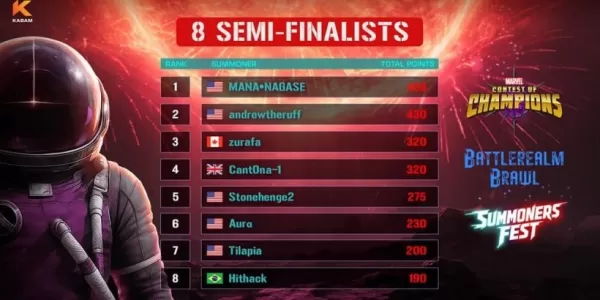
Se revelan los semifinalistas del Marvel Contest para el Battlerealm Brawl
Apr 25,2026
Grados Infinitos: Pixel Saga - Los Mejores Consejos y Trucos para Acelerar Tu Progreso
Apr 22,2026
Adivinaciones: El Juego de Cartas Define el Destino Apocalíptico
Apr 20,2026
Una Vida Humana: Mejores Construcciones para PVE y PVP
Apr 17,2026
Galaxia Defensa Fortaleza TD: Dominar con Estrategia
Apr 16,2026
 Categoría