by Nova Apr 16,2025
La adaptación cinematográfica de 1980 de Stanley Kubrick de "The Shining" es reconocida por su escalofriante foto final: una fotografía de la pelota del 421 de julio del Hotel Overlook, con Jack Torrance (Jack Nicholson) que se exhibió prominentemente a pesar de no haber nacido en ese momento. Esta imagen icónica se creó superponiendo a Nicholson en una fotografía original, que había seguido siendo difícil de alcanzar hasta hace poco. Después de 45 años desde el lanzamiento de la película, finalmente se ha descubierto la fotografía original del 421 del 4 de julio.
Alasdair Spark, un académico retirado de la Universidad de Winchester, detalló el viaje para encontrar la imagen en Getty's Instagram. Compartió que el hombre de la fotografía, previamente identificado por el software de reconocimiento facial como Santos Casani, un bailarín de salón de baile de Londres, era parte de una foto tomada por la agencia de prensa tópica en una pelota de San Valentín el 14 de febrero de 1921, en las salas Emperatriz en el Royal Palace Hotel, Kensington. La publicación de Spark también presentó un nuevo escaneo de los documentos originales de vidrio negativo y compatible con la mano.
La búsqueda de la imagen fue un esfuerzo de colaboración que involucró a Spark, el empleado del New York Times, Arick Toller y numerosos Redditors entusiastas. Spark describió el proceso como una "persecución de ganso salvaje", señalando la dificultad para encontrar la imagen correcta entre numerosas referencias cruzadas y fuentes potenciales. En un momento, temían que la fotografía se perdiera en la historia.
Spark reveló que el fotógrafo en el set Murray Close, quien capturó la imagen de Nicholson utilizada en la película, mencionó que la imagen original vino de la Biblioteca BBC Hulton. Sabiendo que Hulton había adquirido Topical Press en 1958 y que Getty se hizo cargo en 1991, Spark decidió buscar en la vasta colección de imágenes de Getty. Esta búsqueda condujo al descubrimiento de que la imagen tenía licencia para Hawk Films, la compañía de producción de Kubrick, el 10 de octubre de 1978, para su uso en "The Shining".
Spark concluyó corrigiendo la fecha de la fotografía, confirmando la afirmación de Kubrick de que fue de 1921, no en 1923 como lo sugirió anteriormente Joan Smith. Señaló que la foto describía a los londinenses comunes en un evento social, desacreditando varias teorías sobre la presencia de celebridades, banqueros o incluso fieles de diablo. La única alteración fue la adición de Jack Nicholson.
Este descubrimiento seguramente deleitará a los fanáticos de "The Shining". La novela de Stephen King, lanzada en 1977, se ha adaptado a dos versiones notables: la icónica película de Kubrick y la miniserie de Mick Garris en 1997, que se mantuvo más cerca del libro.
Girls Frontline 2: Exilium Global Website ¡está disponible, junto con sus redes sociales!
Rivales de Marvel: Comprender los autobuses y atraparlo
Nuevo juego más en Assassin's Creed Shadows: ¿Confirmado?
Las principales habilidades para priorizar para Yasuke en Assassin's Creed Shadows
Assassin's Creed Shadows Movimientos revisados por dos atletas de Parkour
Fecha de lanzamiento de Death Stranding 2 presentado en un remolque masivo
Pokemon Go Leak se burla de los nuevos efectos de aventura
Amazon Music Unlimited: Prueba gratuita de 3 meses disponible
GOG presenta modificaciones de un clic y Skyblivion llegará este año
Mar 30,2026
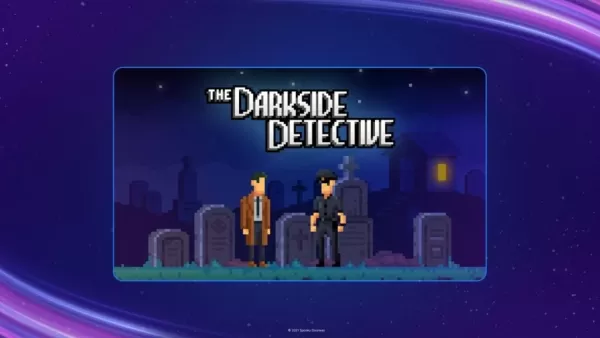
El detective del lado oscuro es el juego móvil gratuito de esta semana en la tienda de Epic Games
Mar 29,2026
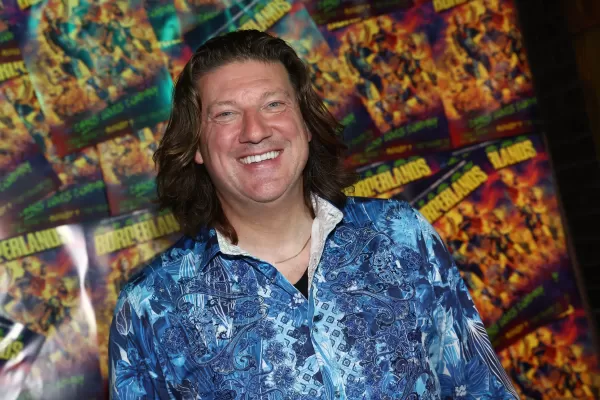
Randy Pitchford Defiende Sus Declaraciones Sobre Borderlands 4
Mar 28,2026
The recent surge of fan art depicting a dragon-like Pokémon resembling Ho-Oh has sparked debate across social media and fan communities, with some fans accusing the artist of plagiarism, while others argue it's a legitimate homage or creative reinterpretation. At the center of the controversy is a piece that features a majestic, fiery bird with vibrant plumage, large wings, and an ethereal glow—visual elements strongly reminiscent of Ho-Oh, the legendary Pokémon from the Pokémon franchise known for its radiant red and gold feathers, phoenix-like design, and association with fire and rebirth. Critics point out that the artwork shares too many distinctive features with official Ho-Oh designs—especially the wing patterns, eye shape, and overall silhouette—to be considered anything but a direct copy. They argue that even though it’s fan art, using such a close imitation of a copyrighted character could cross the line into plagiarism, particularly if it's being shared for attention, profit, or to pass off as original. On the other hand, defenders of the artwork emphasize that fan art often draws inspiration from beloved characters and that artistic influence is a natural part of creative expression. They note that the piece includes unique elements—such as different color gradients, a more surreal background, and a stylized pose—that set it apart from official depictions. Some argue that the artist is paying tribute to Ho-Oh’s iconic status, not attempting to deceive. Legal experts clarify that while fan art is generally tolerated under fair use in non-commercial contexts, the line blurs when the work is nearly indistinguishable from the original and used to generate attention or revenue. However, in most cases, copyright holders like Nintendo and The Pokémon Company have historically focused on commercial infringement rather than artistic homage. Ultimately, whether this artwork constitutes plagiarism depends on intent and execution. While it clearly channels Ho-Oh’s essence, the presence of personal stylistic choices may indicate artistic interpretation rather than copying. The broader takeaway? Fan art can be a powerful form of celebration—but creators should consider how close their work comes to the original, especially when iconic characters are involved. Respecting the source while adding personal flair often strikes the best balance between homage and originality.
Mar 26,2026
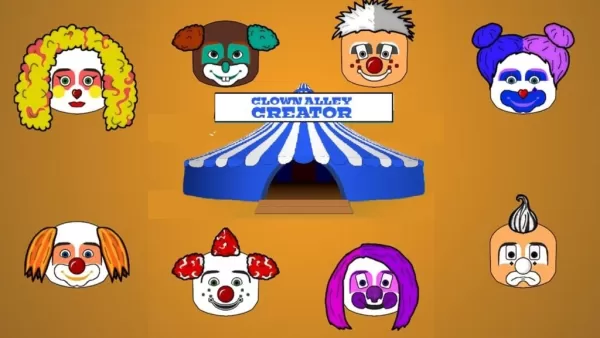
Creador de Clown Alley lanza su plataforma: crea tu personaje
Mar 26,2026
 Categoría