by Owen Feb 12,2025
Nintendo's aggressive stance against emulation is well-documented. Recent examples include the $2.4 million settlement with Yuzu emulator developers in March 2024, the October 2024 cessation of Ryujinx development following Nintendo's intervention, and the 2023 advice given to Dolphin developers regarding a Steam release due to Nintendo's legal pressure. The infamous 2023 case against Gary Bowser, who resold devices circumventing Nintendo Switch anti-piracy measures, resulted in a $14.5 million debt.
A Nintendo patent attorney, Koji Nishiura, recently shed light on the company's strategy at Tokyo eSports Festa 2025. While emulators aren't inherently illegal, Nishiura clarified that their use can become illegal under specific circumstances. Copying game programs or disabling console security measures constitutes copyright infringement, primarily under Japan's Unfair Competition Prevention Act (UCPA). This act's limited jurisdiction makes international legal action more challenging for Nintendo.
The presentation used the Nintendo DS "R4" card as a case study. This device allowed users to bypass security and run pirated games. Following a joint legal challenge by Nintendo and 50 other software manufacturers, the R4 was effectively outlawed in Japan in 2009 due to UCPA violations.
Nishiura also highlighted the illegality of tools facilitating pirated software downloads within emulators. These "reach apps," exemplified by the 3DS's "Freeshop" and the Switch's "Tinfoil," can also violate copyright laws.
Nintendo's lawsuit against Yuzu cited one million pirated copies of The Legend of Zelda: Tears of the Kingdom, alleging that Yuzu's Patreon generated $30,000 monthly through premium features, including early access to games like Tears of the Kingdom.
Girls Frontline 2: Exilium Global Website Goes Live, Along With Its Socials!
Marvel Rivals: Understanding Bussing and Catching It
New Game Plus in Assassin's Creed Shadows: Confirmed?
Top Skills to Prioritize for Yasuke in Assassin’s Creed Shadows
Assassin’s Creed Shadows Movements Reviewed by Two Parkour Athletes
Death Stranding 2 Release Date Unveiled in Massive Trailer
Pokemon GO Leak Teases New Adventure Effects
Amazon Music Unlimited: Free 3-Month Trial Available

Unison League teams up with Hatsune Miku and top Vocaloid idols
May 02,2026

Shelby American Teams With PUBG Mobile
May 02,2026
Capcom Teases Resident Evil 9 Celebrating RE4 Sales
Apr 30,2026
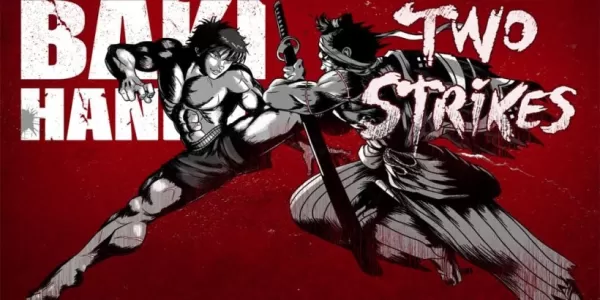
Baki the Grappler Joins Two Strikes on Crunchyroll Game Vault
Apr 30,2026
Gaming Monitors Impress at Computex 2025
Apr 29,2026
 Category