by Finn Mar 12,2025
Civilization's leaders are as iconic as the civilizations themselves. Firaxis's approach to choosing national representatives has evolved significantly over the years. Let's explore Civilization VII's roster and how it redefines leadership throughout the series' history.
← Return to Sid Meier's Civilization VII main article
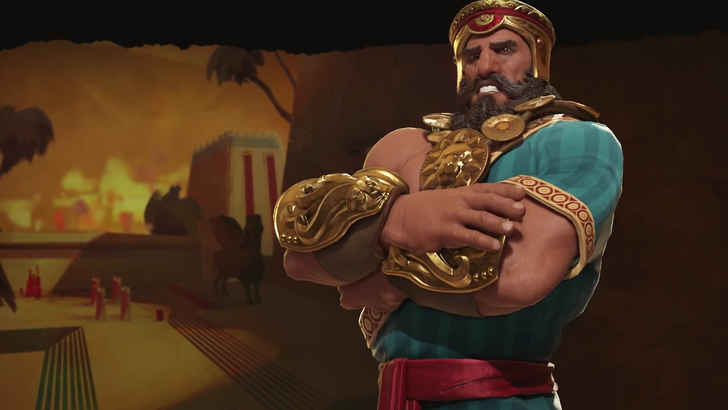
Civilization leaders have always been central to the series' identity, shaping gameplay since the first game. Each leader embodies their civilization, becoming as crucial as the civilization itself. While their role remains constant, the representation of leaders has evolved with each installment, refining the concept of leadership and its impact on gameplay.
This exploration delves into Civilization's history, examining the evolution of its leader roster, the changes in each iteration, and how Civilization VII uniquely redefines leadership.
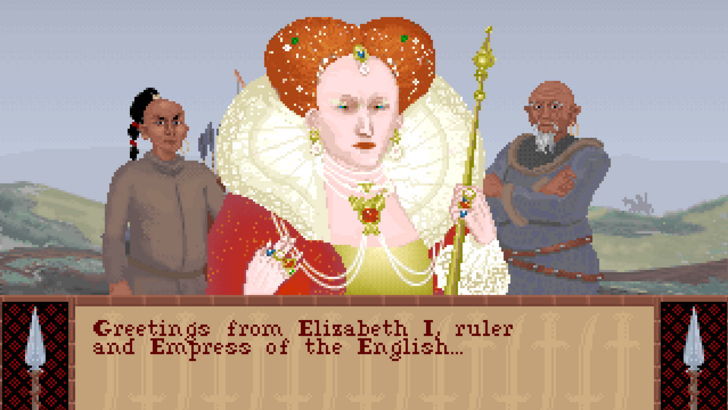
The original Civilization featured a relatively simple roster compared to later games. Most were established global superpowers from history and antiquity, with predictable figureheads—a few exceptions aside.
With limited scope and technology, the game included only 15 civilizations, such as America, Rome, Greece, Japan, China, France, Egypt, and Russia. Leadership was straightforward: leaders were historical heads of state. The selection prioritized widely recognized figures.
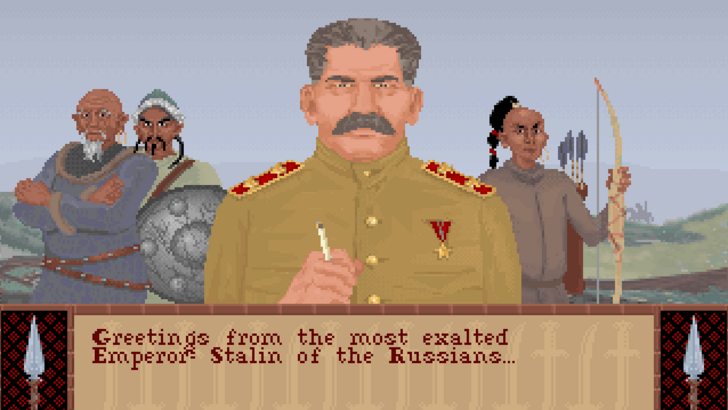
This resulted in leaders like Abraham Lincoln, Tokugawa Ieyasu, Mahatma Gandhi, and Julius Caesar, alongside more controversial figures like Mao Zedong and Joseph Stalin. Elizabeth I was the sole female leader. This approach, while simple, reflected the era of the game's release. However, subsequent iterations introduced significant changes.
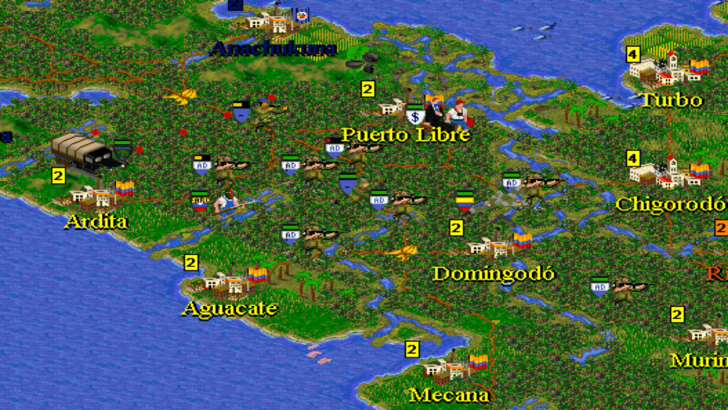
Civilization II expanded the leader roster and included civilizations beyond the major superpowers, introducing lesser-known powers like the Sioux. Significantly, it introduced a separate female leader roster, providing alternative choices for each civilization.
The definition of "leader" broadened. Figures crucial to their civilization's identity, even if not heads of state, took center stage. Examples include Sacagawea (Sioux) and Amaterasu (Japan).
Civilization III integrated female leaders into the main roster, featuring six in total. Some replaced historically dominant male counterparts (e.g., Joan of Arc replacing Napoleon).
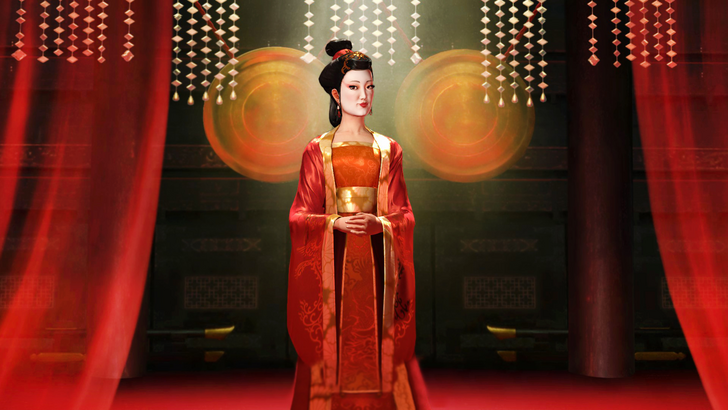
Civilization IV and V significantly expanded the roster and the definition of leadership. Leaders were no longer solely heads of state; revolutionaries, generals, and reformers became common. Major civilizations had multiple leaders, reflecting a broader representation of history. Examples include Wu Zetian (China) and both Victoria I and Elizabeth I (England). The focus shifted from solely powerful figures to a wider representation of humanity.
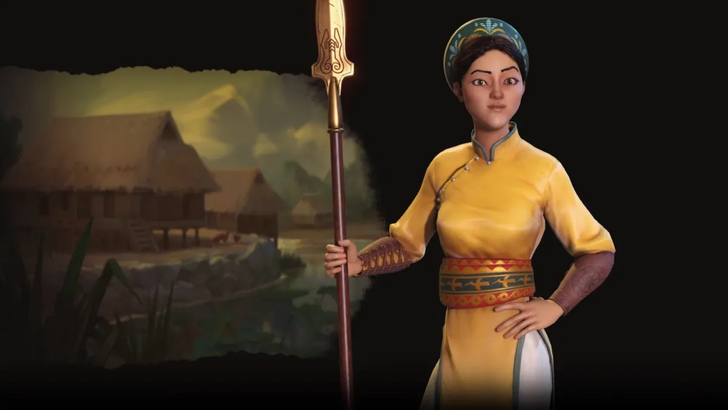
Civilization VI emphasized characterization, diversity, and creativity, presenting leaders as stylized animated figures. Leader Personas—alternative versions emphasizing different aspects of a leader's personality—were introduced, offering diverse playstyles. Lesser-known figures from less prominent civilizations were included.
Lautaro (Mapuche), Bà Triệu (Vietnam), and Queen Gorgo (Sparta) are prime examples of this broadened scope. The game moved beyond simply representing historical legacies to portraying specific chapters in leaders' lives. This was exemplified by Eleanor of Aquitaine (France/England) and Kublai Khan (Mongols/China). Multiple leader options for civilizations like America and China further expanded the possibilities. Leader Personas added further diversity for figures like Catherine de Medici and Theodore Roosevelt.
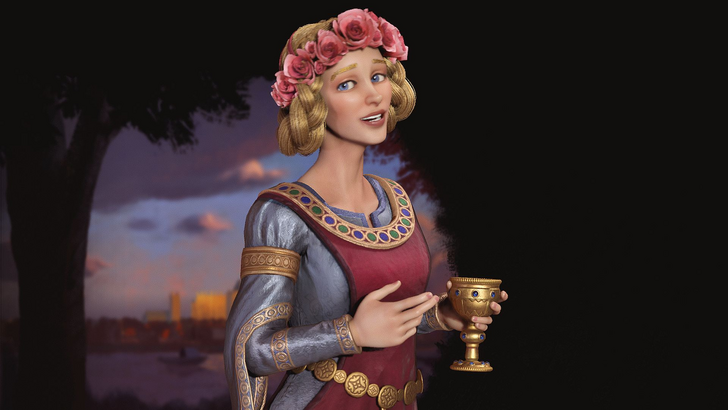
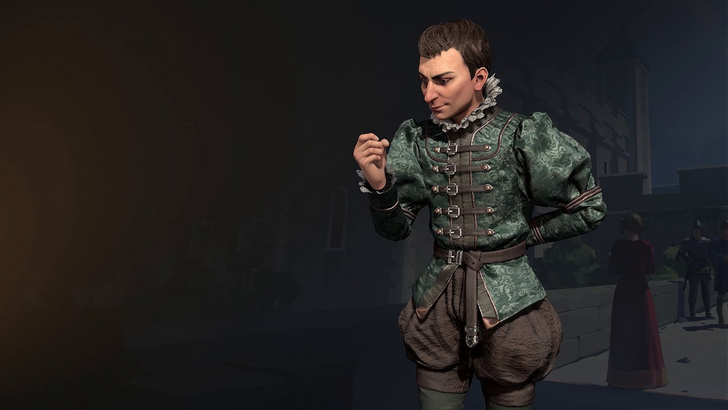
Civilization VII builds on previous innovations, showcasing the most diverse and creative roster yet. It features unconventional leaders, multiple personas, and carefully curated choices for diverse playstyles.
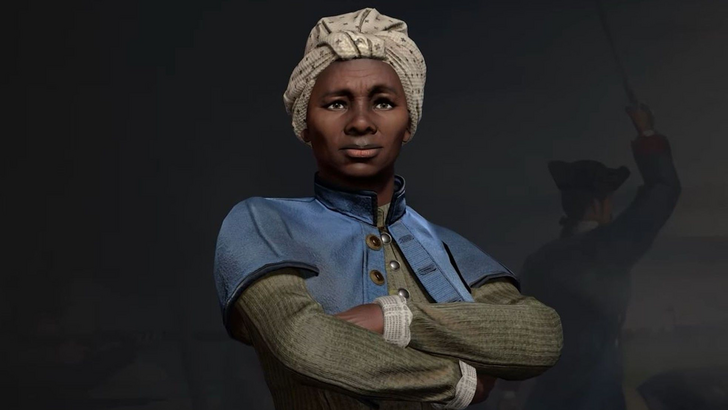
The mix-and-match approach to civilizations and leaders is key. Even lesser-known figures take center stage. Harriet Tubman's inclusion as an American abolitionist leader, filling the spymaster role, is a notable example.

Niccolò Machiavelli, despite not being a head of state, embodies diplomatic self-interest. José Rizal's inclusion as a Philippine leader focused on diplomacy and narrative events represents a significant advancement.
Over nearly 30 years, Civilization has evolved from focusing on superpowers to a diverse collection of influential figures, telling a broader story of humanity. The definition of leadership has changed, but its significance remains paramount. Future iterations may include even more contemporary leaders. For now, Civilization VII's roster stands as a testament to this evolution.
← Return to Sid Meier's Civilization VII main article

Girls Frontline 2: Exilium Global Website Goes Live, Along With Its Socials!
Marvel Rivals: Understanding Bussing and Catching It
New Game Plus in Assassin's Creed Shadows: Confirmed?
Top Skills to Prioritize for Yasuke in Assassin’s Creed Shadows
Assassin’s Creed Shadows Movements Reviewed by Two Parkour Athletes
Death Stranding 2 Release Date Unveiled in Massive Trailer
Pokemon GO Leak Teases New Adventure Effects
Amazon Music Unlimited: Free 3-Month Trial Available

Poker Mania
Download
EA Sports FC Mobile 25 (FIFA Fútbol)
Download
MainCraft: build & mine blocks
Download
Red Cherry Slot Machine
Download
Hex Kingdom
Download
Starlight Princess Slot Demo
Download
Drop Ball 3D
Download
Cooking Madness: A Chef's Game
Download
Pet Blast:Match 3 Puzzle Games
Download
Endless Grades: Pixel Saga – The Best Tips & Tricks To Boost Your Progression
Apr 22,2026
Foretales: Card Game Shapes Apocalyptic Fate
Apr 20,2026

Once Human: Best Builds for PvE and PvP
Apr 17,2026

Galaxy Defense Fortress TD: Dominate with Strategy
Apr 16,2026
Bandai Namco Remasters Another Tales Game, Likely Xillia
Apr 14,2026
 Category