by Riley May 01,2025
The narrative of Monster Hunter has often been overlooked due to its seemingly straightforward gameplay, but a closer examination reveals a rich tapestry of themes and stories. Let's dive deep into what the Monster Hunter series is truly about and explore its evolution of narratives.
← Return to Monster Hunter Wilds' main article
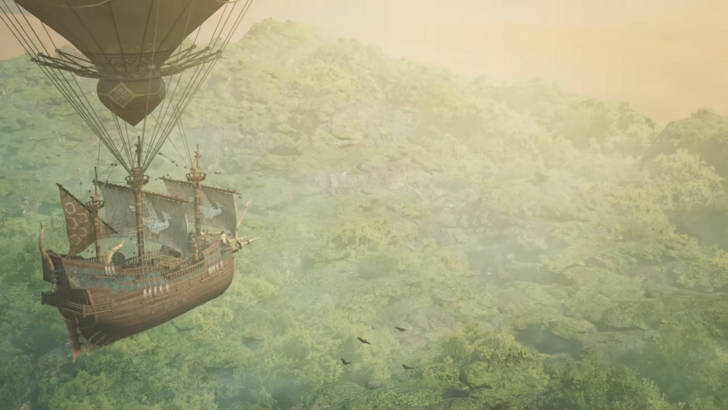
While the Monster Hunter series is primarily mission-based and not traditionally narrative-focused, dismissing its story entirely would be a mistake. The game's design revolves around players taking on quests, which might make the narrative seem secondary. However, beneath the surface, there are compelling themes and stories that merit a closer look.
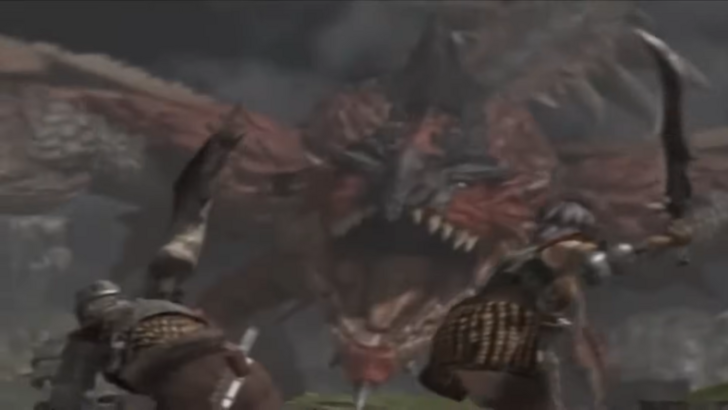
Each Monster Hunter game typically begins with you as a novice Hunter, taking on quests from village leaders and gradually rising through the ranks to confront increasingly powerful monsters. This progression culminates in battling the game's final boss, such as Fatalis in the first Monster Hunter. This cycle remains consistent across the series, even as newer entries like World, Rise, and their expansions introduce more structured narratives.

The series often explores the Hunter's role in maintaining ecological balance. For example, in Monster Hunter 4 (MH4), the Gore Magala's Frenzy Virus threatens the ecosystem, requiring the Hunter to intervene. This virus, spread through the monster's dander-like scales, heightens aggression in affected beings. The narrative portrays the Gore Magala as a villainous force, necessitating its defeat to restore balance.
In Monster Hunter: World and its Iceborne expansion, the narrative evolves to reflect a deeper understanding of nature's balance. The endings suggest that while humans have a role in restoring balance, they must also recognize nature's inherent ability to self-regulate. Nergigante's role as a natural force of balance, particularly in the Iceborne ending, underscores this theme. The base game's conclusion positions the Hunter as the "Sapphire Star," a guiding light linked to the in-game creation myth, symbolizing humanity's role as nature's guardians. Yet, the somber tone of Iceborne's ending reminds players that nature often finds its own path to survival, challenging human intervention.
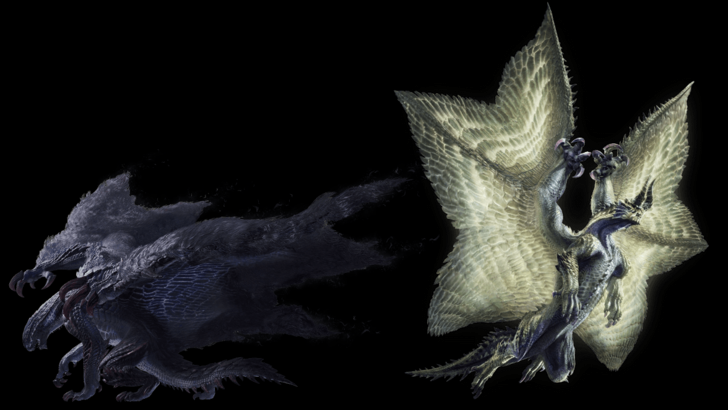
The narrative also delves into how monsters mirror the Hunters. In MH4, defeating the Gore Magala only leads to its evolution into the Shagaru Magala, reflecting the Hunter's own journey of upgrading and returning stronger. This suggests a mutual evolution between Hunter and monster.
The Ahtal-Ka from Monster Hunter Generations Ultimate exemplifies this theme brilliantly. Initially appearing less threatening, it transforms into a formidable opponent by piloting a mechanical creation, the Ahtal-Neset, made from battlefield scraps. This not only showcases its adaptability but also mirrors the Hunter's use of technology and ingenuity in combat. The Ahtal-Ka's use of weapons like Dragonators and its final battle with a giant wheel further highlights this reflection of human tactics.

At its core, Monster Hunter is about the player's journey of growth and mastery over challenges. Similar to the Souls series, the enjoyment stems from overcoming seemingly insurmountable obstacles. The introduction of the Tigrex in Monster Hunter Freedom 2 exemplifies this: starting with a scene where the Hunter is overpowered, it sets the stage for a personal quest of revenge and improvement.
As you progress, returning to the Snowy Mountains to face the Tigrex again, the game transforms your initial defeat into a narrative of empowerment and triumph. This theme of overcoming adversity and finding personal rivals is a staple of the series, as seen in battles against monsters like the Gore Magala or the Yian Garuga.
The newer games, including Monster Hunter Wilds, are shifting towards more structured narratives, yet the essence of the player's personal journey remains central. While the stories may not be the most compelling in traditional terms, they create memorable experiences that resonate with players.
In conclusion, the Monster Hunter series weaves a complex narrative tapestry that explores themes of ecological balance, mutual evolution, and personal growth. It's not just about hunting monsters; it's about the stories and experiences that emerge from these encounters, making each player's journey uniquely engaging.
Girls Frontline 2: Exilium Global Website Goes Live, Along With Its Socials!
Marvel Rivals: Understanding Bussing and Catching It
New Game Plus in Assassin's Creed Shadows: Confirmed?
Top Skills to Prioritize for Yasuke in Assassin’s Creed Shadows
Assassin’s Creed Shadows Movements Reviewed by Two Parkour Athletes
Death Stranding 2 Release Date Unveiled in Massive Trailer
Pokemon GO Leak Teases New Adventure Effects
Amazon Music Unlimited: Free 3-Month Trial Available
Pokémon Players Now Think Another Card 'Looks Very Similar' to Fan Art, but Others Aren't Convinced This Is a Ho-Oh Plagiarism Situation
Mar 26,2026

Clown Alley Creator Launches, Craft Your Character
Mar 26,2026
Nintendo Today App Debuts as Fan Content Hub
Mar 24,2026
Death Stranding 2: On the Beach Reveals New Trailer
Mar 17,2026
Cyberpunk 2077 Update 2.3 Delayed to Expand Its Scope
Mar 16,2026
 Category