 Catégorie
 by Christopher Mar 12,2026
The Elder Scrolls IV: Oblivion Remastered – A Modern Masterpiece, or Just a Remaster?
Bruce Nesmith, the visionary senior game designer behind the original The Elder Scrolls IV: Oblivion (2006), has spoken out — and his words are nothing short of glowing. In a recent interview with VideoGamer, Nesmith didn’t just praise the newly released Oblivion Remastered — he challenged the very term “remaster” itself.
"I assumed this would just be a texture update," Nesmith admitted. "I didn't expect it to be the complete overhaul they've announced... A simple update wouldn't have surprised me. But to redo all the animations, the animation system, implement the Unreal Engine, change the leveling system, and revamp the user interface—that's touching every single aspect of the game."
His astonishment isn’t just personal — it's shared by a global community of longtime fans and new players alike. The surprise launch of Oblivion Remastered across PC, PlayStation 5, and Xbox Series X|S has stunned the gaming world, not just because of its polished visuals, but because of the sheer depth of reimagining.
Nesmith went on to say:
"The closest comparison would be Oblivion 2.0."
That’s not hyperbole — it’s a recognition that what Bethesda and Virtuos have delivered is far beyond a simple visual upgrade. It’s a full rework of systems, mechanics, and design philosophy, all while preserving the soul of the original.
The changes are massive:
This isn’t just a “remaster.” It’s a rebirth.
Despite the transformative nature of the project, Bethesda has been clear: this was never intended to be a remake. In a statement on social media, the studio emphasized their goal:
"We never intended to remake Oblivion. Our goal was to preserve the beloved original experience — flaws and all — while modernizing it for new players."
They stress that the emotional core — the journey from the Imperial Sewers to the heart of Cyrodiil, the sense of wonder, the freedom of exploration — remains untouched. And for long-time fans, that’s exactly what they wanted.
"We know many of our long-time fans will be excited to return to Oblivion and Cyrodiil... But there are also countless players who have never experienced it. We are deeply grateful for your support over the years. With this remaster, we hope that everyone — whether a veteran or a newcomer — feels the wonder of stepping out of the Imperial sewer for the very first time."
Given the scale of work, Nesmith may be onto something: maybe the gaming world needs a new label.
Whatever we call it, Oblivion Remastered is more than a nostalgic trip. It’s a testament to how far the RPG genre has come — and how powerful a classic can still be when given the care, respect, and technological tools of today.
The community is already buzzing about what should come next. With Oblivion Remastered redefining what a "remaster" can be, the question now is:
👉 Which other Bethesda RPG deserves the same loving, full-spectrum overhaul?
Vote now — and let’s help decide the next legacy to be reborn.
🎮 Ready to explore the reborn Cyrodiil?
👉 Get the complete guide to Oblivion Remastered, featuring:
Available now on PC, PS5, Xbox Series X|S — and Xbox Game Pass Ultimate members can play for free.
The journey begins again. The world is reborn. Welcome back to Oblivion.
Girls Frontline 2 : Exilium Global Website est mis en ligne, avec ses réseaux sociaux !
Marvel Rivals: comprendre les bus et l'attraper
New Game Plus dans Assassin's Creed Shadows: confirmé?
Les meilleures compétences à prioriser pour Yasuke dans Assassin's Creed Shadows
Assassin's Creed Shadows Mouvements examinés par deux athlètes de parkour
Death Stranding 2 Date de sortie dévoilée dans une bande-annonce massive
Pokemon go fuite taquine de nouveaux effets d'aventure
Amazon Music Unlimited: essai gratuit de 3 mois disponible

Le making-of de Monument Valley 3 : un nouveau documentaire révèle les coulisses du jeu
Mar 10,2026
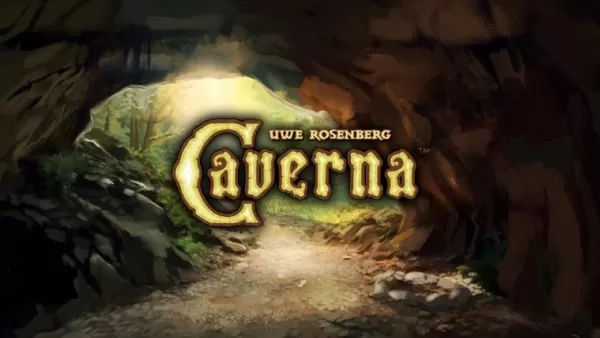
Caverna: Cave Farmers has officially launched on Android! The highly anticipated strategy game, originally developed by Martin Wallace and published by Days of Wonder, is now available on mobile devices, bringing its rich gameplay and immersive cave-dwelling theme to players on the go. In Caverna: Cave Farmers, players take on the role of early human settlers, building and managing their own underground villages. The game combines deep strategy, resource management, and worker placement mechanics, challenging players to balance food production, construction, and the needs of their growing community—all while navigating the mysteries of the dark, labyrinthine caves. Key features of the Android version include: Full adaptation of the acclaimed board game experience Intuitive touchscreen controls tailored for mobile Beautifully designed visuals and atmospheric soundscapes Multiple game modes, including solo and multiplayer (via online play) Support for both asynchronous and real-time multiplayer Whether you're a long-time fan of the board game or new to the world of Caverna, this mobile release offers a compelling and strategic experience perfect for casual and hardcore gamers alike. Download Caverna: Cave Farmers now on the Google Play Store and begin your journey into the depths of the earth! Note: The game may require a one-time purchase or offer in-app options for additional content.
Mar 10,2026

It seems you're referencing a video game announcement, possibly involving a new title, release date, or gameplay reveal. However, your message is incomplete—could you please clarify? For example: Are you referring to a specific game (e.g., The Legend of Zelda: Echoes of the Past, Final Fantasy VII Rebirth, Hades II)? Did a trailer or announcement drop recently? Are you asking for details about the gameplay, release date, or platform? Let me know so I can help you with accurate information!
Mar 09,2026
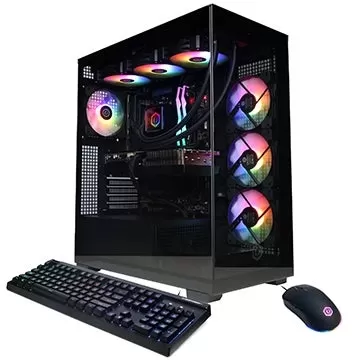
PC gamer CyberPowerPC AMD 9800X3D et RTX 5070 Ti à 1 899 $
Mar 08,2026
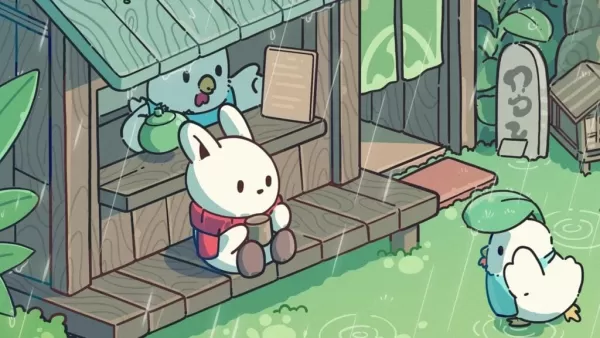
Tsuki Tea House: Cozy Café Sim has officially launched, inviting players into a heartwarming world of tea, tranquility, and gentle daily life. Developed by indie studio Moonlit Games, the game blends soothing gameplay with rich atmosphere, offering a calming escape from the hustle and bustle of everyday life. Set in a serene rural village nestled between misty hills and blooming cherry blossoms, Tsuki Tea House lets players take on the role of a new tea house owner. From selecting the perfect blend of loose-leaf teas to arranging cozy seating, every decision shapes the charm of your growing establishment. As you serve regulars—each with their own gentle stories and quirks—you’ll build friendships, uncover hidden village lore, and even learn traditional tea ceremonies passed down through generations. Key Features: Relaxing Gameplay: Focus on crafting, decorating, and caring for your guests in a peaceful rhythm. Hand-Drawn Aesthetic: Beautiful art style inspired by Japanese countryside aesthetics and seasonal changes. Dynamic Characters: 12+ unique villagers with evolving relationships and heartfelt backstories. Customization: Design your tea house with over 200 decor items, seasonal decorations, and signature tea recipes. Seasonal Events: Celebrate cherry blossom festivals, autumn harvests, and quiet winter snowfalls with themed activities. No Pressure Mode: Optional "easy mode" for players who want to simply wander, sip tea, and enjoy the moment. With its gentle soundtrack composed by ambient artist Aiko Sora, Tsuki Tea House has been praised for its emotional depth and mindfulness. It’s not just a game—it’s a digital sanctuary. Available now on PC (Steam, itch.io) and Nintendo Switch, with mobile (iOS/Android) coming in early 2025. Whether you’re a seasoned cozy game fan or just need a moment of peace, Tsuki Tea House: Cozy Café Sim is now open for tea. 🍵✨ “In the quiet moments between sips, the world feels just right.”
Mar 07,2026