by Joseph Feb 10,2025
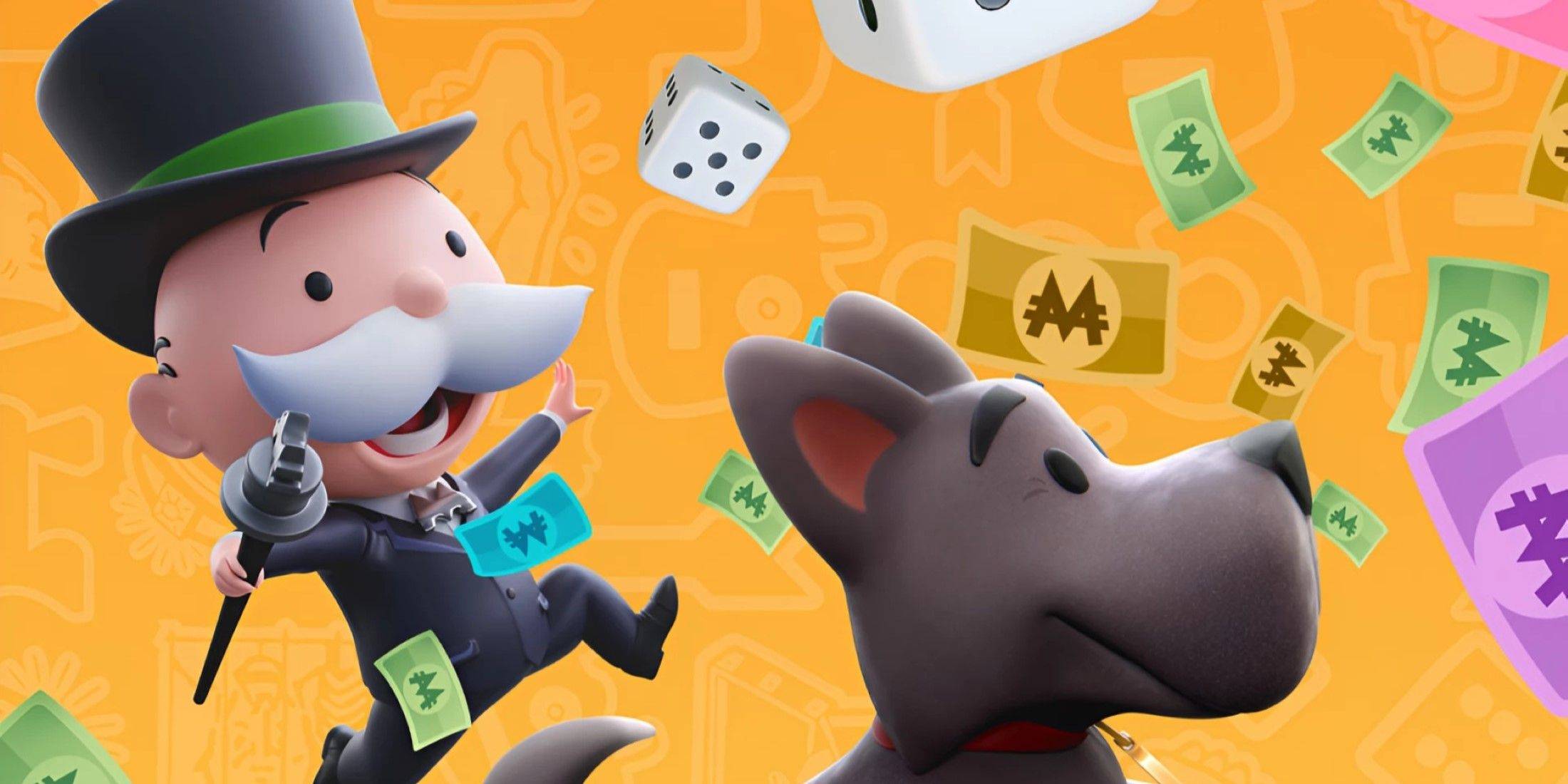
A recent incident highlights the financial risks associated with in-app purchases in mobile games. A 17-year-old reportedly spent a staggering $25,000 on Monopoly GO microtransactions, underscoring the potential for significant, unintentional spending. While the game is free-to-play, its reward system heavily incentivizes these purchases to accelerate progress.
This isn't an isolated case. Numerous players have reported substantial in-game spending, with one user admitting to spending $1,000 before deleting the app. The $25,000 expenditure, detailed in a since-removed Reddit post, involved 368 separate transactions via the App Store. Unfortunately, the game's terms of service likely hold the user responsible, making a refund unlikely. This mirrors the practices of many freemium games, such as Pokemon TCG Pocket, which generated $208 million in its first month through similar microtransaction models.
The Controversy Surrounding In-Game Microtransactions
The Monopoly GO incident adds to the ongoing debate surrounding in-game microtransactions. The practice has faced considerable criticism, exemplified by lawsuits against companies like Take-Two Interactive over their NBA 2K microtransaction systems. While legal action in this specific case is improbable, it underscores the widespread frustration with these models.
The profitability of microtransactions is undeniable, as evidenced by Diablo 4's over $150 million in microtransaction revenue. The strategy's effectiveness lies in its ability to encourage smaller, repeated purchases rather than larger, single transactions. However, this very characteristic contributes to the perception of deceptive practices, leading players to spend far more than intended.
The Reddit user's predicament serves as a stark reminder of the potential for excessive spending in games like Monopoly GO. It emphasizes the need for caution and awareness regarding in-app purchases and the importance of understanding a game's terms of service.
Girls Frontline 2: Exilium Global Website Goes Live, Along With Its Socials!
Marvel Rivals: Understanding Bussing and Catching It
New Game Plus in Assassin's Creed Shadows: Confirmed?
Top Skills to Prioritize for Yasuke in Assassin’s Creed Shadows
Death Stranding 2 Release Date Unveiled in Massive Trailer
Assassin’s Creed Shadows Movements Reviewed by Two Parkour Athletes
Pokemon GO Leak Teases New Adventure Effects
Amazon Music Unlimited: Free 3-Month Trial Available
 Category