by Victoria Feb 25,2025
Exploring the Evolution of Kirby's Image: From "Angry Kirby" to Global Consistency
This article delves into the fascinating story behind Kirby's varying appearances in Western and Japanese markets, shedding light on Nintendo's localization strategies over the years. Former Nintendo employees offer insights into the decisions behind the iconic character's image transformations.

The "Angry Kirby" Phenomenon: Targeting a Wider Audience

Kirby's portrayal in Western markets often featured a more determined, even "angry," expression on game covers and promotional materials. Former Nintendo Localization Director, Leslie Swan, clarifies that the intention wasn't to depict anger, but rather a stronger sense of resolve. While cute characters resonate broadly in Japan, Swan notes a preference for tougher characters among tween and teen boys in the US. This aligns with comments from Kirby: Triple Deluxe Director, Shinya Kumazaki, who highlights the contrasting appeal of cute versus battle-ready Kirby in different regions.
Marketing Kirby: Beyond the "Kiddie" Label
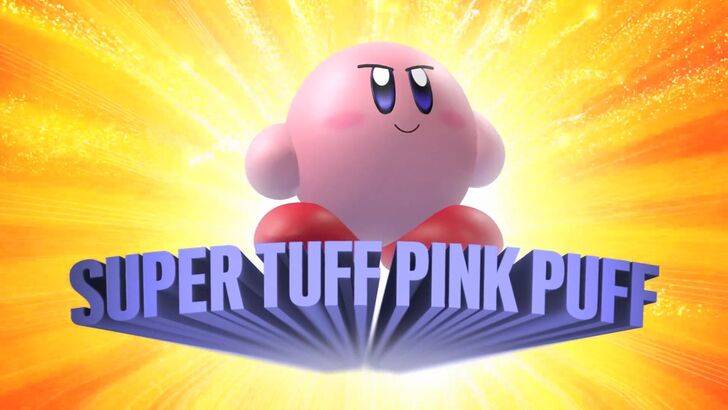
Nintendo's marketing actively sought to broaden Kirby's appeal, particularly among boys. The "Super Tuff Pink Puff" campaign for Kirby Super Star Ultra on the Nintendo DS exemplifies this strategy. Former Nintendo of America Public Relations Manager, Krysta Yang, explains the company's desire to move beyond the "kiddie" image prevalent in its early years, emphasizing the challenges of a game perceived as solely for young children. While recent marketing focuses more on gameplay and abilities, the perception of Kirby as "cute" remains dominant.
Regional Differences in Localization: A Historical Perspective
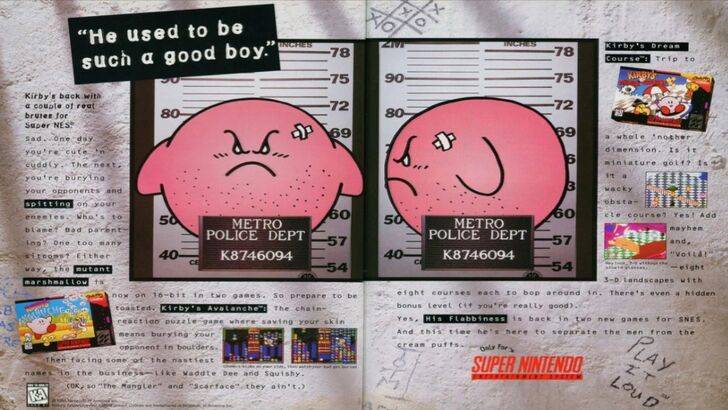
The divergence in Kirby's image between Japan and the US began early. The infamous 1995 "Play It Loud" advertisement, featuring Kirby in a mugshot, set a precedent. Subsequent games like Kirby: Nightmare in Dream Land, Kirby Air Ride, and Kirby: Squeak Squad showcased Kirby with sharper features and more intense expressions. Even the color palette differed; the original Kirby's Dreamland for Game Boy featured a desaturated Kirby in the US release, a decision influenced by the Game Boy's monochrome display and the perceived need for a more "cool" image to appeal to a broader audience.
A Shift Towards Global Consistency
Both Swan and Yang agree that Nintendo has adopted a more globalized approach in recent years. Closer collaboration between Nintendo of America and its Japanese counterpart has resulted in more consistent marketing and localization strategies. The company is moving away from regional variations, aiming for a unified brand image across all territories. While this brings consistency, Yang acknowledges potential drawbacks, suggesting that a focus on global appeal could lead to less distinctive, risk-averse marketing. The changing landscape of globalization and the increased familiarity of Western audiences with Japanese culture are contributing factors to this shift.
Girls Frontline 2: Exilium Global Website Goes Live, Along With Its Socials!
Marvel Rivals: Understanding Bussing and Catching It
New Game Plus in Assassin's Creed Shadows: Confirmed?
Top Skills to Prioritize for Yasuke in Assassin’s Creed Shadows
Assassin’s Creed Shadows Movements Reviewed by Two Parkour Athletes
Death Stranding 2 Release Date Unveiled in Massive Trailer
Pokemon GO Leak Teases New Adventure Effects
Amazon Music Unlimited: Free 3-Month Trial Available

Yatzy Master
Download
Little Robot Mod
Download
Charades and other party games - Lexis Pexis
Download
Brain Boom - Tricky Puzzles game, IQ Challenge
Download
Rezident slot safes
Download
Poker Mania
Download
EA Sports FC Mobile 25 (FIFA Fútbol)
Download
MainCraft: build & mine blocks
Download
Red Cherry Slot Machine
Download
Netflix will soon offer interactive party games you and your friends can play via mobile
Apr 27,2026
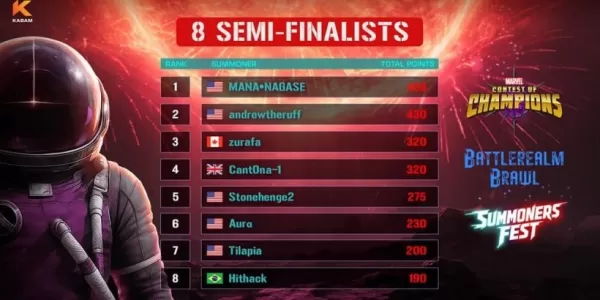
Marvel Contest Semi-Finalists Revealed for Battlerealm Brawl
Apr 25,2026
Endless Grades: Pixel Saga – The Best Tips & Tricks To Boost Your Progression
Apr 22,2026
Foretales: Card Game Shapes Apocalyptic Fate
Apr 20,2026
Once Human: Best Builds for PvE and PvP
Apr 17,2026
 Category