by Amelia May 03,2025
The speedrunning community is buzzing with excitement over a surprising technological phenomenon: it seems that the Super Nintendo Entertainment System (SNES) is running games faster as it ages. This intriguing development came to light in early February when Bluesky user Alan Cecil (@tas.bot) announced that the iconic console, which sold nearly 50 million units, might now be performing better with classics like Super Mario World, Super Metroid, and Star Fox than when it was brand new in the 1990s.
The notion that a video game console could improve its performance over time sounds far-fetched, but Cecil's research points to a specific component that might be responsible for this unique behavior.
In an interview with 404 Media, Cecil explained that the official specs for the SNES's audio processing unit (APU), the SPC700, indicate a digital signal processing (DSP) rate of 32,000Hz, controlled by a ceramic resonator running at 24.576MHz. However, retro console enthusiasts have noted that these numbers vary slightly based on environmental conditions like temperature. This variability means the SNES processes audio and sends it to the CPU at rates different from what Nintendo initially stated, subtly affecting game speed.
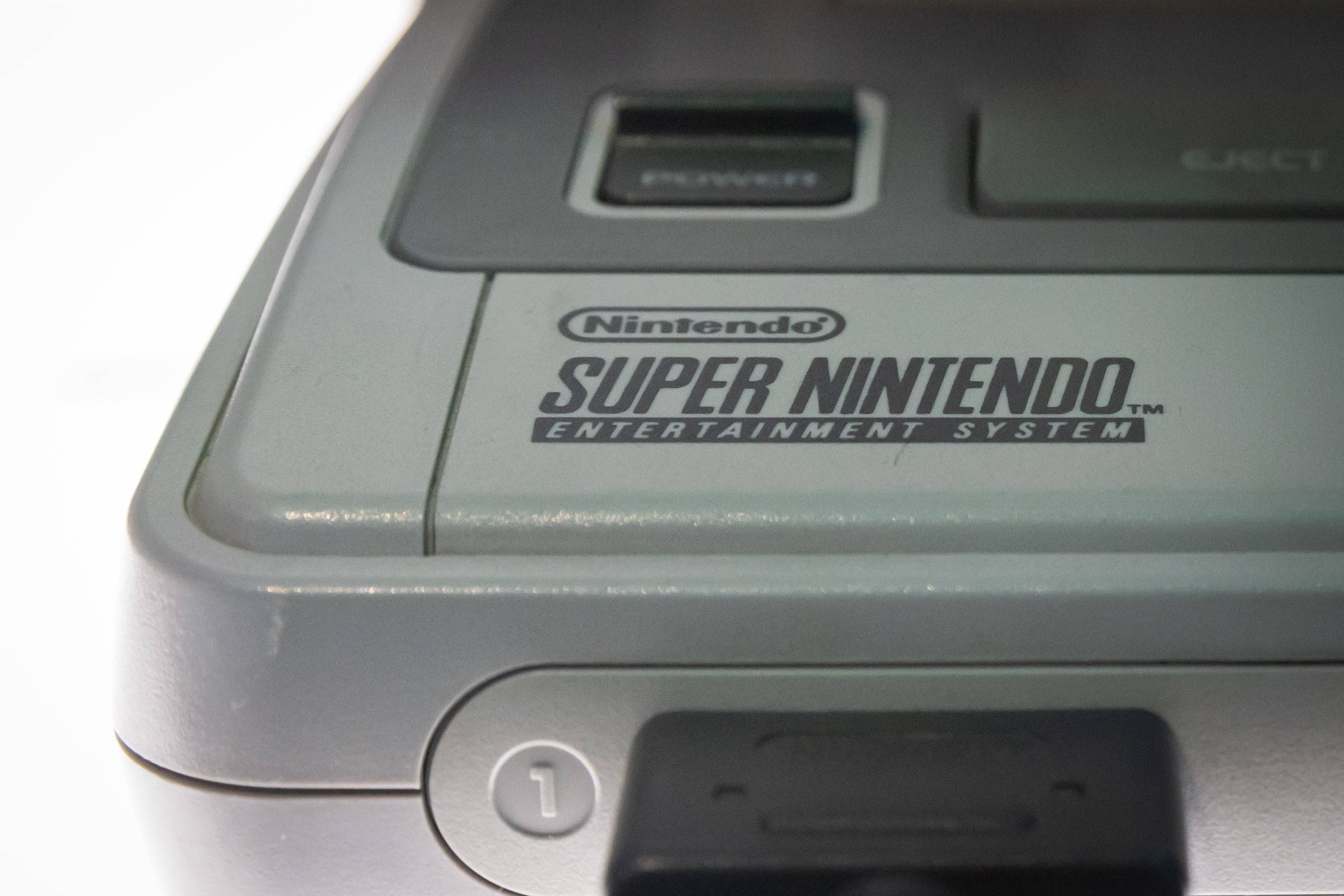
The SNES appears to be getting faster with age. Photo by Aldara Zarraoa/Getty Images.
What's particularly interesting is how these DSP rates have evolved over the last 34 years. After noticing higher-than-expected DSP rates, Cecil asked SNES owners to record data from their consoles. The data from over 140 responses shows a clear trend of increasing DSP rates in recent years. For instance, the average DSP rate recorded in 2007 was 32,040Hz, while Cecil's recent findings show it at 32,076Hz. Although temperature affects these rates, it's not enough to explain the observed increase, suggesting that the SNES is indeed processing audio faster over time.
“Based on 143 responses, the SNES DSP rate averages 32,076Hz, rising 8Hz from cold to warm,” Cecil shared in a Bluesky post that included a layout of the data. “Warm DSP rates go from 31,965 to 32,182Hz, a 217Hz range. Therefore, temperature is less significant. Why? How does it affect games? We do not know. Yet.”
While the findings are fascinating, Cecil emphasizes the need for further research to understand how much faster the SNES is processing game audio and the underlying causes. Historical data from the console's first decade is scarce, but as the SNES approaches its 35th anniversary, it appears to be aging gracefully.
The implications of this phenomenon have sparked interest within the speedrunning community. An SPC700 that processes audio faster could theoretically reduce load times, potentially affecting long-standing leaderboard records. However, the impact on games like Super Mario World isn't straightforward.
It's important to note that changes in APU speeds don't directly translate to visual game speed. Even in the most extreme scenarios suggested by these findings, the difference might only be less than a second in an average speedrun. The extent to which different games might benefit from these changes is still under debate, and longer speedruns may not see significant impacts. The speedrunning community's research is still in its early stages, but the general consensus is that players should not be overly concerned.
As Cecil continues to explore what makes the SNES tick, the console remains a vibrant piece of gaming history, seemingly improving with age. For more on the SNES, you can see where it ranks on the list of best-selling consoles of all time.
Girls Frontline 2: Exilium Global Website Goes Live, Along With Its Socials!
Marvel Rivals: Understanding Bussing and Catching It
New Game Plus in Assassin's Creed Shadows: Confirmed?
Top Skills to Prioritize for Yasuke in Assassin’s Creed Shadows
Assassin’s Creed Shadows Movements Reviewed by Two Parkour Athletes
Death Stranding 2 Release Date Unveiled in Massive Trailer
Pokemon GO Leak Teases New Adventure Effects
Amazon Music Unlimited: Free 3-Month Trial Available
Pokémon Players Now Think Another Card 'Looks Very Similar' to Fan Art, but Others Aren't Convinced This Is a Ho-Oh Plagiarism Situation
Mar 26,2026

Clown Alley Creator Launches, Craft Your Character
Mar 26,2026
Nintendo Today App Debuts as Fan Content Hub
Mar 24,2026
Death Stranding 2: On the Beach Reveals New Trailer
Mar 17,2026
Cyberpunk 2077 Update 2.3 Delayed to Expand Its Scope
Mar 16,2026
 Category