by Sarah Apr 26,2025
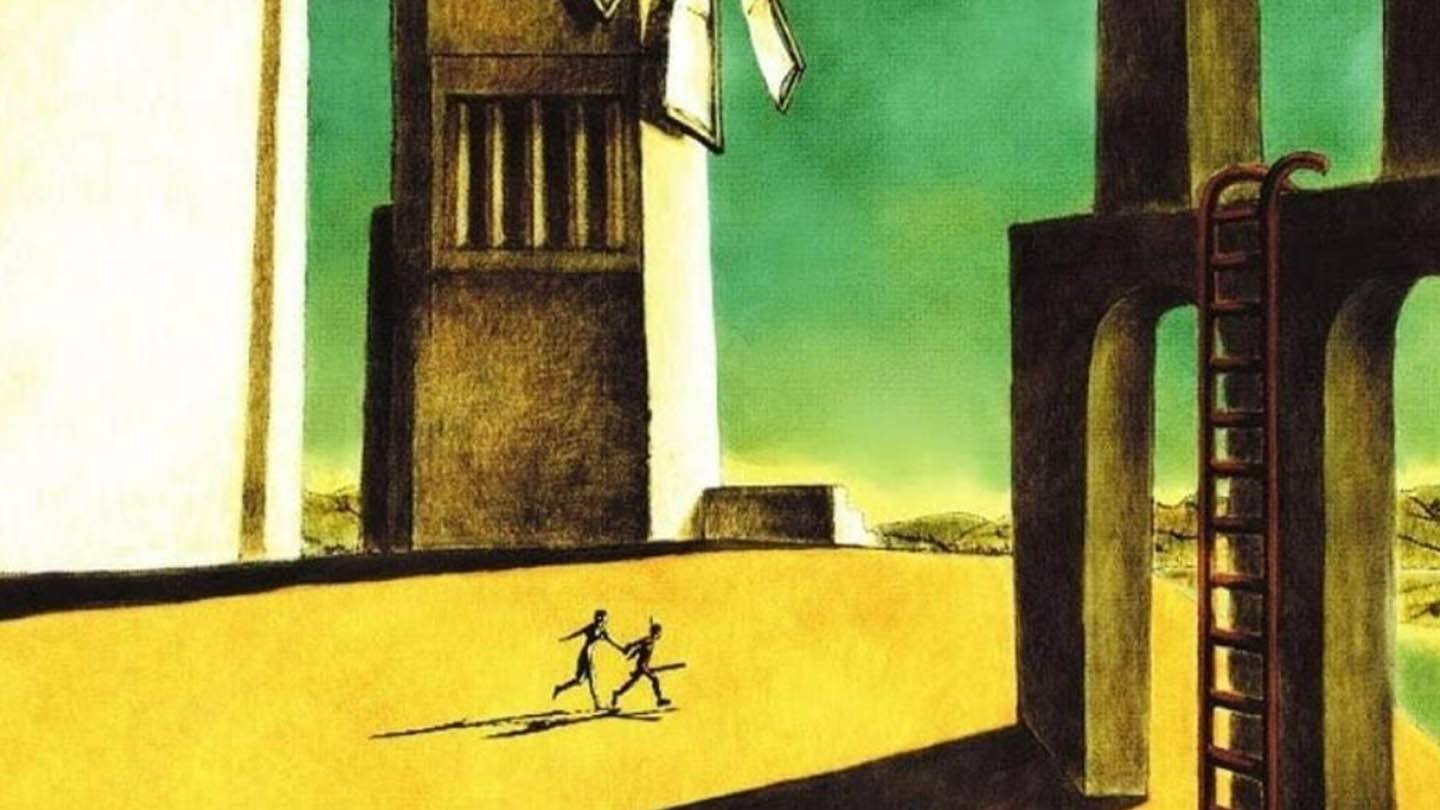
Yoko Taro, der Visionär hinter anerkannten Titeln wie Nier: Automata und Drakengard, hat offen die tiefgreifenden Auswirkungen von ICO auf die Videospielbranche als Medium für künstlerische Ausdruck erörtert. ICO wurde 2001 für die PlayStation 2 veröffentlicht und erhielt aufgrund seines minimalistischen Designs und ihrer Fähigkeit, eine überzeugende Geschichte ohne Worte zu erzählen, schnell einen Kult -Anhänger.
Taro betonte die revolutionäre Natur des Kernmechanikers von ICO, bei dem die Spieler den Charakter Yorda leiten, indem sie ihre Hand hält. Er erklärte: "Wenn ICO Sie beauftragt hätte, stattdessen einen Koffer von der Größe eines Mädchens zu tragen, wäre es eine unglaublich frustrierende Erfahrung gewesen." Dieser Mechaniker stellte die konventionellen Gameplay -Normen dieser Zeit heraus und transformierte. Taro wies darauf hin, dass die Notwendigkeit, einen anderen Charakter zu führen, ein bahnbrechender Ansatz sei, der die traditionelle Interaktivität in Spielen in Frage stellte.
Während dieser Zeit konzentrierte sich erfolgreiches Spieldesign häufig auf die Aufrechterhaltung des Engagements, selbst wenn alle Elemente zu grundlegenden Würfeln vereinfacht wurden. ICO priorisierte jedoch die emotionale Tiefe und den thematischen Reichtum vor der bloßen mechanischen Neuheit. Taro ist der Ansicht, dass ICO demonstriert hat, dass Kunst und Erzählung über das Gameplay nur ein bloßes Hintergrund sein und zu wesentlichen Teilen der Gesamterfahrung werden können.
Taro kennzeichnet ICO als "Epocherherstellung" und schreibt es zu, den Verlauf der Spieleentwicklung zu verändern. Er lobte das Spiel dafür, dass Videospiele durch subtile Interaktionen und atmosphärisches Design eine tiefe Bedeutung vermitteln könnten.
Neben ICO hob Taro zwei weitere einflussreiche Spiele hervor, die ihn und die breitere Branche erheblich beeinflussten: Undertale von Toby Fox und Limbo von Playdead. Diese Spiele, so argumentierte er, erweiterte die Möglichkeiten, was durch interaktive Medien vermittelt werden könnte, und beweist, dass Videospiele die Fähigkeit haben, tiefgreifende emotionale und intellektuelle Erfahrungen zu bieten.
Für Enthusiasten von Yoko Taros Arbeit bietet seine Wertschätzung für diese Spiele wertvolle Einblicke in die kreativen Einflüsse, die seine Projekte prägen. Es unterstreicht auch die kontinuierliche Entwicklung von Videospielen als dynamische und ausdrucksstarke Kunstform.
Girls Frontline 2: Exilium Global Website geht live, zusammen mit seinen sozialen Netzwerken!
Marvel -Rivalen: Das Verstehen von Bussen und Fangen
Neues Spiel Plus in Assassins Creed Shadows: bestätigt?
Top -Fähigkeiten, um Yasuke in Assassins Creed Shadows zu priorisieren
Assassins Creed Shadows -Bewegungen, die von zwei Parkour -Athleten überprüft wurden
Death Stranding 2 Erscheinungsdatum in massivem Trailer vorgestellt
Pokemon Go Leak neckt neue Abenteuereffekte
Amazon Music Unlimited: Kostenlose 3-Monats-Testversion verfügbar

Vacation Hotel Stories
Herunterladen
Thief Simulator: Sneak & Steal
Herunterladen
Wolfoo's Town: Dream City Game
Herunterladen
Bull Fight
Herunterladen
Golden City Casino
Herunterladen
Toilet Wars
Herunterladen
Word Madness
Herunterladen
Kids Road Builder - Kids Games
Herunterladen
Spoofy
Herunterladen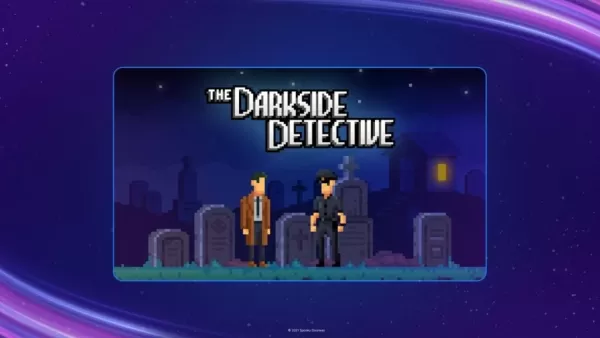
As of now, The Darkside Detective is indeed available as a free mobile game on the Epic Games Store. The game, developed by Visceral Games and published by Epic Games, offers a noir-style detective adventure with a gripping narrative, stylized visuals, and a unique blend of investigation and supernatural elements. Players take on the role of a private investigator navigating a gritty urban world filled with mysteries, strange occurrences, and moral ambiguity. The game features top-down exploration, dialogue choices that affect outcomes, and a haunting atmosphere that draws you into its dark, cinematic world. Since it’s a free-to-play title on the Epic Games Store, players can download and enjoy the full game at no cost, though it may include optional in-app purchases for additional content. Note: Availability and pricing may vary by region and over time, so it's a good idea to check the Epic Games Store directly for the most up-to-date details. Stay tuned—epic detective stories are just a tap away! 🔍🌑
Mar 29,2026
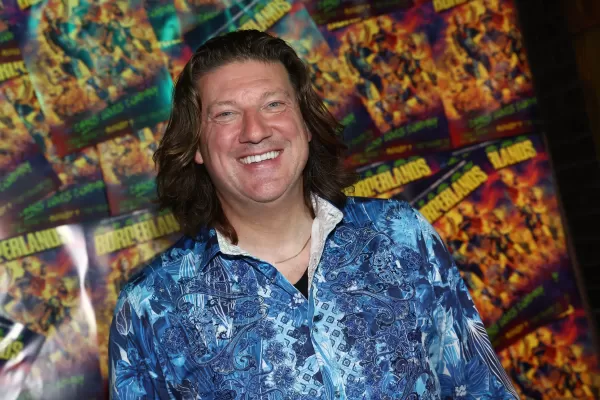
Randy Pitchford verteidigt Borderlands 4-Äußerung in offizieller Stellungnahme
Mar 28,2026
The recent surge of fan art featuring a Pokémon resembling Ho-Oh—specifically, a strikingly similar design with vibrant, phoenix-like plumage, a radiant golden body, and a majestic, ethereal presence—has sparked debate across fan communities. While some fans enthusiastically embrace the artwork as inspired homage or creative reinterpretation, others are quick to accuse the artist of plagiarism, arguing that the design is too close to the official Ho-Oh model created by Game Freak and Nintendo. The controversy centers on how closely the fan artwork mirrors Ho-Oh’s iconic features: the seven distinct feather sections, the glowing red and gold color scheme, and the overall silhouette. Critics point to the uncanny similarity in composition and visual storytelling, suggesting that the artwork may cross the line from tribute to infringement—especially if it's shared commercially or used in promotional contexts. However, defenders of the artwork argue that Ho-Oh is a well-known mythological bird in Japanese folklore and a staple of the Pokémon franchise, making it a legitimate source of inspiration. They emphasize that fan art often draws from established designs to explore new interpretations, and that original elements—such as unique wing patterns, background details, or emotional expressions—can still make the piece a personal creation. Legal experts note that while copyright law protects the specific artistic expression of official characters like Ho-Oh, simple homage or stylized reinterpretations often fall under fair use, particularly in non-commercial fan communities. That said, using such artwork for profit or misleading branding (e.g., selling it as official merchandise) could indeed invite legal issues. Ultimately, whether this is plagiarism or creative homage depends on context: the artist’s intent, originality of details, and how the artwork is used. The debate reflects broader tensions in fan culture—where admiration for a beloved character can blur into questions of ownership and authenticity. For now, the discussion continues online, with fans on both sides sharing their perspectives. The takeaway? Art inspired by iconic characters is common and often celebrated—but it's the nuance, originality, and respect for intellectual property that determine whether it’s seen as homage or infringement.
Mar 26,2026
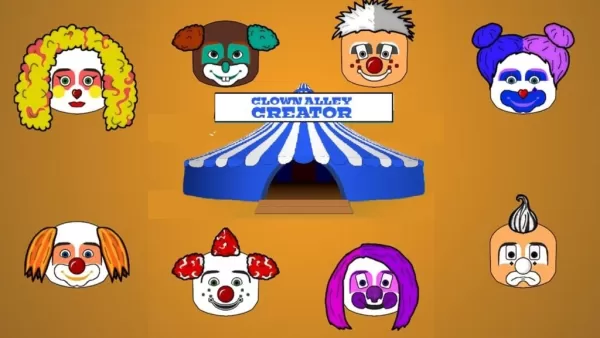
Erfinder von Clown Alley stellt sich vor: Gestalten Sie Ihre eigene Figur
Mar 26,2026
Nintendo Today-App erscheint als zentrale Plattform für Fan-Inhalte
Mar 24,2026
 Kategorie