by Charlotte May 01,2025
Ubisoft has once again activated the Animus, transporting players back to Japan's Sengoku Period with Assassin’s Creed Shadows. This latest installment features historical figures from 1579, such as Fujibayashi Nagato, Akechi Mitsuhide, and Yasuke, the African samurai who served Oda Nobunaga. As with previous entries in the series, these figures are intricately woven into a narrative that blends fact with fiction, delivering a thrilling tale of revenge, betrayal, and murder. While the game's storyline may take creative liberties, like imagining Yasuke gathering XP to wield a gold-tier weapon, it's essential to remember that Assassin’s Creed is firmly rooted in *historical fiction*. Ubisoft meticulously researches to create authentic open-world environments, yet they often alter historical facts to better fit the game's narrative.
Assassin’s Creed has a long history of bending historical truths to serve its engaging plots. Here are ten notable instances where the series has taken significant creative liberties:
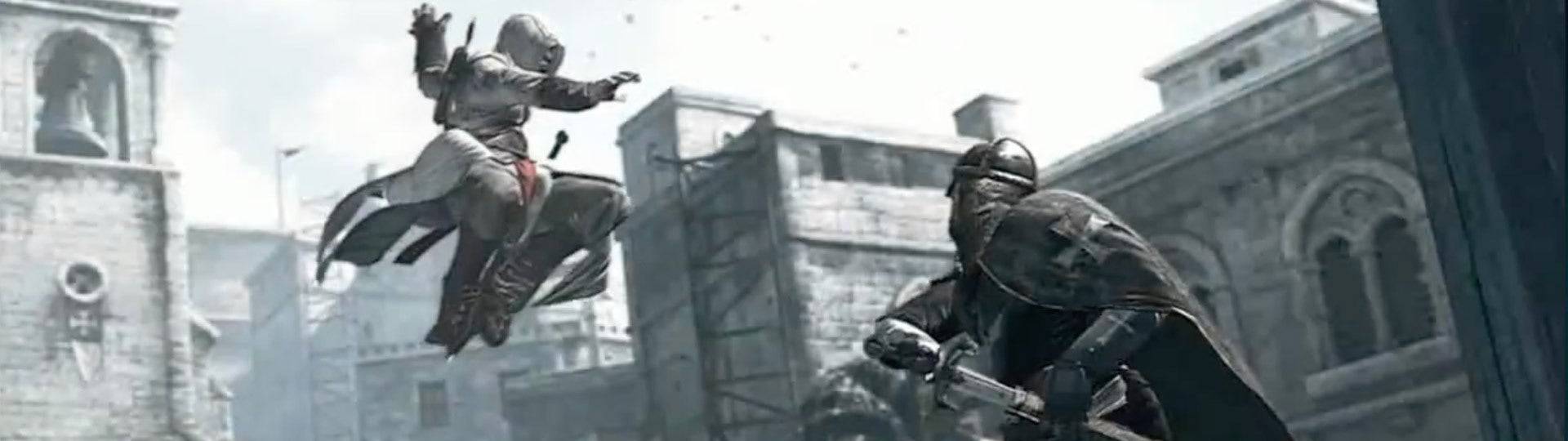
The central conflict between the Assassins and the Templars in Assassin’s Creed is entirely fictional. There is no historical evidence to suggest that the Order of Assassins, established in 1090 AD, and the Knights Templar, founded in 1118, were ever at war. Both groups were active during the Crusades, but the idea of a centuries-long ideological battle between them is a product of Ubisoft's creative storytelling.
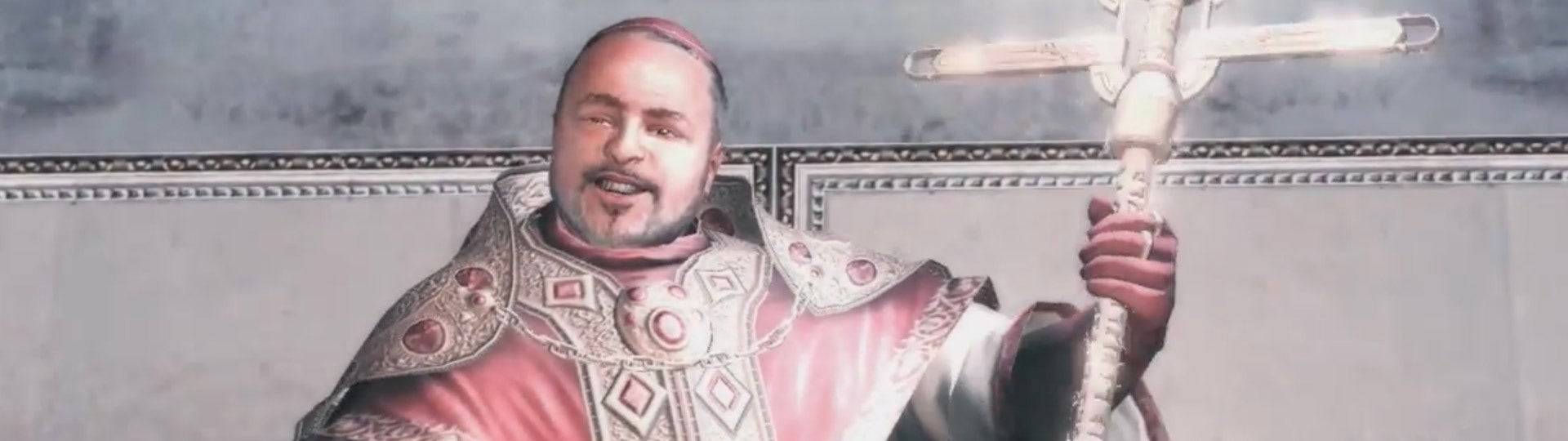
In Assassin’s Creed 2 and Brotherhood, the Borgia family, led by Cardinal Rodrigo Borgia who becomes Pope Alexander VI, is depicted as part of the Templar Order. Historically, the Templars did not exist during the late 1400s, making the Borgia's quest for the magical Apple of Eden and their supposed control over humanity a fictional twist. Additionally, while the Borgias are portrayed as villains, historical accuracy paints them in a more nuanced light, with Cesare Borgia's depiction as an incestuous psychopath being based on rumors rather than evidence.
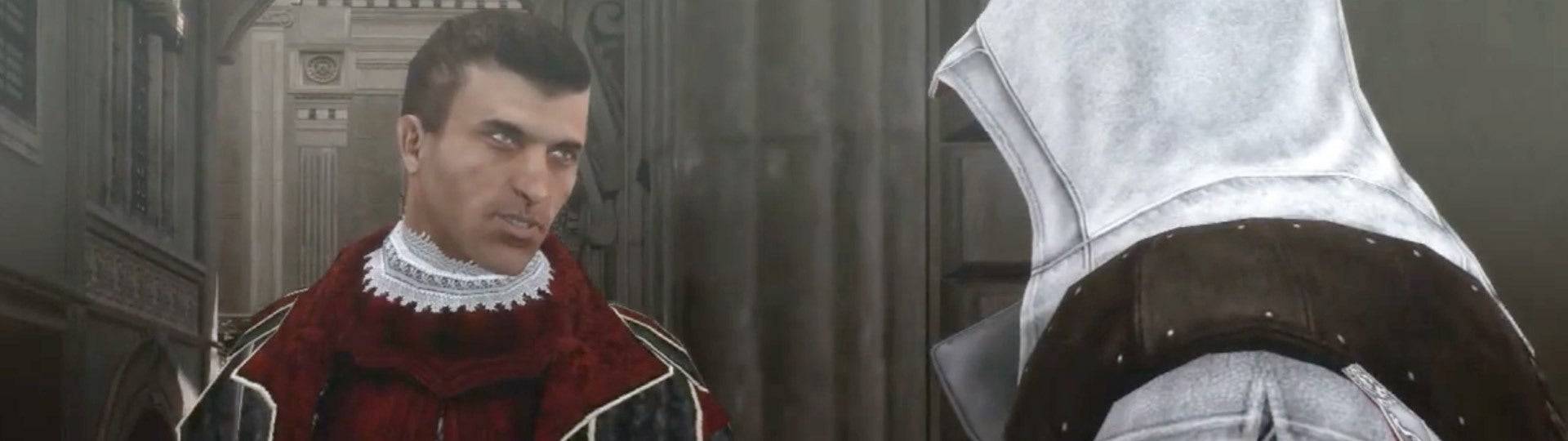
Niccolò Machiavelli, known for his political philosophies, is portrayed as Ezio's ally and leader of the Italian Assassin’s Bureau in Assassin’s Creed 2 and Brotherhood. However, Machiavelli's real-life views and actions suggest he would not have aligned with the Assassins. He had a more favorable view of the Borgias, serving as a diplomat in Cesare Borgia's court and considering him a model ruler, contrary to the game's portrayal.
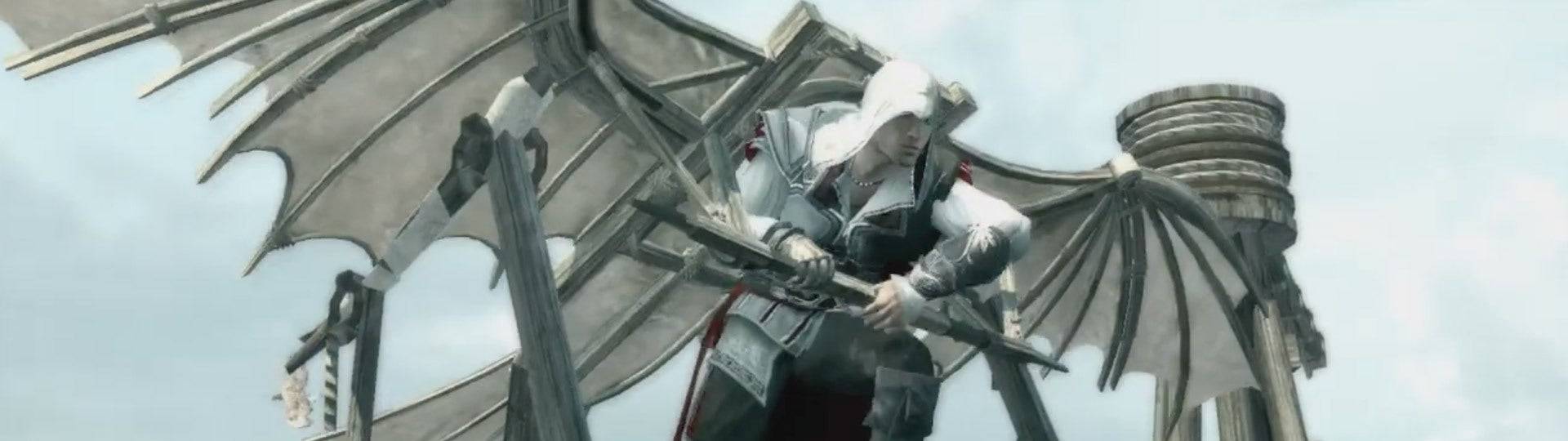
Assassin’s Creed 2 showcases Leonardo da Vinci as Ezio's friend and inventor, accurately capturing his charisma and wit. However, the game alters his timeline, moving him from Florence to Venice earlier than he historically did. While da Vinci's designs, like the machine gun and tank, are featured in the game, there's no evidence these were ever built. The flying machine, though inspired by da Vinci’s sketches, is a fictional element, as there's no record of such a machine ever taking flight.
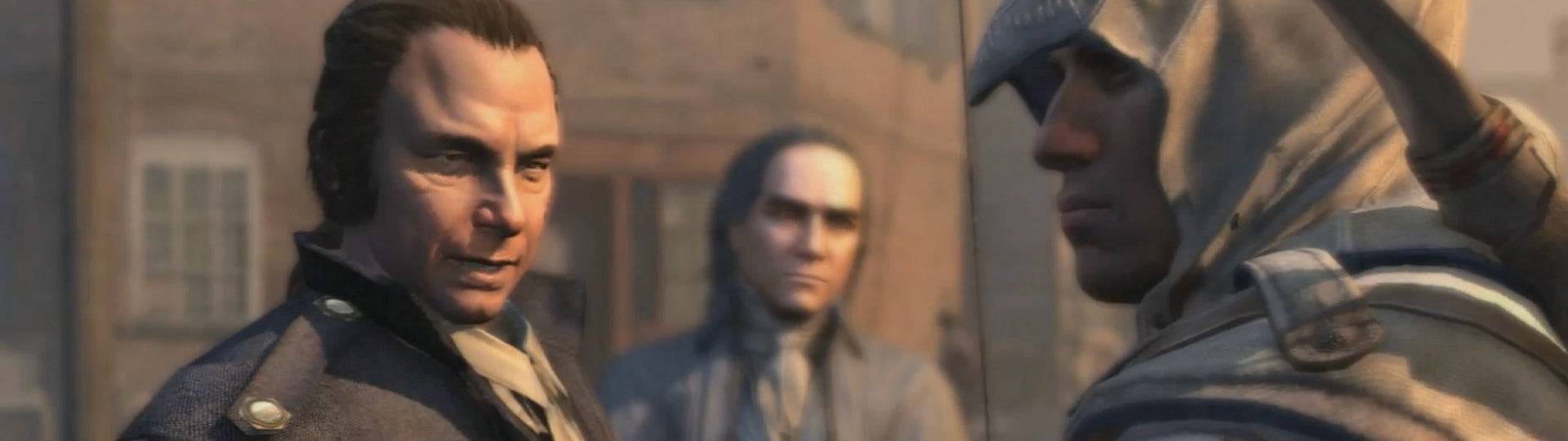
The Boston Tea Party, a non-violent protest against the Tea Act, is dramatically altered in Assassin’s Creed 3. The game depicts protagonist Connor violently engaging British guards during the event, turning a peaceful protest into a bloodbath. Furthermore, the game suggests Samuel Adams orchestrated the protest, a claim historians debate.

In Assassin’s Creed 3, Connor, a Mohawk, fights alongside the Patriots against the British, despite historical records showing the Mohawk people were allied with the British. This scenario, while inspired by figures like Louis Cook, is unlikely and represents a "what if?" scenario that Assassin’s Creed often explores.
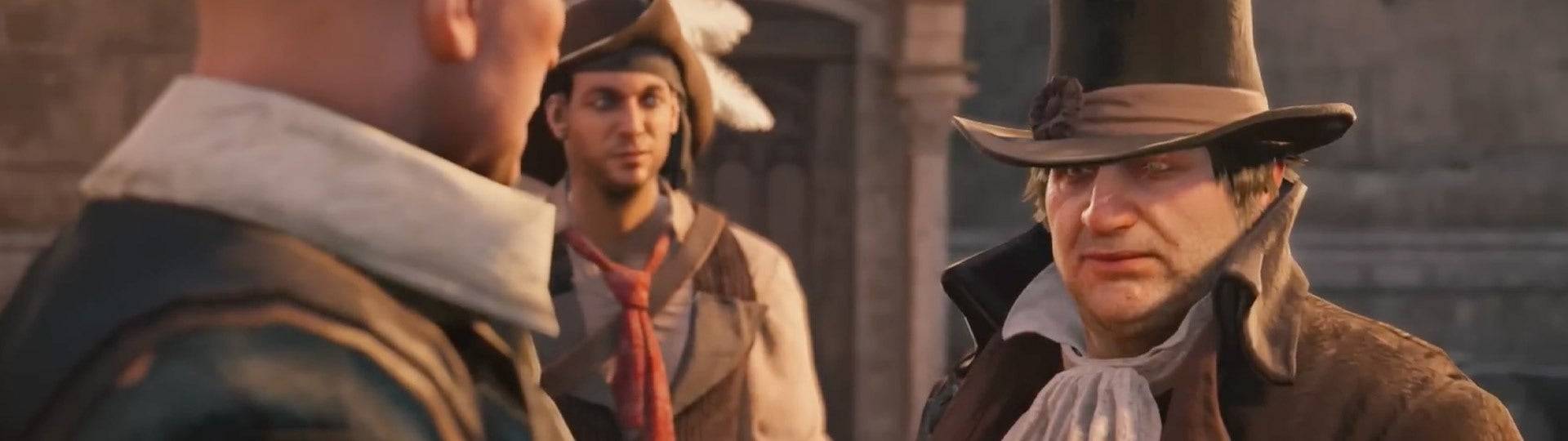
Assassin’s Creed Unity's depiction of the French Revolution suggests the Templars orchestrated events, including a food crisis, to manipulate the populace. Historically, the revolution was a complex event caused by natural disasters and social issues, not a Templar conspiracy. The game also simplifies the Reign of Terror as the entire revolution, overlooking its multifaceted nature.

Assassin’s Creed Unity portrays the execution of King Louis 16 as a close vote swayed by a Templar, suggesting controversy over his fate. In reality, the vote was a clear majority in favor of execution. The game also downplays the French aristocracy's role in the revolution and barely addresses King Louis's attempt to flee France, which worsened his reputation.

Assassin’s Creed Syndicate reimagines Jack the Ripper as a rogue Assassin who takes over the London Brotherhood. Historically, Jack the Ripper was a serial killer, not an Assassin. The game's narrative, where Jack is trained by Jacob Frye and killed by Evie Frye, is a creative reinterpretation of a case that remains unsolved to this day.

Assassin’s Creed Origins reimagines Julius Caesar's assassination as a battle against a proto-Templar leader. Historically, Caesar was popular for his reforms, including land redistribution. The game simplifies his political stance and suggests his death prevented tyranny, ignoring the civil war and rise of the Roman Empire that followed his assassination.
While Assassin’s Creed games meticulously recreate historical settings, they often deviate from historical accuracy to enhance storytelling. This approach is part of the charm of historical fiction, allowing players to explore "what if?" scenarios. What are your favorite examples of Assassin’s Creed bending the truth? Share your thoughts in the comments below.
Girls Frontline 2: Exilium Global Website Goes Live, Along With Its Socials!
Marvel Rivals: Understanding Bussing and Catching It
New Game Plus in Assassin's Creed Shadows: Confirmed?
Top Skills to Prioritize for Yasuke in Assassin’s Creed Shadows
Assassin’s Creed Shadows Movements Reviewed by Two Parkour Athletes
Death Stranding 2 Release Date Unveiled in Massive Trailer
Pokemon GO Leak Teases New Adventure Effects
Amazon Music Unlimited: Free 3-Month Trial Available
Pokémon Players Now Think Another Card 'Looks Very Similar' to Fan Art, but Others Aren't Convinced This Is a Ho-Oh Plagiarism Situation
Mar 26,2026

Clown Alley Creator Launches, Craft Your Character
Mar 26,2026
Nintendo Today App Debuts as Fan Content Hub
Mar 24,2026
Death Stranding 2: On the Beach Reveals New Trailer
Mar 17,2026
Cyberpunk 2077 Update 2.3 Delayed to Expand Its Scope
Mar 16,2026
 Category