by Oliver Mar 17,2025
The God of War series has been a PlayStation staple for four generations. Kratos' vengeful journey, beginning in 2005, has defied expectations, proving remarkably adaptable across multiple gaming eras. Unlike many long-running franchises, God of War's success stems from its willingness to evolve. The pivotal 2018 reboot, transplanting Kratos from Ancient Greece to Norse mythology, dramatically altered the series' presentation and gameplay. However, even before this acclaimed reboot, Sony Santa Monica subtly yet effectively refined the series, ensuring its longevity.
Future success hinges on reinvention. When the series shifted to Norse mythology, director Cory Barlog hinted at potential future settings, including Egypt and Mayan civilizations. Recent rumors suggest an Egyptian setting might be next. This is understandable; Ancient Egypt offers a rich cultural and mythological backdrop. But a new setting is just the beginning. God of War must reinvent itself, building upon the strengths of the Greek trilogy while enhancing them, as it did so masterfully in the Norse games.
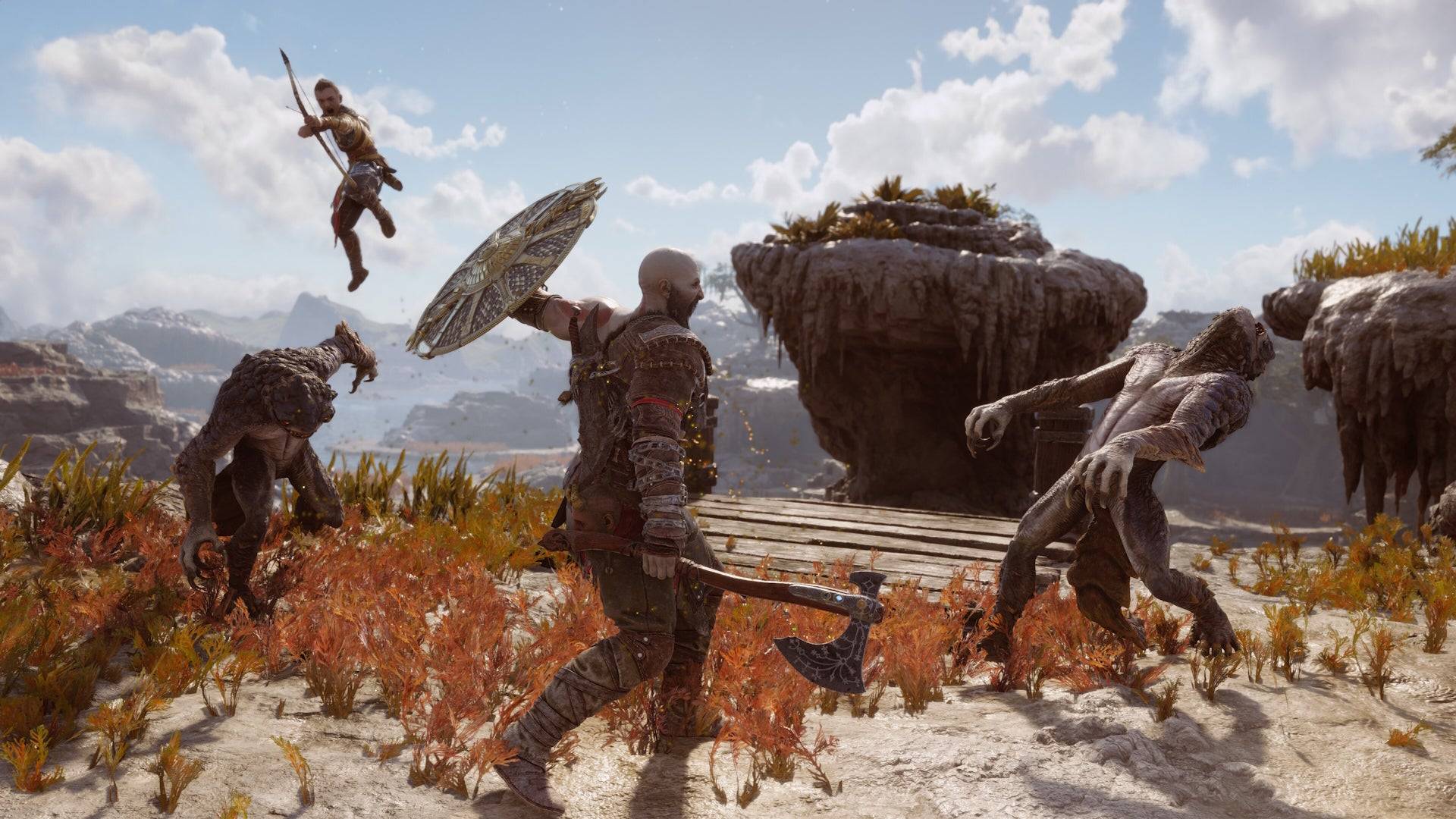
The Greek trilogy, spanning a decade, progressively refined its hack-and-slash combat. By God of War 3, Kratos wielded a revamped magic system complementing the melee combat, facing increasingly challenging enemies. The PS3's enhanced power enabled improved camera angles, showcasing the game's impressive graphics for its time.
The reboot, however, discarded some elements of the original games. The Greek trilogy's platforming and puzzle elements were largely removed in the Norse games due to the shift to a third-person, over-the-shoulder perspective. Puzzles remained, but were redesigned to suit the adventure-focused narrative.
Valhalla, the God of War Ragnarök DLC, interestingly revisited past elements. The battle arenas, a memorable feature of the original trilogy, returned, adapted for the Norse setting. This mirrored the story, seeing Kratos confront his past in Valhalla. This return to Greek roots, both mechanically and narratively, brought Kratos' journey full circle.
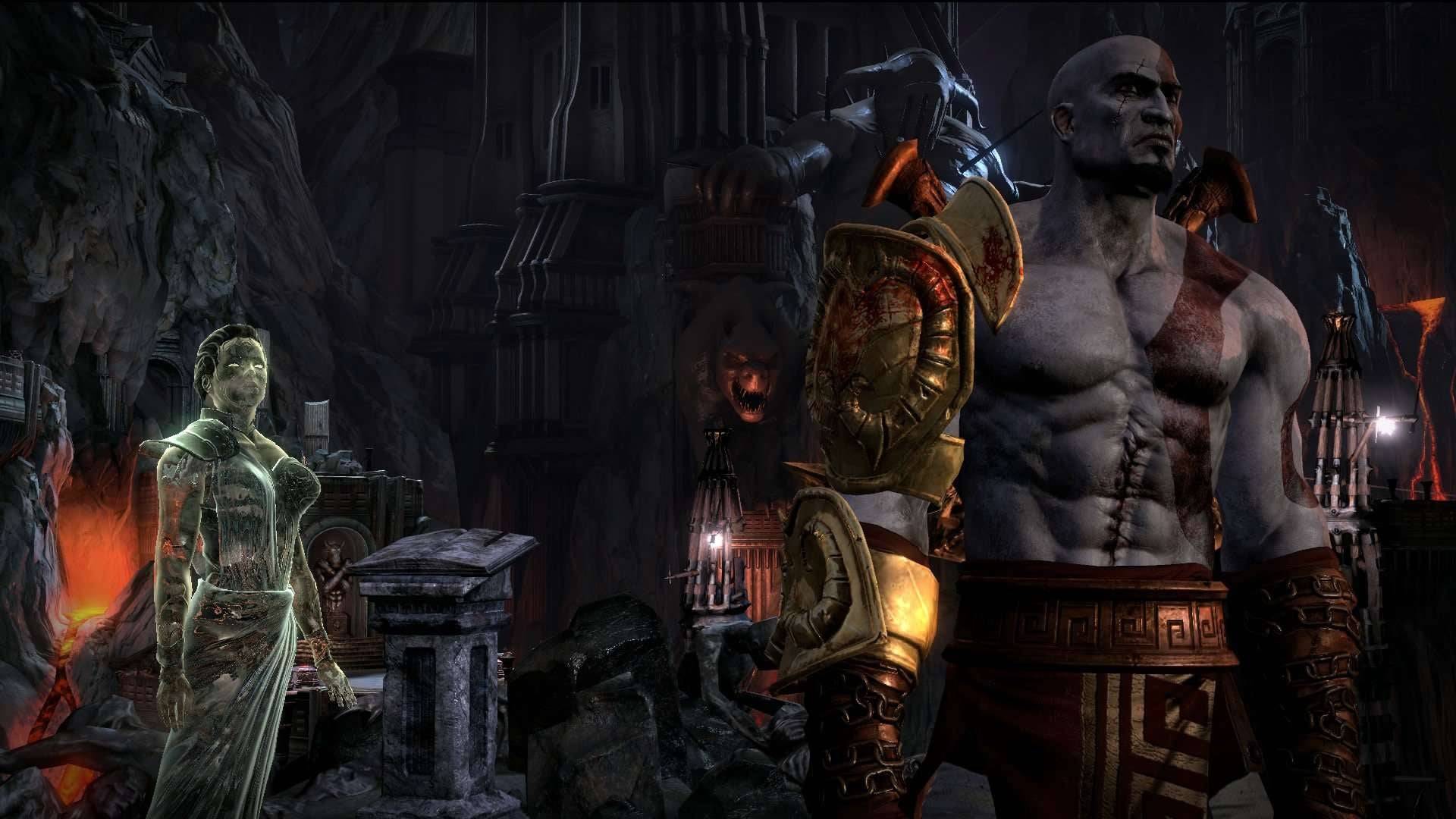
The Norse games aren't mere reinterpretations; they introduced new mechanics like the Leviathan Axe's throwing abilities, a refined parry system, and Ragnarök's magical spear, enabling faster combat. These tools facilitated exploration across the Nine Realms, each with unique enemies and visuals.
Beyond mechanics, the Norse duology significantly evolved the storytelling. Kratos' grief over his wife and his complex relationship with Atreus are central to the narrative. This emotive approach contrasts sharply with the original trilogy's more brutal storytelling and is arguably key to the Norse era's success.
God of War's reinvention reflects a unique approach to franchising. The creators view the Norse games not as sequels, but as extensions of Kratos' journey. This perspective should guide future installments.
However, radical reinvention isn't guaranteed success. Assassin's Creed, despite frequent changes in setting and time period, hasn't consistently maintained fan engagement across generations in the same way as God of War. Its shift to open-world RPGs, while profitable, alienated some fans, leading to criticism of content bloat and a drift from its core assassin identity.
Assassin's Creed Mirage, a recent return to the series' roots, offered a shorter, more focused experience, receiving positive feedback. Assassin's Creed Shadows seems to build upon this with a character dedicated to stealth gameplay.
AnswerSee ResultsAssassin's Creed's experience highlights the risk of abandoning a series' core strengths. God of War, however, skillfully avoided this pitfall. The Norse games, while a radical departure, retained Kratos' compelling character and the series' fundamental combat. It built upon the Greek trilogy's core—fiery combat—and iteratively improved upon it, adding features like enhanced Spartan Rage, new weapons, and diverse combat options without sacrificing its identity. This approach deepened the lore rather than diluting it.
Future God of War installments, regardless of setting (Egyptian or otherwise), must continue this evolutionary path. While the Norse games prioritized combat, future entries will likely be judged by their narrative. Kratos' character development from a rage-filled monster to a complex father showcases the importance of strong writing. Future games must build upon this strength while innovating, aiming to become the pinnacle of the series.
Girls Frontline 2: Exilium Global Website Goes Live, Along With Its Socials!
Marvel Rivals: Understanding Bussing and Catching It
New Game Plus in Assassin's Creed Shadows: Confirmed?
Top Skills to Prioritize for Yasuke in Assassin’s Creed Shadows
Assassin’s Creed Shadows Movements Reviewed by Two Parkour Athletes
Death Stranding 2 Release Date Unveiled in Massive Trailer
Pokemon GO Leak Teases New Adventure Effects
Amazon Music Unlimited: Free 3-Month Trial Available
Ahsoka Revealed at Star Wars Celebration
Apr 09,2026
Netflix and PBS to Stream New Sesame Street Episodes After HBO Max Deal Ends
Apr 07,2026
Eternity's Bastion Season 2 Debuts Post-EVA 2025 Triumph
Apr 02,2026
Alien RPG: Idle Space Farm Guide
Apr 02,2026
GOG unveils one-click mods, Skyblivion arrives this year
Mar 30,2026
 Category