by Elijah Mar 13,2025
The horror gaming landscape is constantly evolving. Developers constantly strive to create new ways to instill fear and tension, but familiar mechanics often become predictable. A game's success hinges heavily on its design, narrative, and storyline. While truly innovative horror games are rare, some stand out as exceptional examples of a unique subgenre.
Let's call this subgenre "meta-horror," a term that accurately describes games that break the fourth wall, interacting not just with their in-game world and characters, but directly with the player. This technique, when executed well, elevates a game to a truly memorable experience. If you've played (or watched playthroughs of) the games discussed below, you'll likely understand the sense of intrigue and astonishment they evoke.
An early example of fourth-wall breaking is Psycho Mantis from *Metal Gear Solid*. His ability to seemingly interact with the player's controller (requesting they put it down, revealing saved games, etc.) was groundbreaking in 1998. Hideo Kojima cleverly used the DualShock controller's capabilities to enhance the tension and surprise.
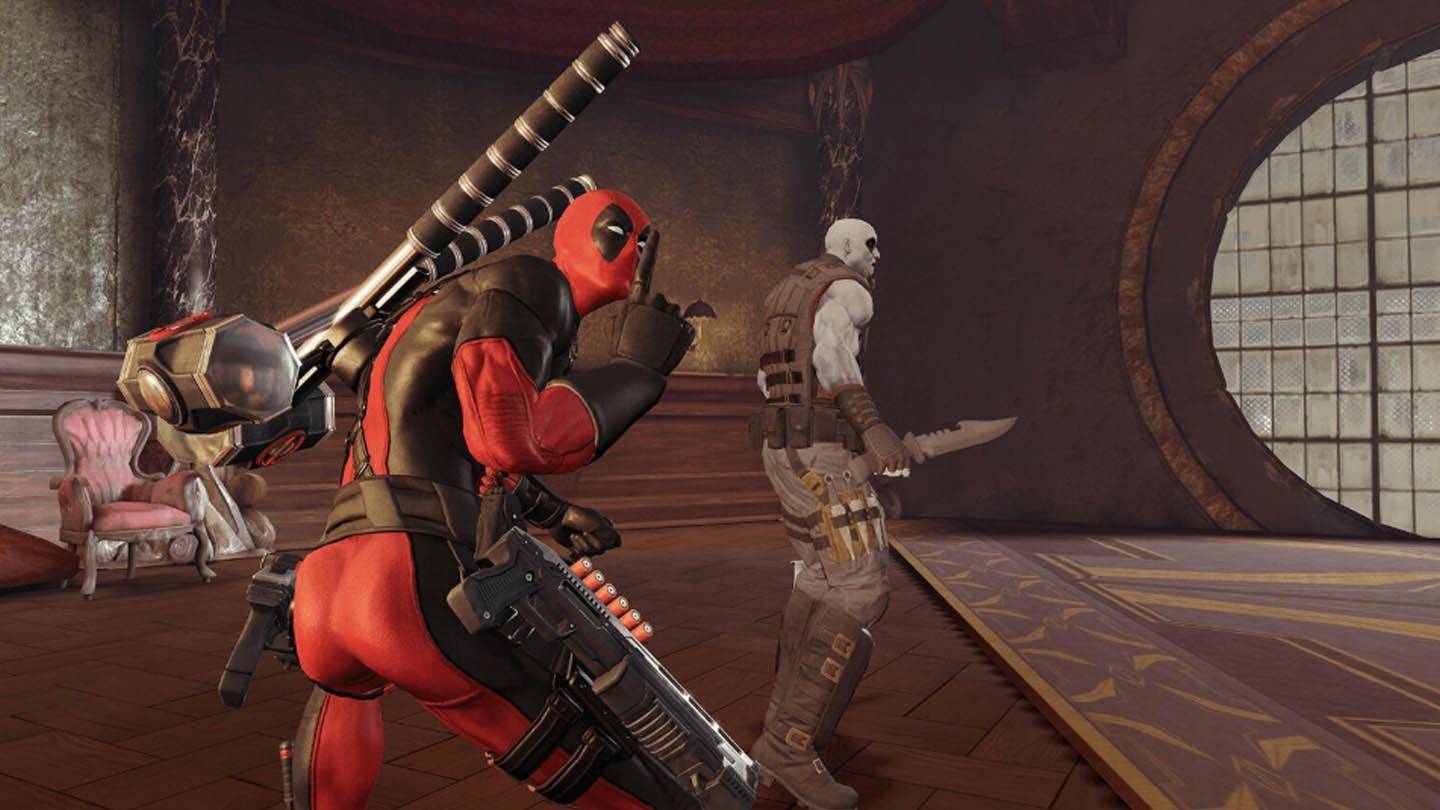
Since then, this technique has been replicated in games like *Deadpool*, *Detroit: Become Human*, and *Nier: Automata*. However, often the fourth-wall break is limited to simple player address. Unless a game uses this interaction to genuinely surprise or engage the player beyond a simple gimmick, it often feels like a minor bonus feature.
Recently, *Miside* has been labeled as having "elements of meta-horror." However, its meta-horror aspects are primarily limited to player interaction, further complicated by its "game within a game" structure. This warrants further discussion in the future.
Now, let's delve into some noteworthy meta-horror games:
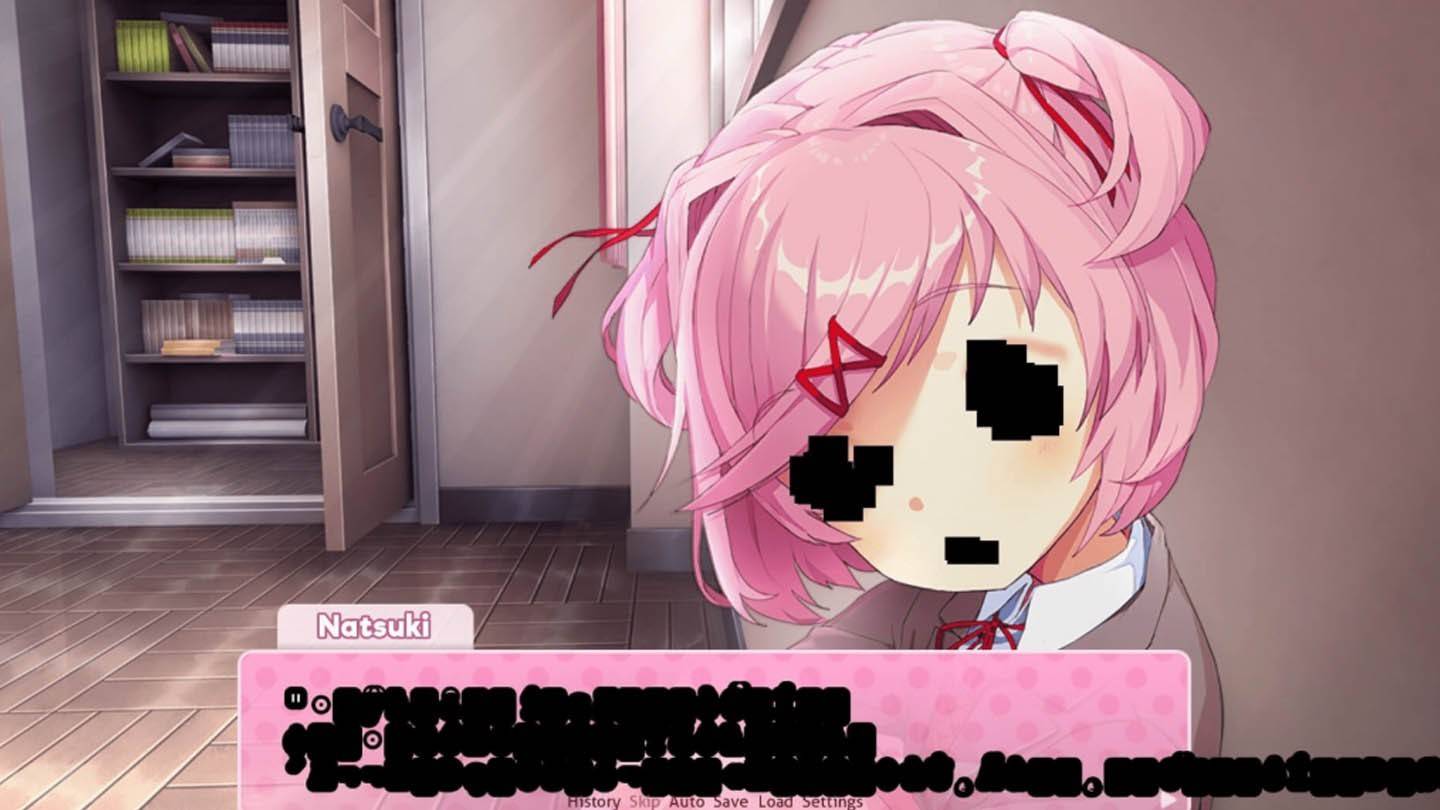
Released in 2017, this visual novel initially presents as a charming romantic comedy, but quickly takes a dark and unsettling turn. It's a prime example of meta-horror! The game's interaction extends beyond simple address; it accesses your operating system username and creates files with intriguing (and sometimes disturbing) content. These elements function as both narrative tools and gameplay mechanics.
The game's unique approach, featuring charming 2D girls within a literary club setting, quickly garnered a large following. While not the first to use these techniques, *DDLC* popularized this style of meta-horror. With several years since the last update, fans eagerly await the next project from the developers.

Moving away from visual novels, *OneShot*, an RPG Maker adventure, pushes the boundaries of meta-horror even further. While not marketed as a horror game, it contains genuinely unsettling moments. In *OneShot*, you guide a character to save the world, but the game is aware of *you*. It directly addresses you through system windows, creates helpful (and sometimes cryptic) files, and even changes its own title—all integral parts of the puzzle-solving experience.
Unlike *DDLC*, *OneShot* fully utilizes its meta-capabilities, creating a truly engaging and memorable experience. For many, including myself, it was a first introduction to the genre, leaving a lasting impression. I highly recommend experiencing it firsthand rather than reading about it.

Finally, we arrive at what many consider the pinnacle of meta-horror. When planning this article, *IMSCARED* immediately came to mind, making all the previous examples feel like a mere introduction.
Some might consider these types of games "viruses," and this isn't entirely inaccurate. They access system data and can delete or create files. However, reputable meta-horror games are not malicious. It's important to be cautious of malicious programs disguised as games, though these are thankfully rare.
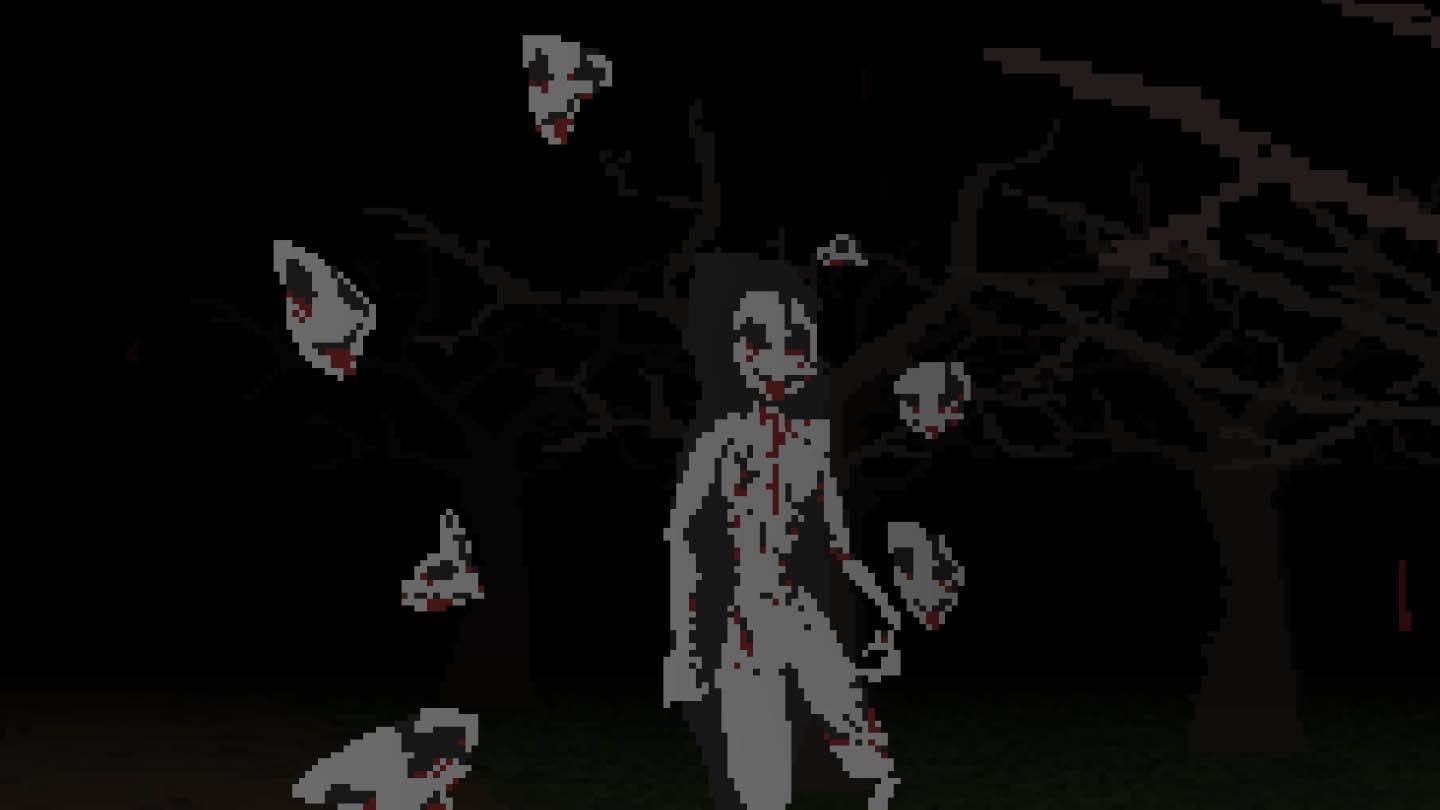
*IMSCARED* assures you it's not harmful upon launch, explaining potential antivirus flags. However, what follows is truly extraordinary. *IMSCARED* doesn't consider itself a game, but rather a self-aware entity, a virus interacting with *you*, rather than the other way around. This concept drives the entire gameplay experience. It manipulates you by crashing, minimizing windows, controlling your cursor, and creating both helpful and disruptive files.
Released in 2012, it has received several updates, remaining a fresh and unsettling experience even in 2025. Be prepared for frustration from frequent crashes and minimizations, but the overall experience is undeniably worth it. For me, *IMSCARED* perfectly embodies meta-horror, terrifying not just through visuals, but through its direct interaction with your system.
While many games utilize similar techniques, few master them as well as the titles discussed here. Meta-horror offers a unique and unsettling gaming experience, and I highly recommend trying at least one. If visual novels aren't your preference, give *OneShot* or *IMSCARED* a try. For fans of randomness and survival horror elements, *Voices of the Void* provides another compelling option.
Girls Frontline 2: Exilium Global Website Goes Live, Along With Its Socials!
Marvel Rivals: Understanding Bussing and Catching It
New Game Plus in Assassin's Creed Shadows: Confirmed?
Top Skills to Prioritize for Yasuke in Assassin’s Creed Shadows
Assassin’s Creed Shadows Movements Reviewed by Two Parkour Athletes
Death Stranding 2 Release Date Unveiled in Massive Trailer
Pokemon GO Leak Teases New Adventure Effects
Amazon Music Unlimited: Free 3-Month Trial Available
Endless Grades: Pixel Saga – The Best Tips & Tricks To Boost Your Progression
Apr 22,2026
Foretales: Card Game Shapes Apocalyptic Fate
Apr 20,2026
Once Human: Best Builds for PvE and PvP
Apr 17,2026
Galaxy Defense Fortress TD: Dominate with Strategy
Apr 16,2026
Bandai Namco Remasters Another Tales Game, Likely Xillia
Apr 14,2026
 Category