by Blake Apr 21,2025
Nintendo stands as a titan in the world of video games, renowned for its creativity and innovation. From its inception, Nintendo has been a leader in the home console market, boasting an extensive library of beloved intellectual properties (IPs) that continue to enchant players decades after their initial release. As the company gears up for the future with the announcement of the Nintendo Switch 2, it's the perfect time to reflect on its storied history in the console space.
Below, we've compiled a comprehensive list of every console Nintendo has ever released. Embark on a journey through time and see how Nintendo has continuously pushed the boundaries of gaming technology and entertainment!
AnswerSee Results*Looking to save on a new Nintendo Switch or new titles for your system? Be sure to check out the best Nintendo deals available today.*In total, 32 Nintendo consoles have been released throughout Nintendo's history. The Switch 2 will mark the 33rd. This count includes various revision models for both home and handheld consoles, such as those branded with XL and Mini labels.
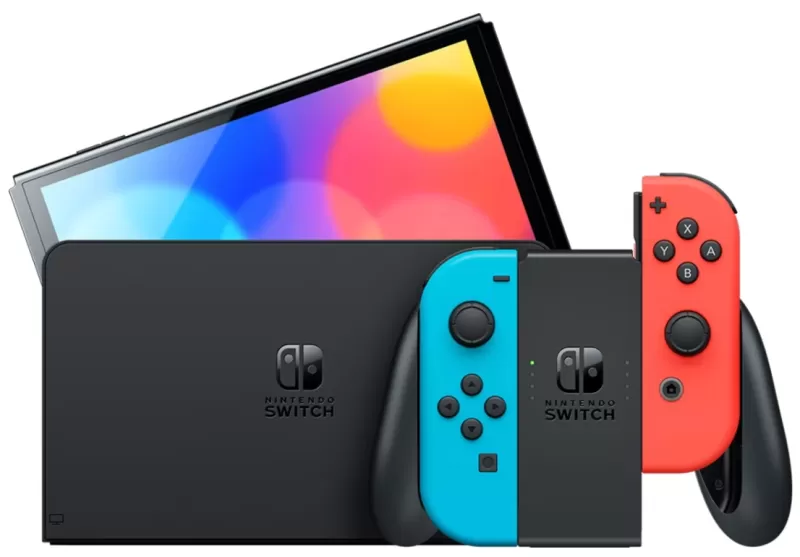 Latest Model### Nintendo Switch OLED (Neon Blue & Red)
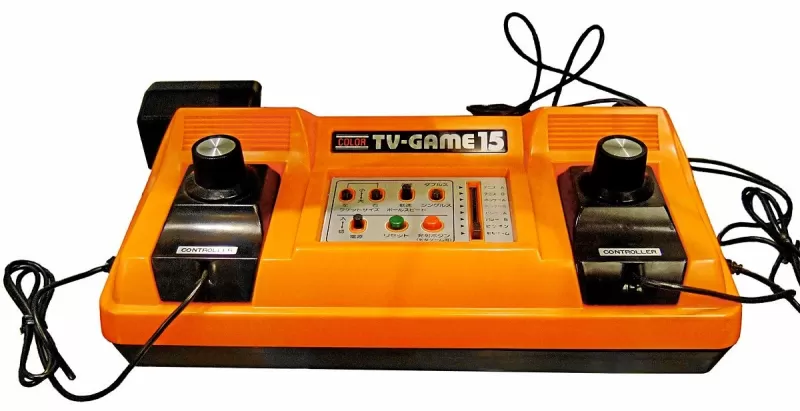 Nintendo's initial venture into gaming hardware began with the Color TV-Game series, a collaboration with Mitsubishi Electronics, due to Nintendo's lack of experience in hardware development. These systems were a commercial success and paved the way for Nintendo to focus on gaming hardware. The legacy of the Color TV-Game is still felt today, as Nintendo continues to innovate in the gaming industry nearly 50 years later.
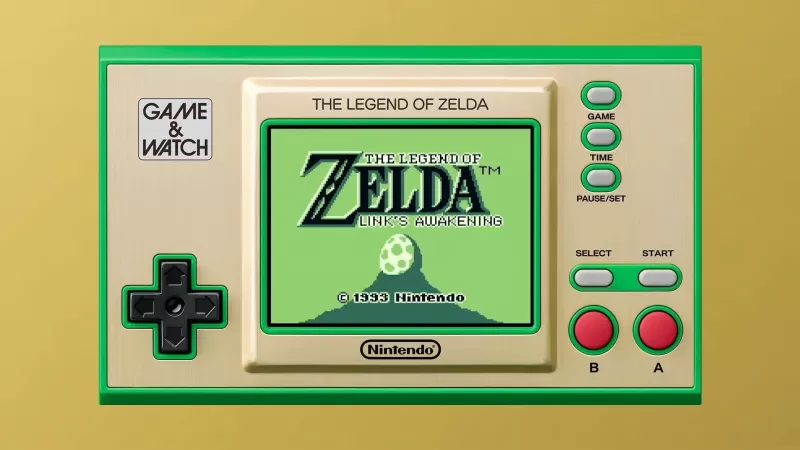 Nintendo made its first foray into the handheld market with the Game & Watch devices, each featuring unique games. Selling over 40 million units worldwide, these devices introduced innovations like the D-Pad, which debuted in the Donkey Kong Game & Watch. The series saw a revival with limited edition models released in 2020 and 2021 to celebrate the anniversaries of Mario and Zelda.
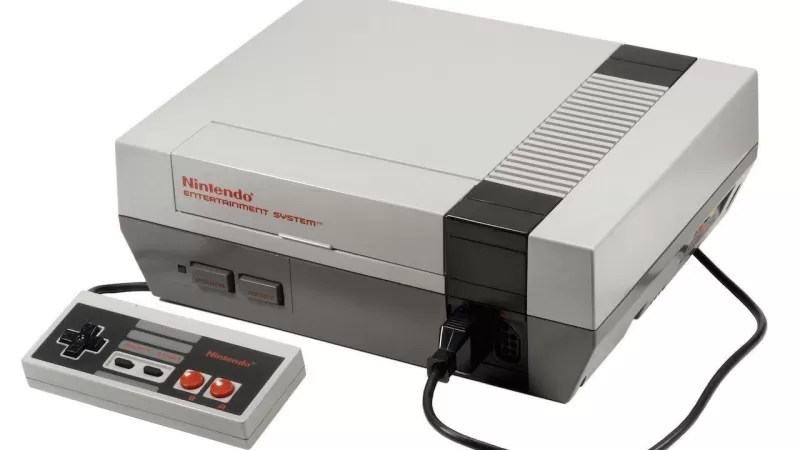 Known as the Family Computer (Famicom) in Japan, the Nintendo Entertainment System (NES) marked Nintendo's entry into the North American market. It introduced cartridge-based gaming, enabling players to enjoy a variety of games. Iconic franchises like Super Mario, The Legend of Zelda, and Metroid originated on this platform, making the NES a cornerstone in video game history.
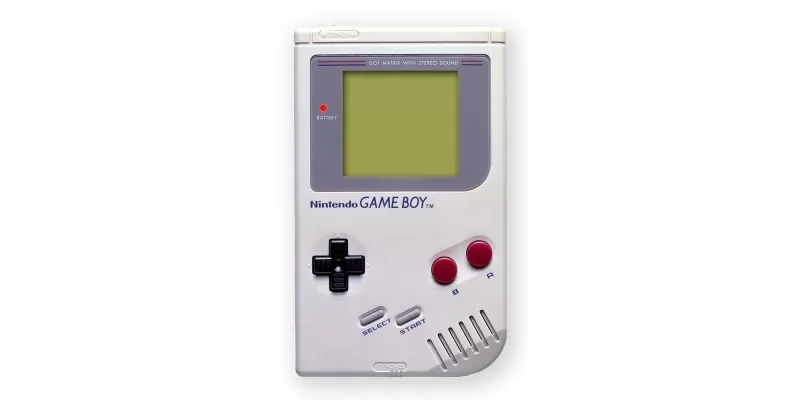 Launching in North America in the summer of 1989, the Game Boy was Nintendo's first true handheld console. It advanced beyond the Game & Watch by using cartridges, allowing players to enjoy numerous games. Tetris, bundled with the system in many regions, became synonymous with the Game Boy.
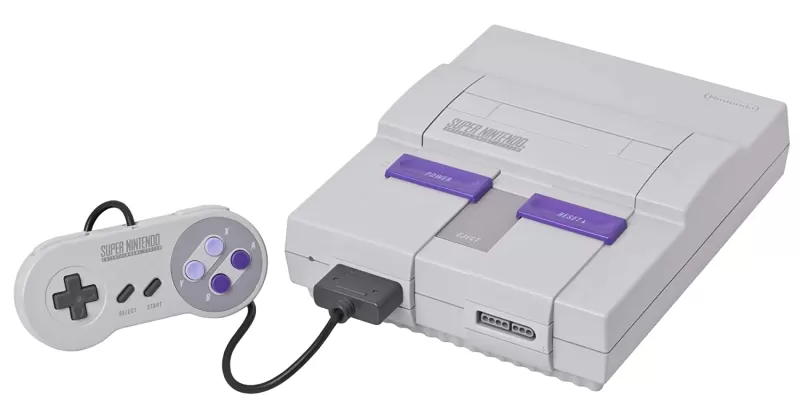 With the Super Nintendo Entertainment System (SNES), Nintendo brought 16-bit graphics to its platforms for the first time. It was during this era that Nintendo significantly evolved its major series, with titles like Super Mario World and Donkey Kong Country. Despite entering the market late in the generation, the SNES became the best-selling console of its time due to its exceptional software and broad appeal.
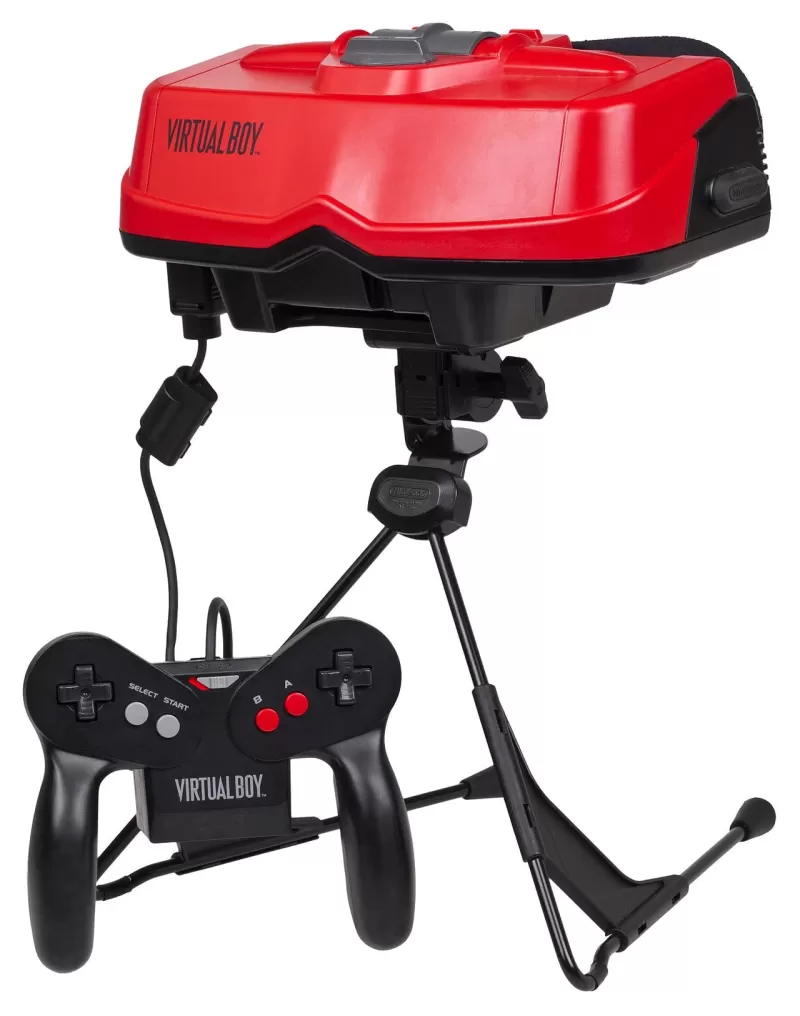 Perhaps Nintendo's most unusual console, the Virtual Boy was the first to offer 3D visuals. With only 22 games released, including titles like Mario's Tennis and Virtual Boy Wario Land, it had a brief market presence of just one year, selling nearly 800,000 units.
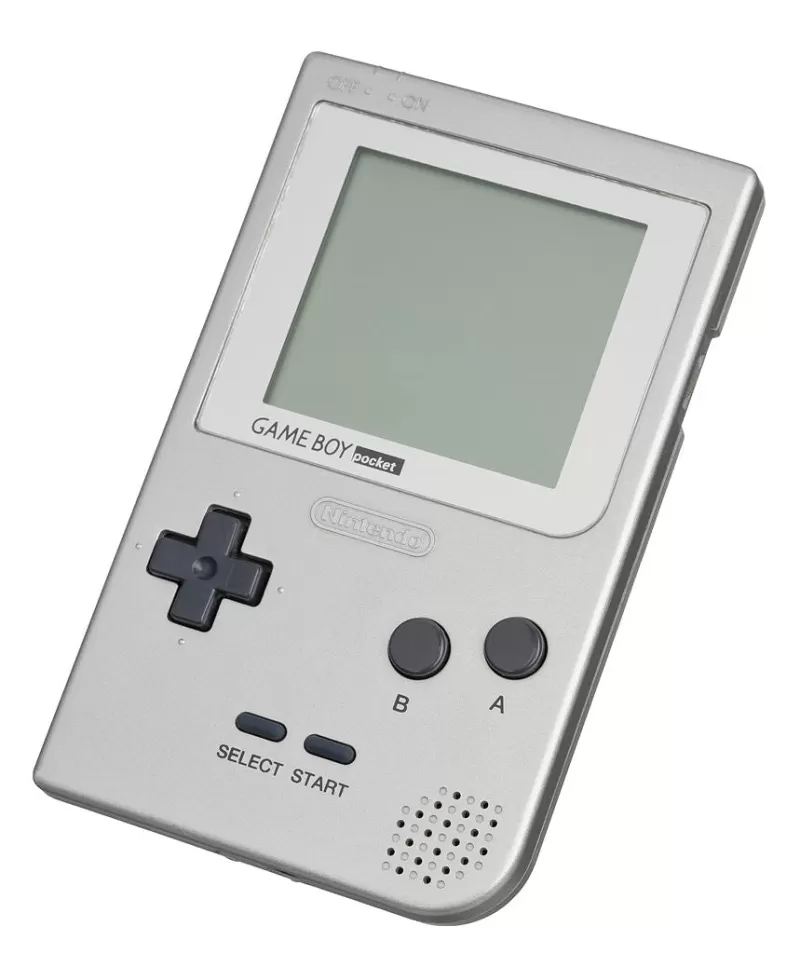 A smaller version of the Game Boy, the Game Boy Pocket featured an improved black-and-white screen. It enhanced display response time, though its smaller design resulted in shorter battery life compared to its predecessor.
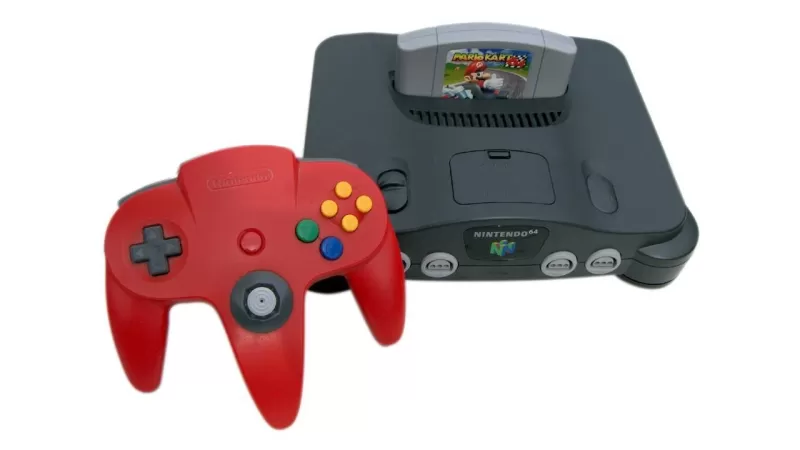 Introducing 3D graphics to Nintendo's home consoles, the Nintendo 64 was a groundbreaking system. It launched iconic games like Super Mario 64 and The Legend of Zelda: Ocarina of Time. The N64's innovative controller introduced the analog stick, and Nintendo released various special edition models, including translucent variants.
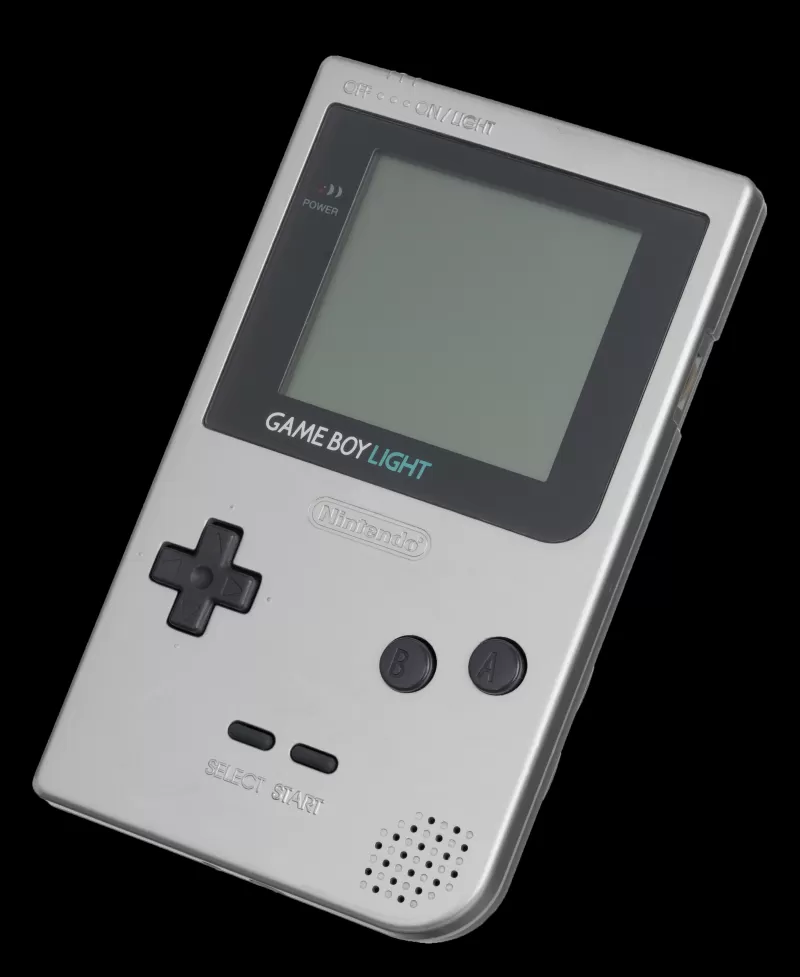 Exclusive to Japan, the Game Boy Light added a backlight to the Game Boy series, enabling play in low-light conditions. Larger than the Game Boy Pocket, it offered an extended battery life of around 20 hours.
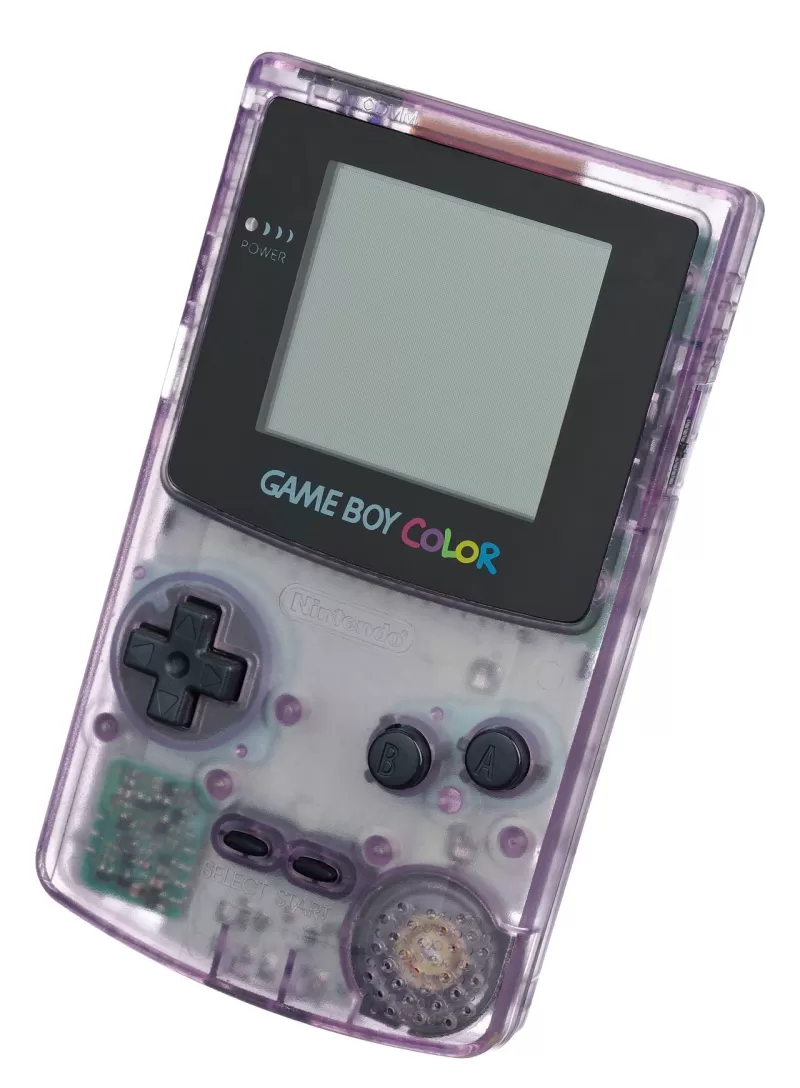 Bringing color to the handheld market, the Game Boy Color was backward-compatible with all Game Boy games. Some titles, like Tetris, were enhanced with vibrant colors, while hundreds of new games were developed specifically for this system.
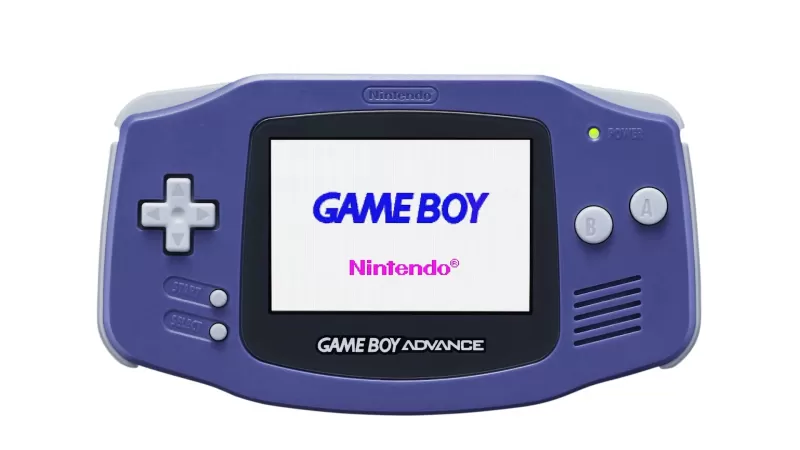 A significant leap forward, the Game Boy Advance (GBA) introduced a horizontal design and 16-bit graphics to the Game Boy line. It was backward-compatible with previous Game Boy titles, expanding the library to thousands of games.
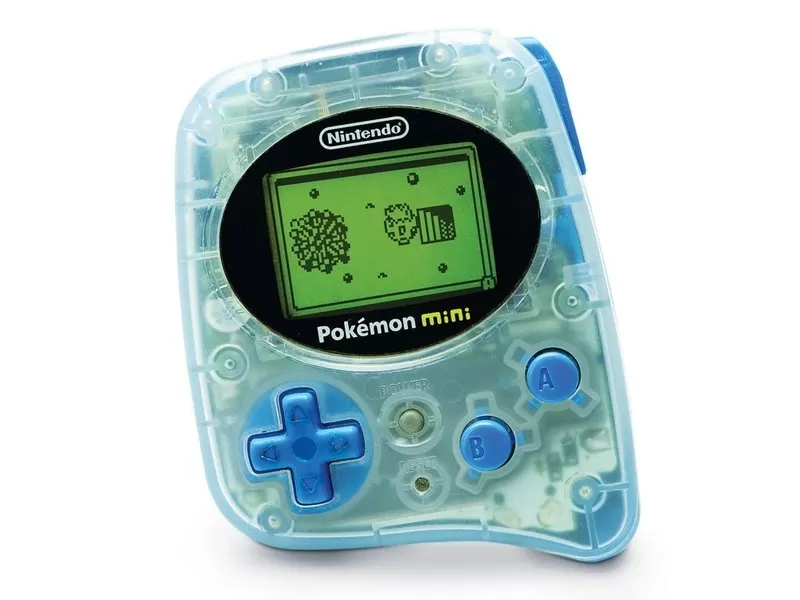
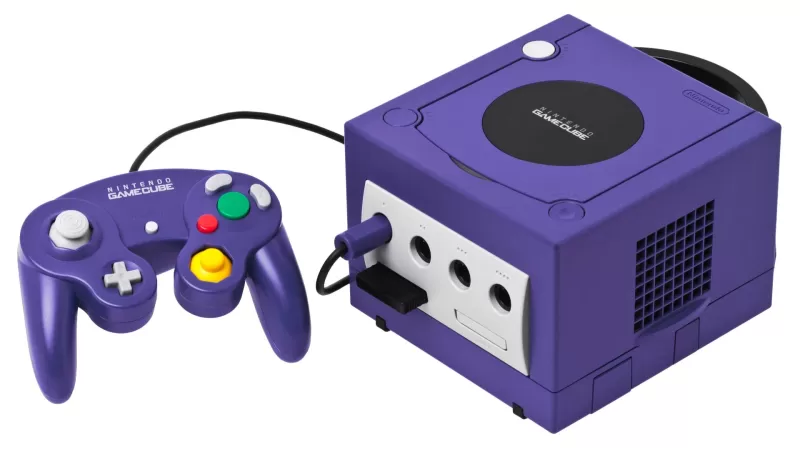 Building on the success of the Nintendo 64, the GameCube offered sequels to beloved titles like Super Mario Sunshine and The Legend of Zelda: Wind Waker. It transitioned to disc-based media and featured an improved controller with built-in rumble and analog/digital triggers. Many GameCube franchises, such as Animal Crossing, continue to thrive today.
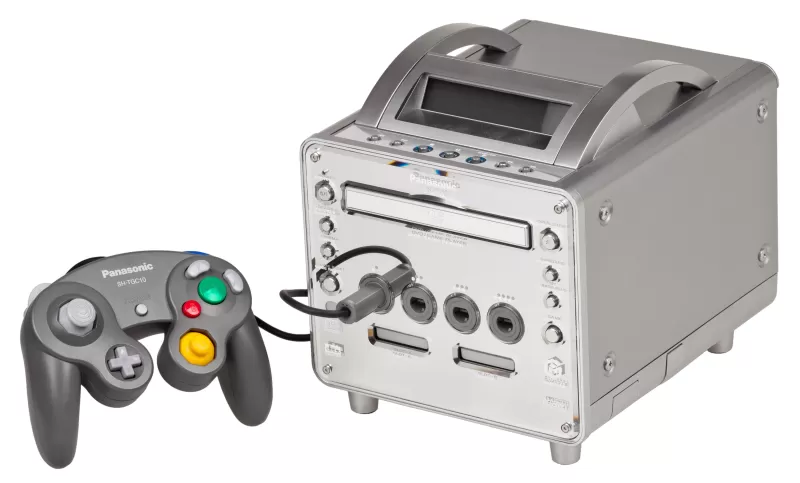 A collaboration between Panasonic and Nintendo, the Panasonic Q combined a GameCube with a DVD player. Its sleek design and high price limited its market life to two years.
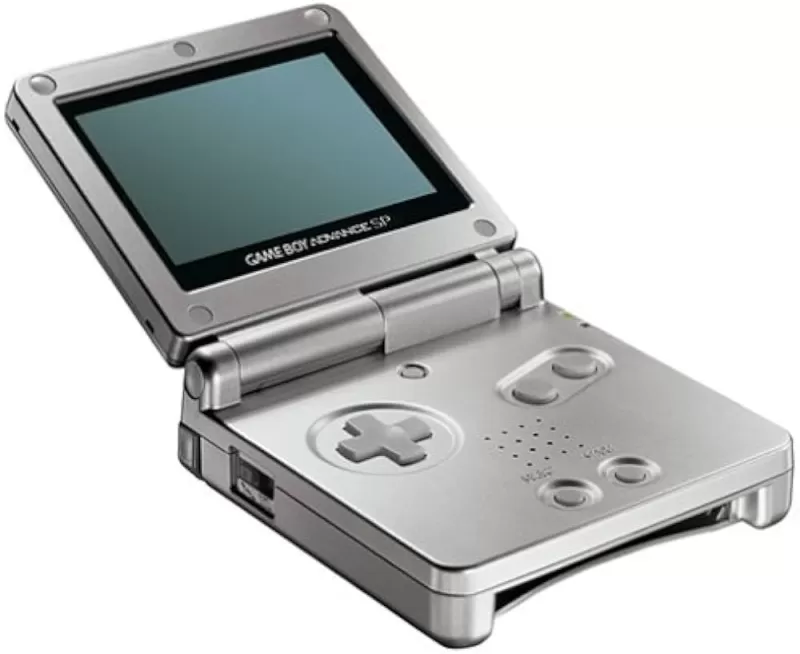 Featuring a hinge design, the Game Boy Advance SP improved upon the original GBA with a rechargeable battery and a backlit screen (in later models). It lacked a headphone jack but offered an adapter for audio output.
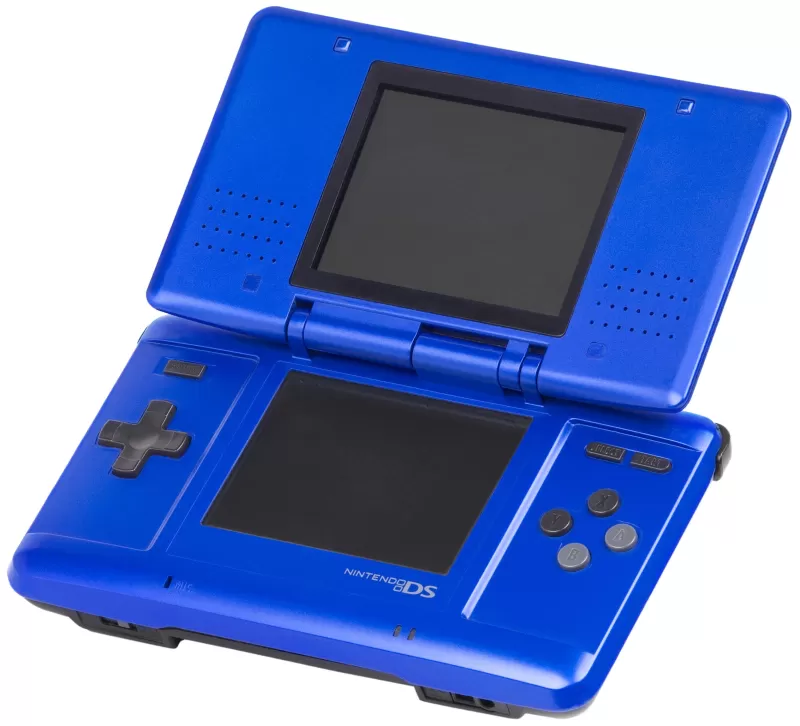 Launching Nintendo's best-selling console line, the Nintendo DS introduced Wi-Fi support and a unique clamshell design with two screens, including a touchscreen. It offered innovative gaming experiences unlike any other system at the time.
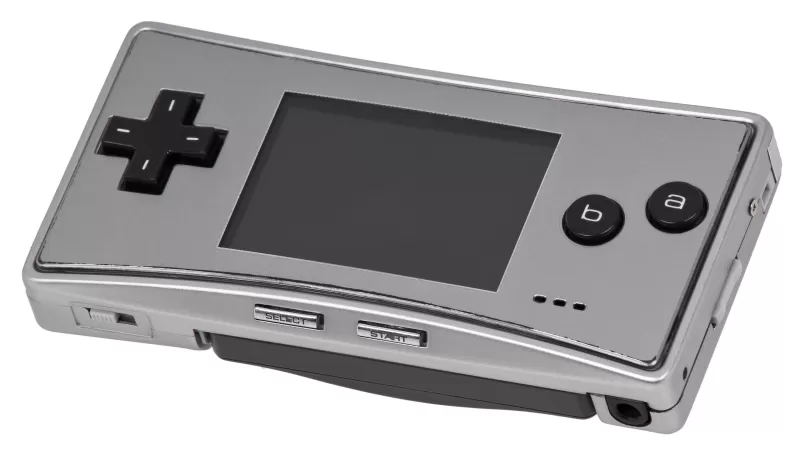 Introduced by Reggie Fils-Aimé at E3 2005, the Game Boy Micro was remarkably small. It featured a backlit screen with adjustable brightness and was backward-compatible with Game Boy, Game Boy Color, and Game Boy Advance games.
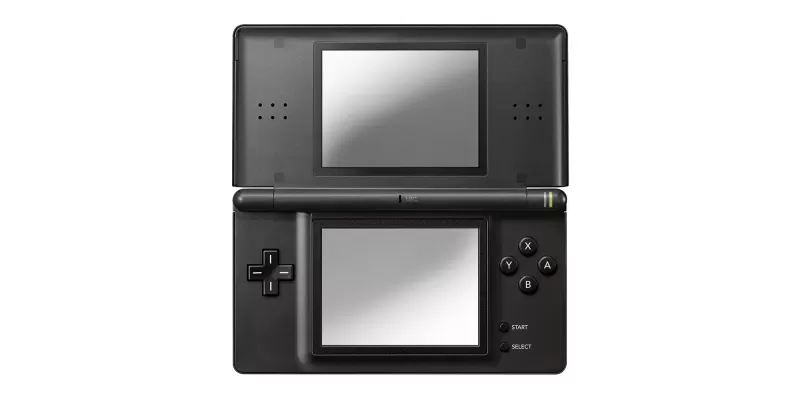 A slimmer and lighter version of the original DS, the Nintendo DS Lite improved screen brightness and battery life, enhancing the gaming experience.
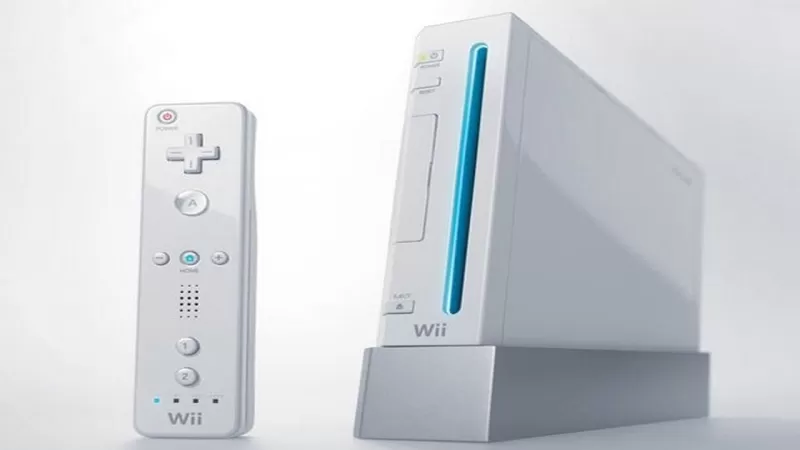 Revitalizing Nintendo's home console market, the Wii focused on motion controls with the innovative Wii Remote. It supported backward compatibility with GameCube games and introduced the Virtual Console for digital downloads of classic titles.
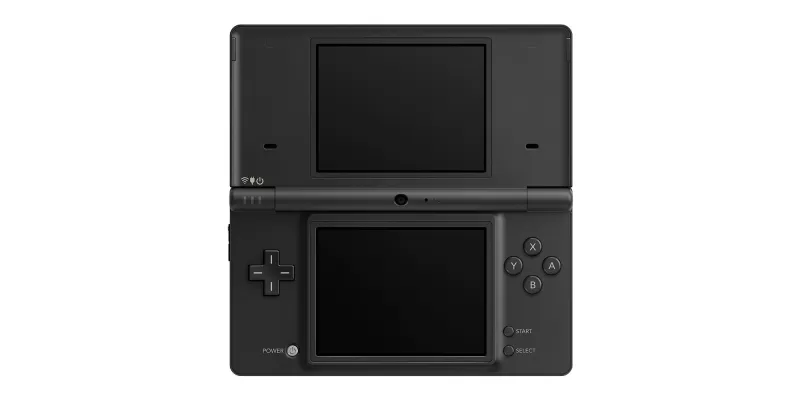 An upgrade to the DS, the Nintendo DSi added cameras and an SD card slot but removed the Game Boy Advance slot.
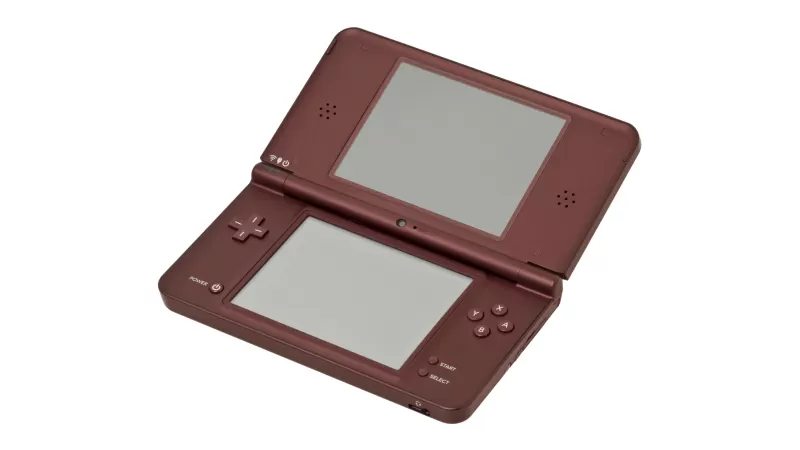 Larger than the DSi, the DSi XL featured bigger, wider-view screens and improved sound quality, enhancing the user experience.
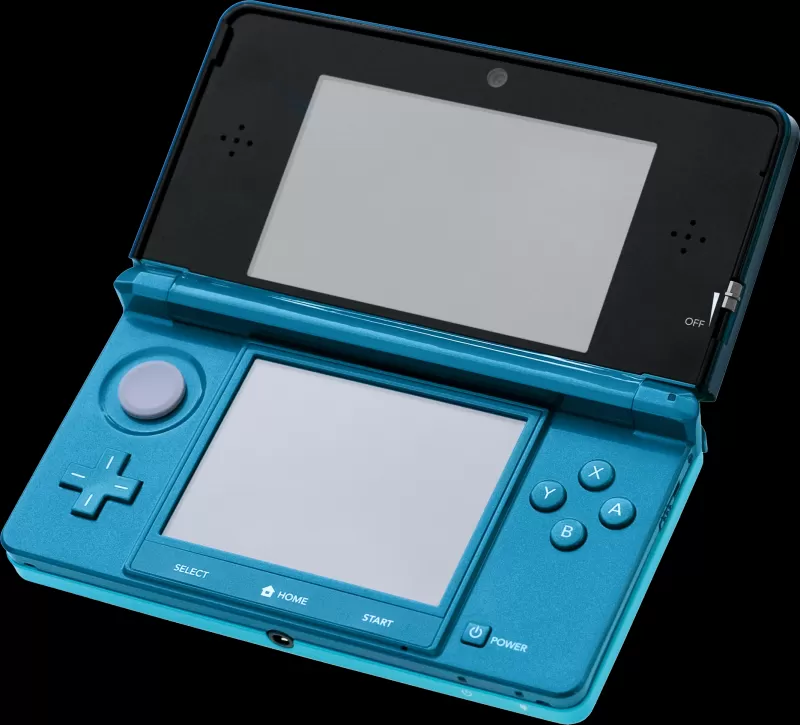 Offering 3D capabilities without glasses, the Nintendo 3DS was a significant upgrade from the DS. It featured impressive titles like The Legend of Zelda: A Link Between Worlds and Super Mario 3D Land.
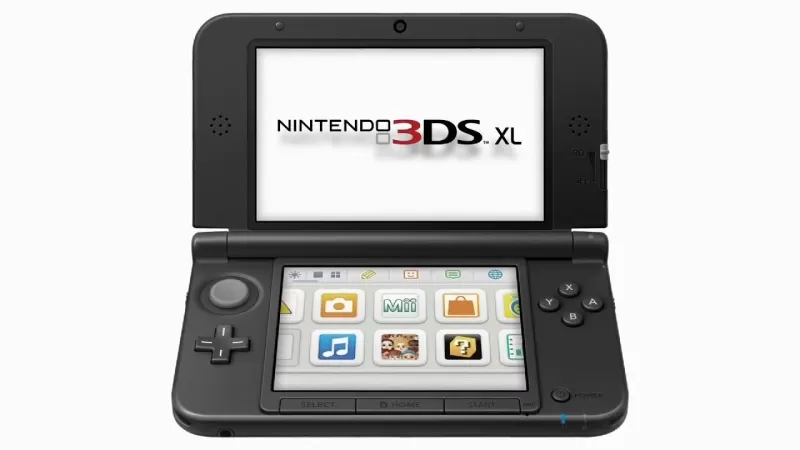 With screens 90% larger than the original 3DS, the 3DS XL provided a more immersive gaming experience.
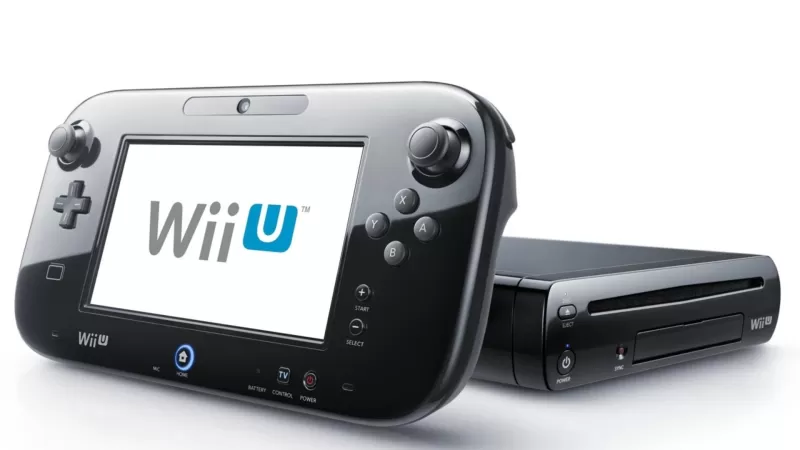 As the successor to the Wii, the Wii U introduced the GamePad controller with a built-in screen. It supported HD graphics and included notable titles like Super Mario 3D World and Splatoon. Despite poor marketing and confusion, it laid the groundwork for the Nintendo Switch.
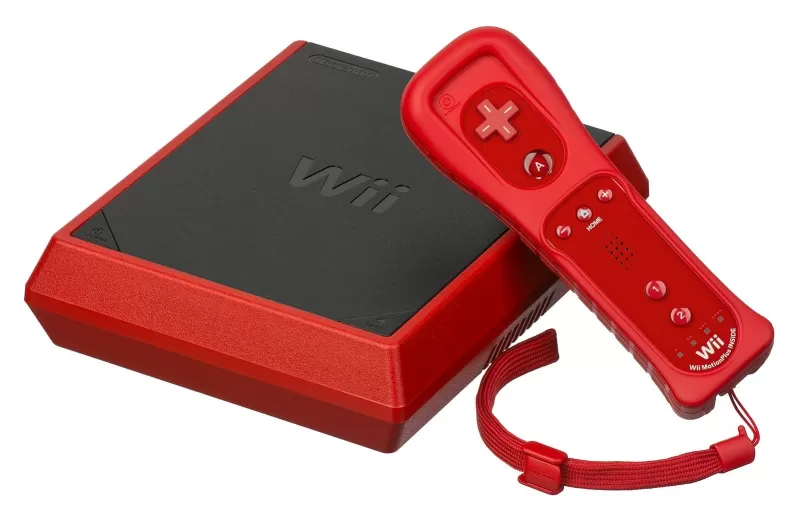 A smaller, lighter version of the Wii, the Wii Mini removed several features like GameCube support and Wi-Fi connectivity.
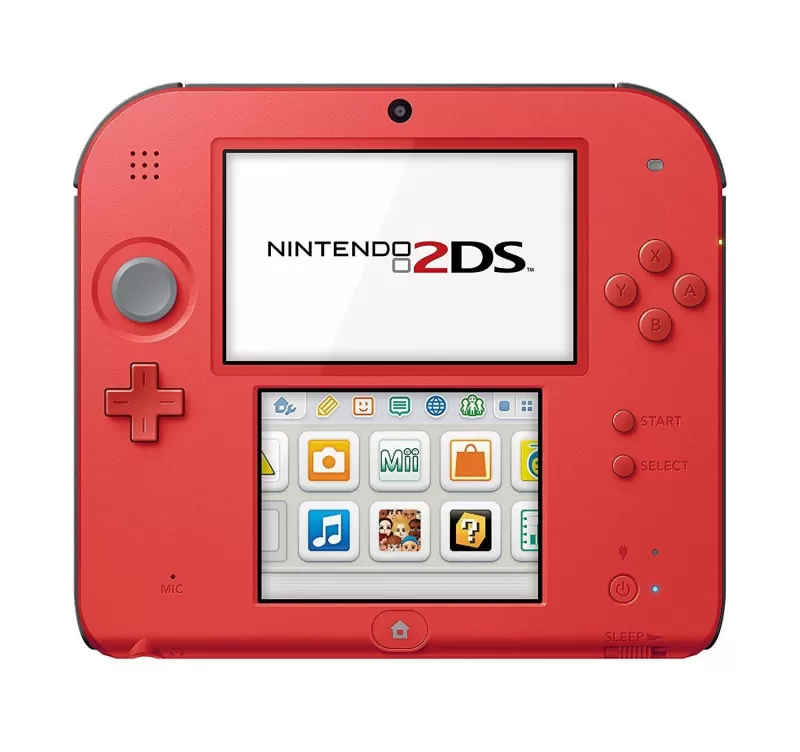 Removing the 3D feature from the 3DS, the 2DS offered a flat, square design at a lower price point, sacrificing some sound quality for affordability.
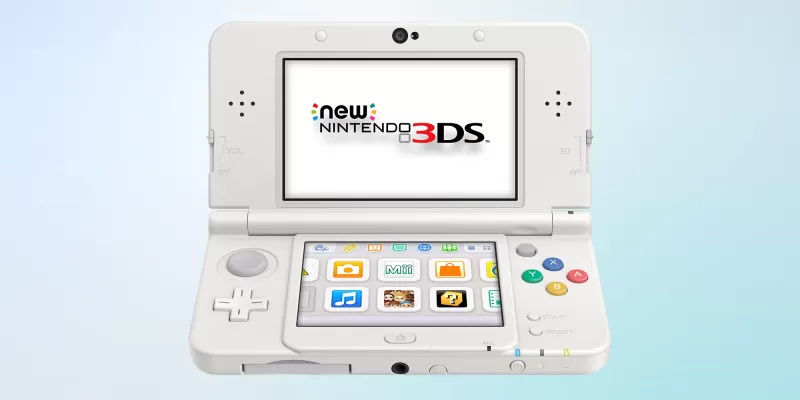 Enhancing the original 3DS, the New Nintendo 3DS added new controls and amiibo support, though its North American release was delayed.
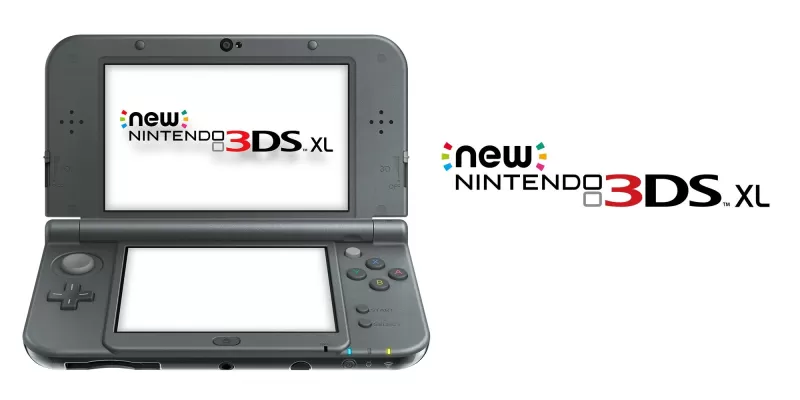 Larger than the New Nintendo 3DS, the XL model featured even bigger screens and removed the ability to change face plates, offering special edition designs instead.
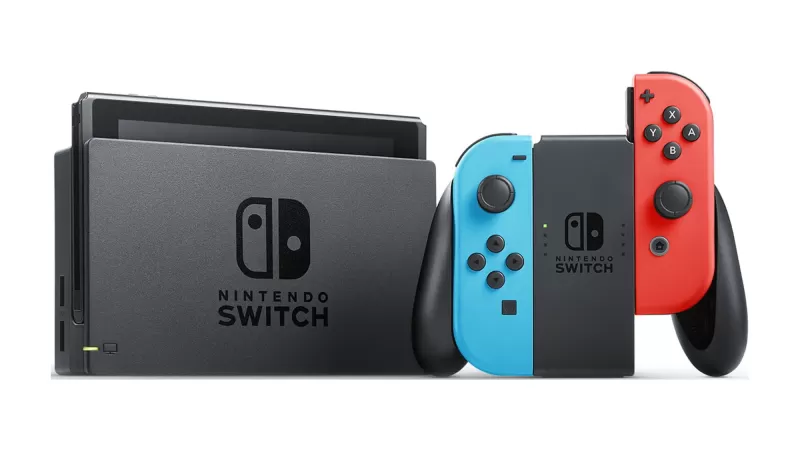 Combining the functionality of a home and portable console, the Nintendo Switch revolutionized gaming with its versatile design and an exceptional first-party library.
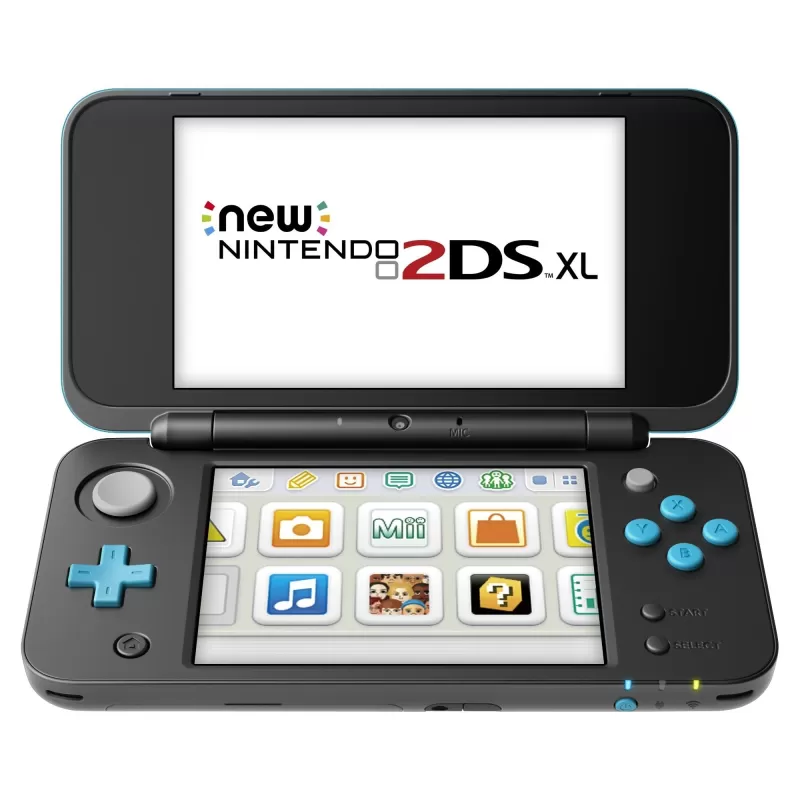 Upgrading the 2DS, the 2DS XL added an analog stick, shoulder buttons, amiibo support, and returned to the clamshell design, also supporting New 3DS titles.
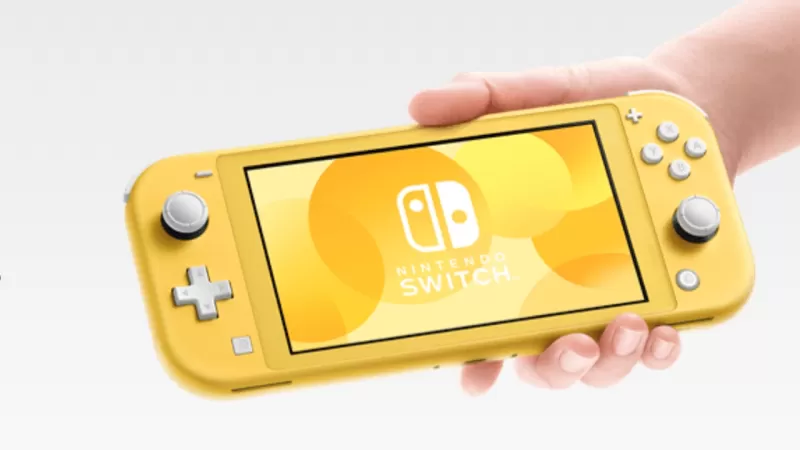 A compact version of the Switch, the Switch Lite featured built-in controllers and was designed for handheld play only, reducing the cost.
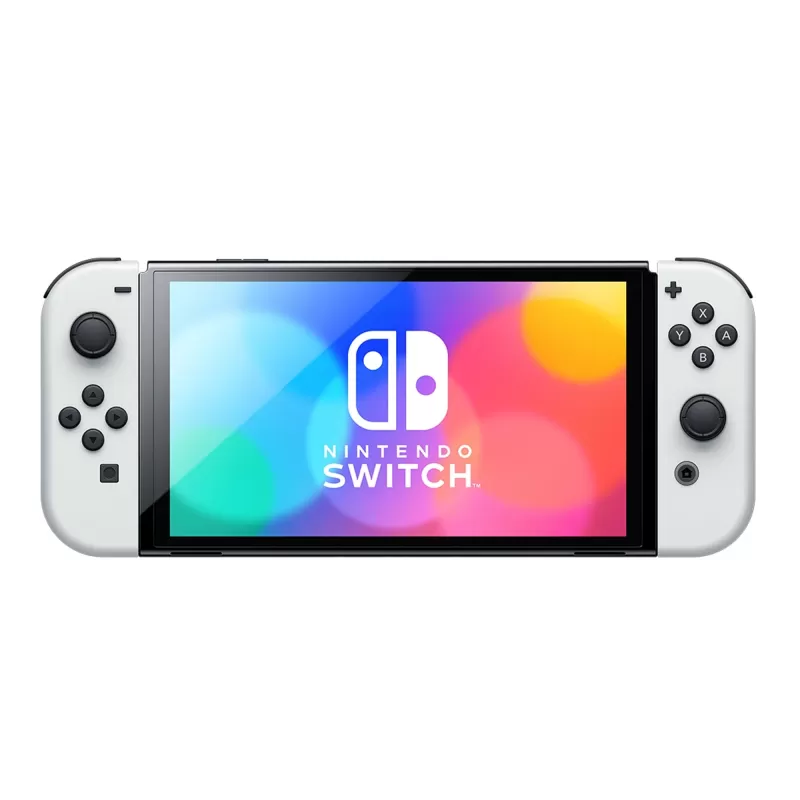 Introducing a larger, premium OLED screen and enhanced speakers and kickstand, the Switch OLED model debuted alongside Metroid Dread.
Analysts estimate the new console's price at around $400. Based on the trailer, we've gathered all available information, but further details, including a release date, are expected to be shared during a Nintendo Direct scheduled for April 2.
AnswerSee ResultsGirls Frontline 2: Exilium Global Website Goes Live, Along With Its Socials!
Marvel Rivals: Understanding Bussing and Catching It
New Game Plus in Assassin's Creed Shadows: Confirmed?
Top Skills to Prioritize for Yasuke in Assassin’s Creed Shadows
Assassin’s Creed Shadows Movements Reviewed by Two Parkour Athletes
Death Stranding 2 Release Date Unveiled in Massive Trailer
Pokemon GO Leak Teases New Adventure Effects
Amazon Music Unlimited: Free 3-Month Trial Available
GOG unveils one-click mods, Skyblivion arrives this year
Mar 30,2026
The Darkside Detective Is This Week’s Free Mobile Game on the Epic Games Store
Mar 29,2026

Randy Pitchford Defends Borderlands 4 Comment in Statement
Mar 28,2026
Pokémon Players Now Think Another Card 'Looks Very Similar' to Fan Art, but Others Aren't Convinced This Is a Ho-Oh Plagiarism Situation
Mar 26,2026
Clown Alley Creator Launches, Craft Your Character
Mar 26,2026
 Category