
by Joseph Apr 13,2025
In recent years, Capcom has experienced an unprecedented surge in success, with games like Monster Hunter Wilds breaking Steam records and the Resident Evil series thriving thanks to hits like Village and a series of acclaimed remakes. It seems as though Capcom can do no wrong, but this wasn't always the case. Just a few years ago, the company was struggling after a series of flops and had lost both its direction and its audience.
Capcom found itself grappling with an identity crisis. The iconic Resident Evil series, which pioneered survival horror, had strayed from its roots following the action-heavy Resident Evil 4. Similarly, the beloved Street Fighter franchise was faltering after the poorly received Street Fighter 5, which left fans and the company reeling.
Yet, from these challenges, Capcom emerged stronger. A significant shift in their game development approach, bolstered by the adoption of a new, powerful game engine, revitalized their flagship series and set the stage for a remarkable comeback.
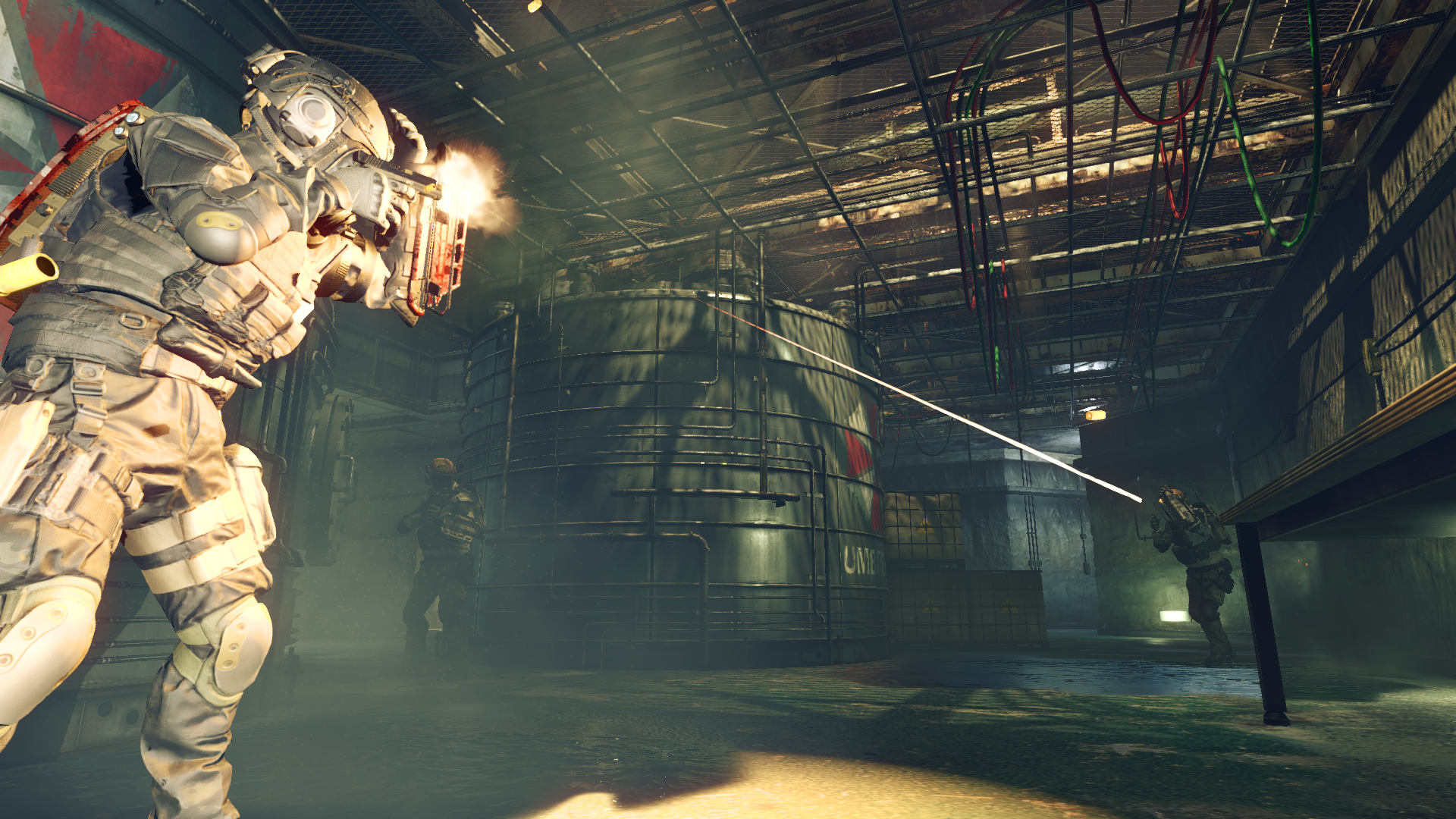
2016 was a challenging year for Capcom. The release of Resident Evil's Umbrella Corps, an online co-op shooter, was met with harsh criticism from both reviewers and fans. Meanwhile, Street Fighter 5 left long-time fans disappointed, and Dead Rising 4 marked the final entry in its series. These releases were part of a broader trend of struggles that Capcom faced since 2010, with diminishing critical reception for the mainline Resident Evil games, despite strong sales. Street Fighter was struggling, and other key franchises like Devil May Cry were absent from the scene. Even Monster Hunter, despite its massive following in Japan, had difficulty penetrating international markets.
As Capcom's creative director Yasuhiro Ampo noted, "Many of us started feeling that what the fans and players wanted from the series was getting a little bit separate from what we were making." This sentiment marked a stark contrast to Capcom's current position as a studio that consistently delivers hit games across its most famous franchises, including Monster Hunter World, Devil May Cry 5, Street Fighter 6, and a series of critically acclaimed remakes and soft reboots of the Resident Evil series.
Capcom's turnaround required more than just learning from past mistakes; it necessitated a complete strategic overhaul. IGN sat down with four of Capcom's leading creatives to explore how the company managed to recover from its lows and achieve new heights.
Founded in 1979 as a manufacturer of electronic game machines, Capcom rose to prominence in the '80s and '90s with 2D classics like Street Fighter and Mega Man. The transition to 3D gaming in the 2000s, highlighted by Resident Evil 4, was a pivotal moment that set the stage for future success.
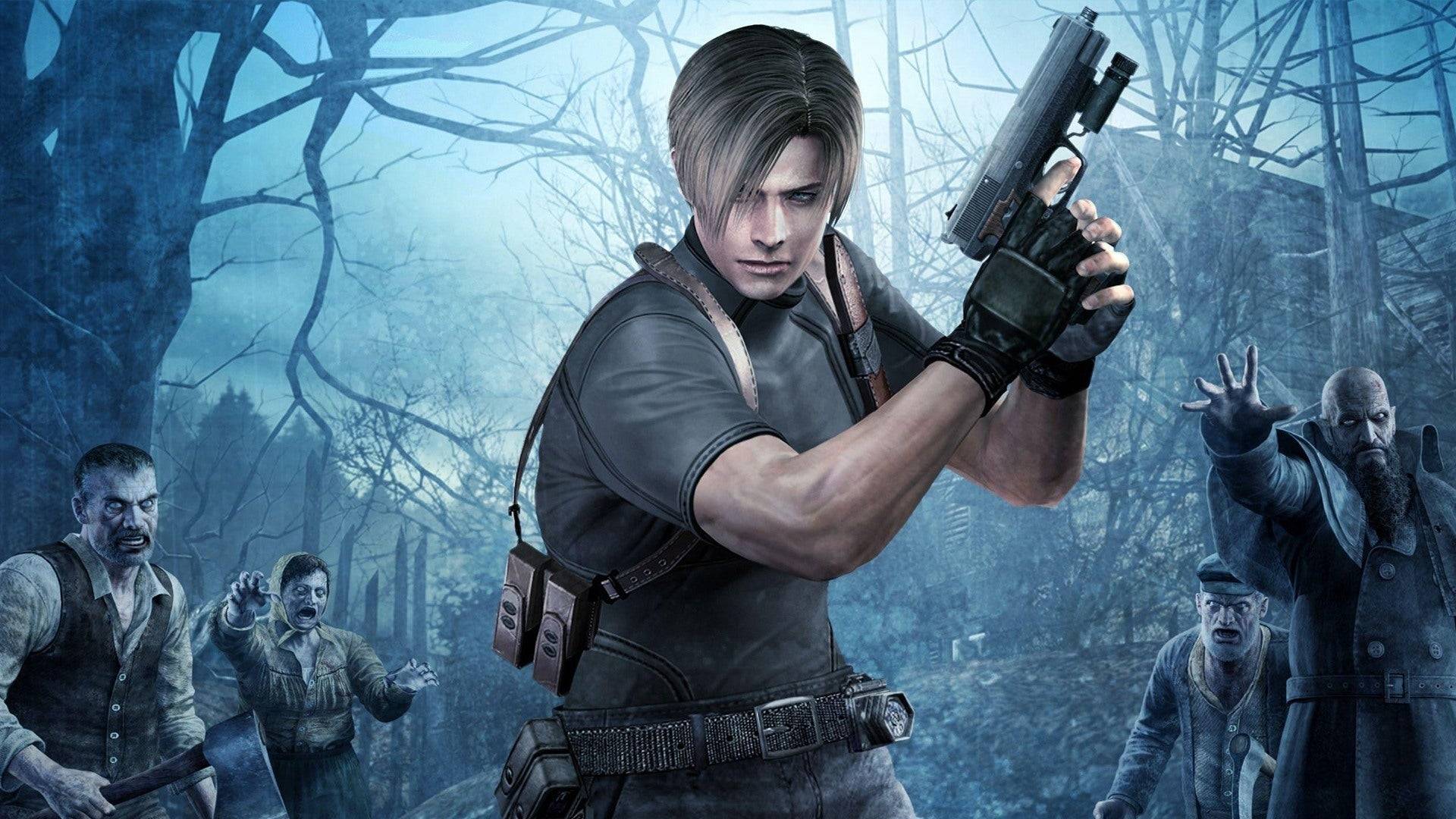
Resident Evil 4, released in 2005, is often hailed as a generational masterpiece for its perfect blend of horror and action. However, this balance was lost in subsequent titles. Resident Evil 5 introduced action-heavy sequences that felt more like Hollywood blockbusters than survival horror, leading to a dilution of the series' identity. This was evident in Resident Evil 6, which attempted to cater to both action and horror fans but ultimately left both groups unsatisfied.
This issue wasn't confined to Resident Evil. Street Fighter 4 was a massive hit, but its sequel, Street Fighter 5, was criticized for its lack of content and poor online functionality. Other key franchises like Devil May Cry also faced challenges, with Capcom outsourcing the next installment to Ninja Theory, which received mixed reactions. The early to mid-2010s were marked by Capcom's struggle to recapture past glories while new ventures like Lost Planet and Asura's Wrath failed to resonate with audiences. Dragon's Dogma was a bright spot, but overall, Capcom's focus was scattered.
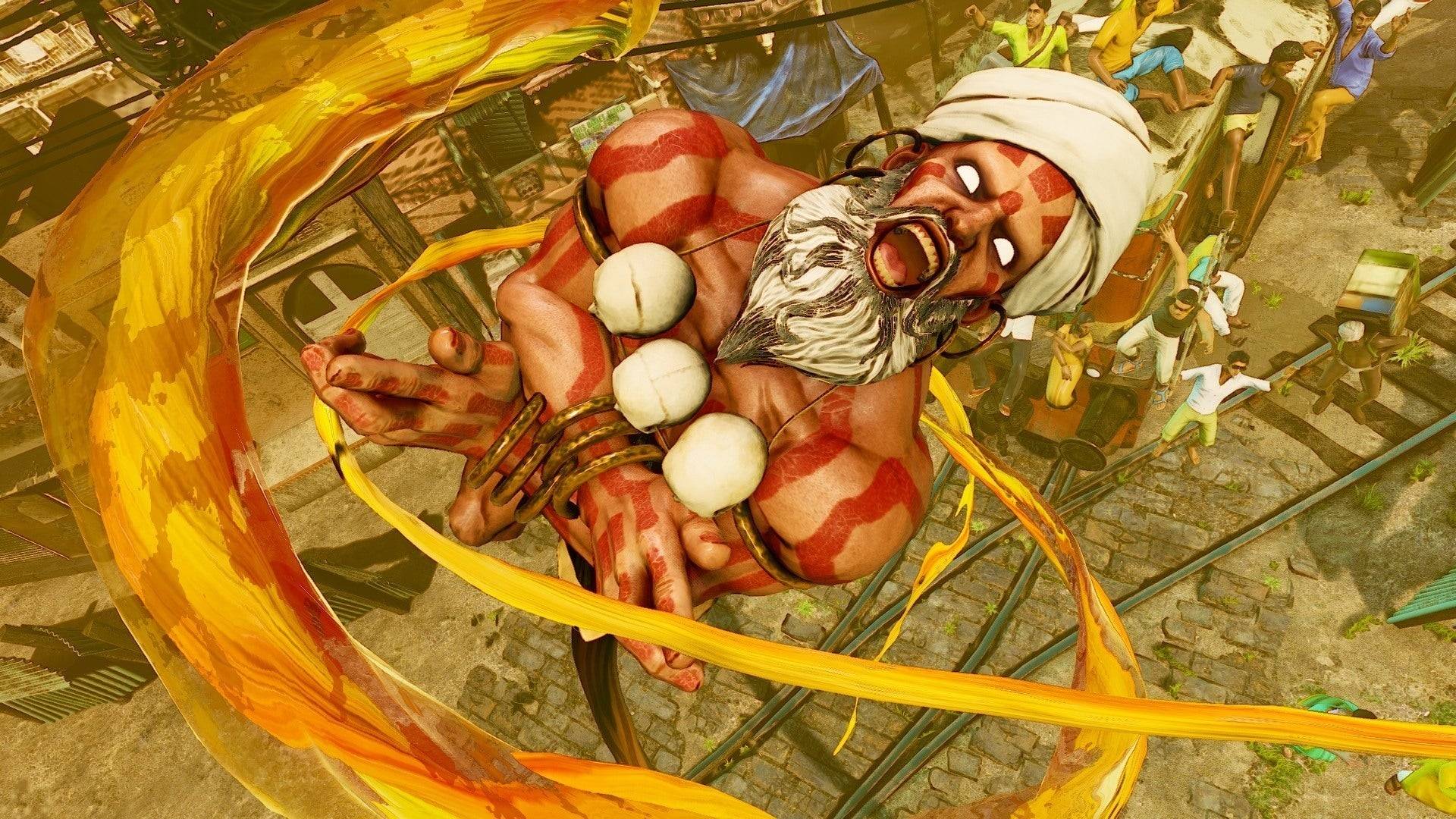
By the mid-2010s, Capcom initiated a series of strategic changes to turn its fortunes around. The first step was addressing the issues with Street Fighter 5. Directors Takayuki Nakayama and producer Shuhei Matsumoto were tasked with stabilizing the game. Nakayama admitted, "There definitely were some challenges within the production of the game, and that was part of the reason why I was brought into the team."
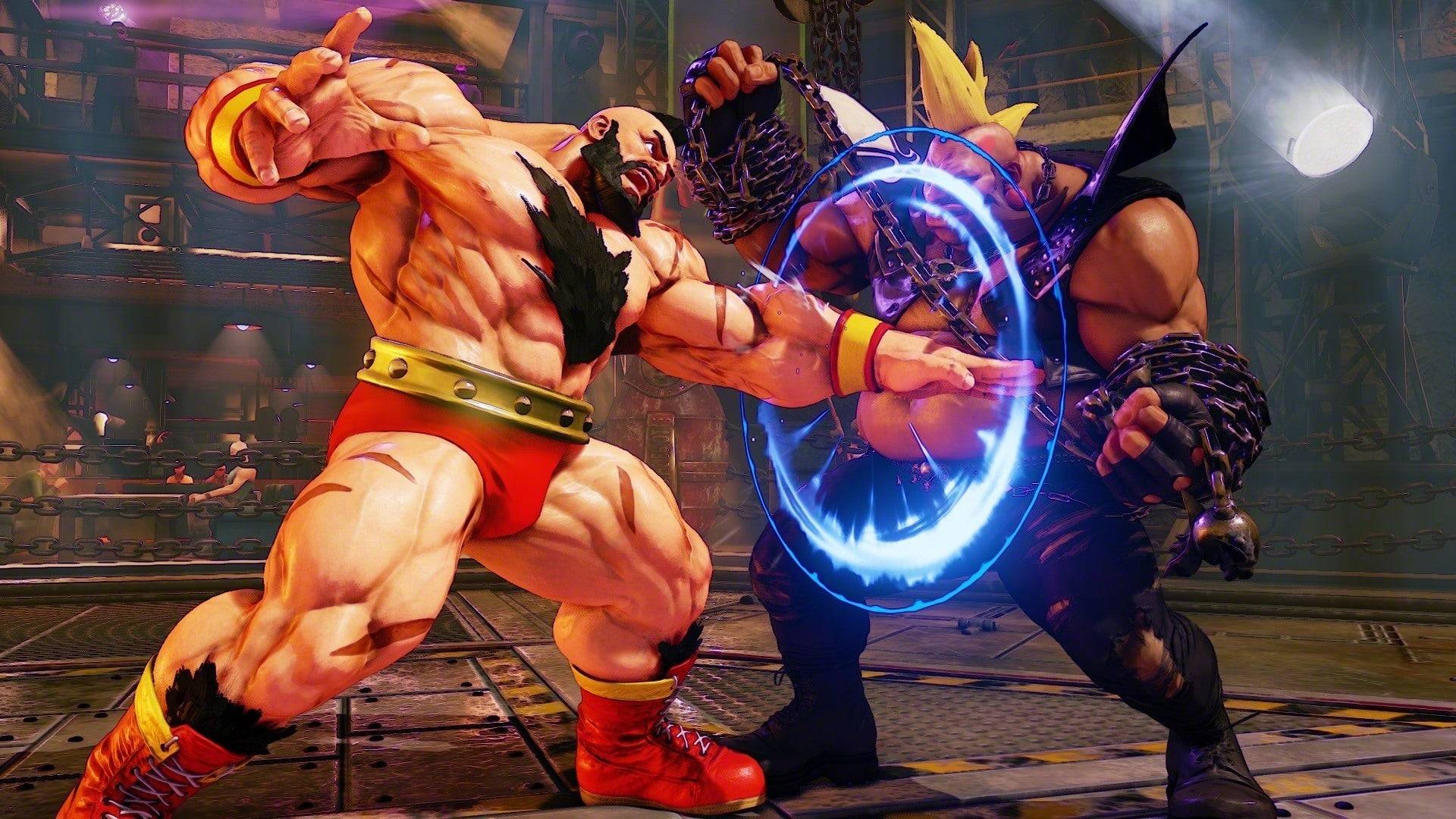
Despite constraints, the team focused on fixing the most pressing issues, laying the groundwork for future improvements in Street Fighter 6. Matsumoto explained, "While we were working on Street Fighter V, we were trying to figure out what we really wanted to do in Street Fighter 6 content-wise." The development of Street Fighter 5 became a testing ground for new ideas that were later refined in Street Fighter 6, which launched to critical acclaim.
To prevent similar issues in the future, Capcom needed a more fundamental change. This came with the introduction of the RE Engine and a focus on creating games for a global audience.
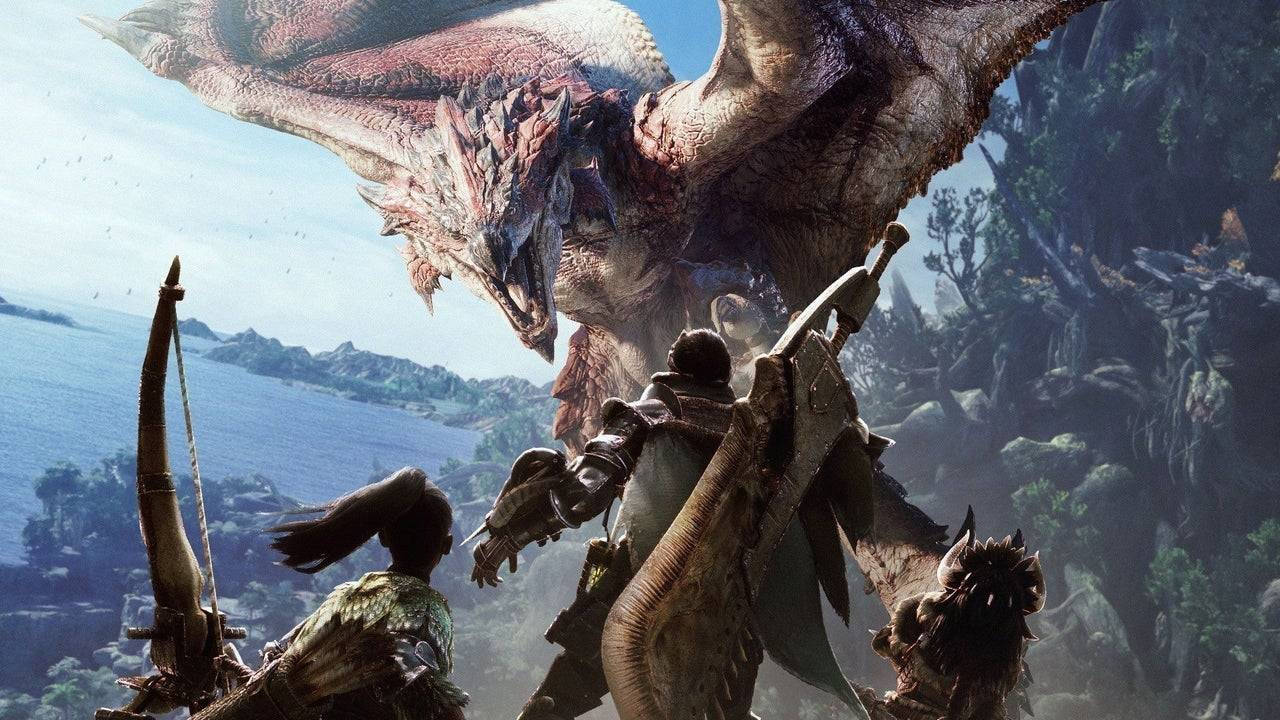
Around the time of Street Fighter 5's launch, Capcom underwent a significant internal reorganization. The new RE Engine replaced the aging MT Framework, and the company set a clear goal to create games that appealed to a global audience. Hideaki Itsuno, known for his work on Devil May Cry, emphasized, "The change of the engine and also all teams were given a very clear goal at that point to make games that reach the global market."
Capcom's earlier efforts to chase Western gaming trends had mixed results, but the shift towards global appeal marked a turning point. This was exemplified by Monster Hunter: World, released in 2018. Designed for a worldwide audience, it featured simultaneous global release and no region-exclusive content. Executive producer Ryozo Tsujimoto noted, "The fact that we called it Monster Hunter: World is really kind of a nod to the fact that we wanted to appeal to this worldwide audience."
Monster Hunter: World's success was further bolstered by global focus testing, which led to gameplay tweaks like displaying damage numbers. These changes helped the series achieve unprecedented sales, with Monster Hunter: World and Monster Hunter Rise each selling over 20 million copies. Tsujimoto emphasized the importance of maintaining the series' core while making it accessible to new players, a strategy that continues with Monster Hunter Wilds.
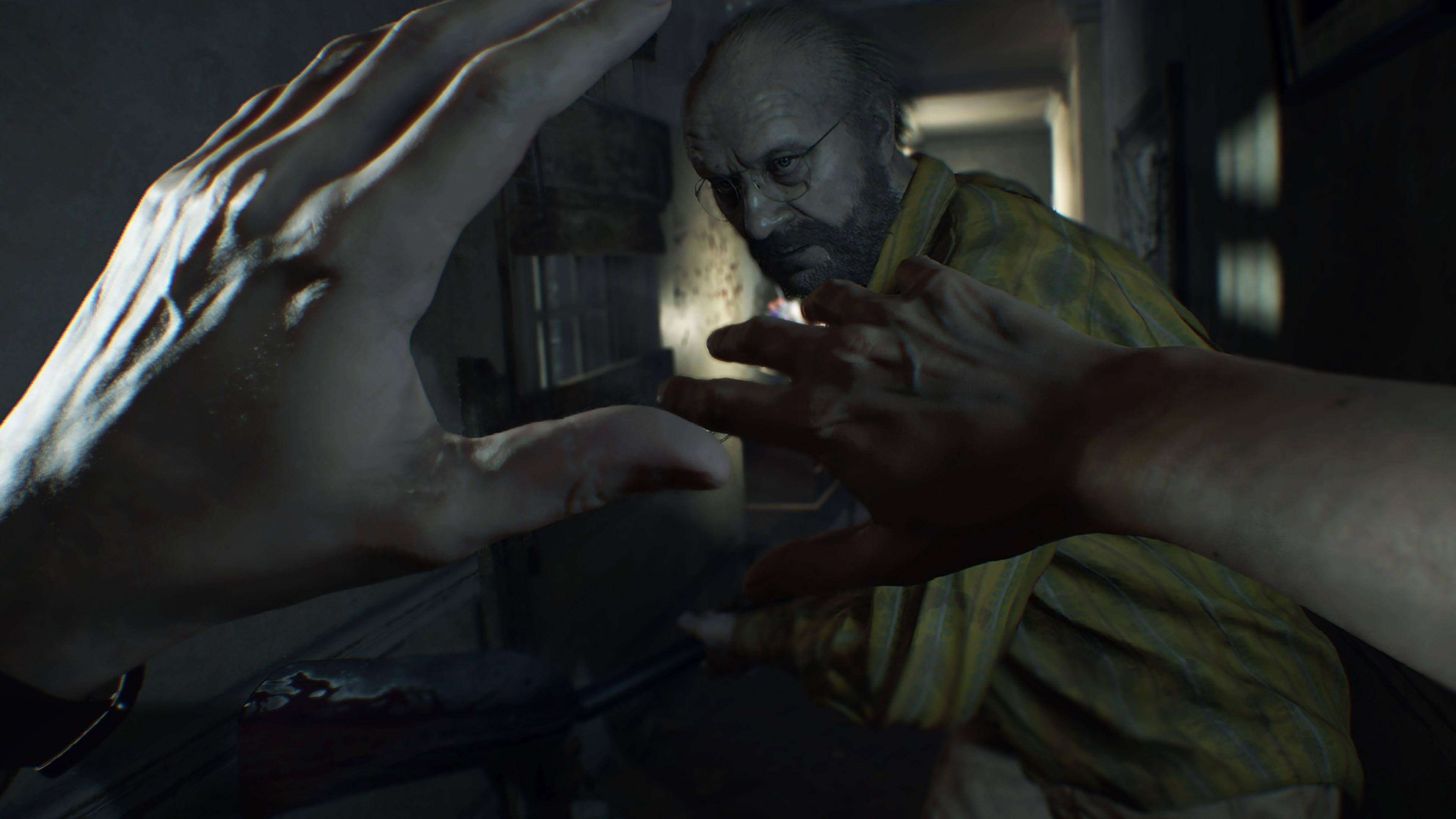
For Resident Evil, the challenge was to decide between its action and survival horror roots. Executive producer Jun Takeuchi made the decisive move to return to survival horror with Resident Evil 7. The game's first-person perspective and focus on horror elements revitalized the series, as Yasuhiro Ampo explained, "With Resident Evil 7, the executive producer, Jun Takeuchi, made it clear that we cannot underestimate how critical it is for the series for it to be scary and about survival."
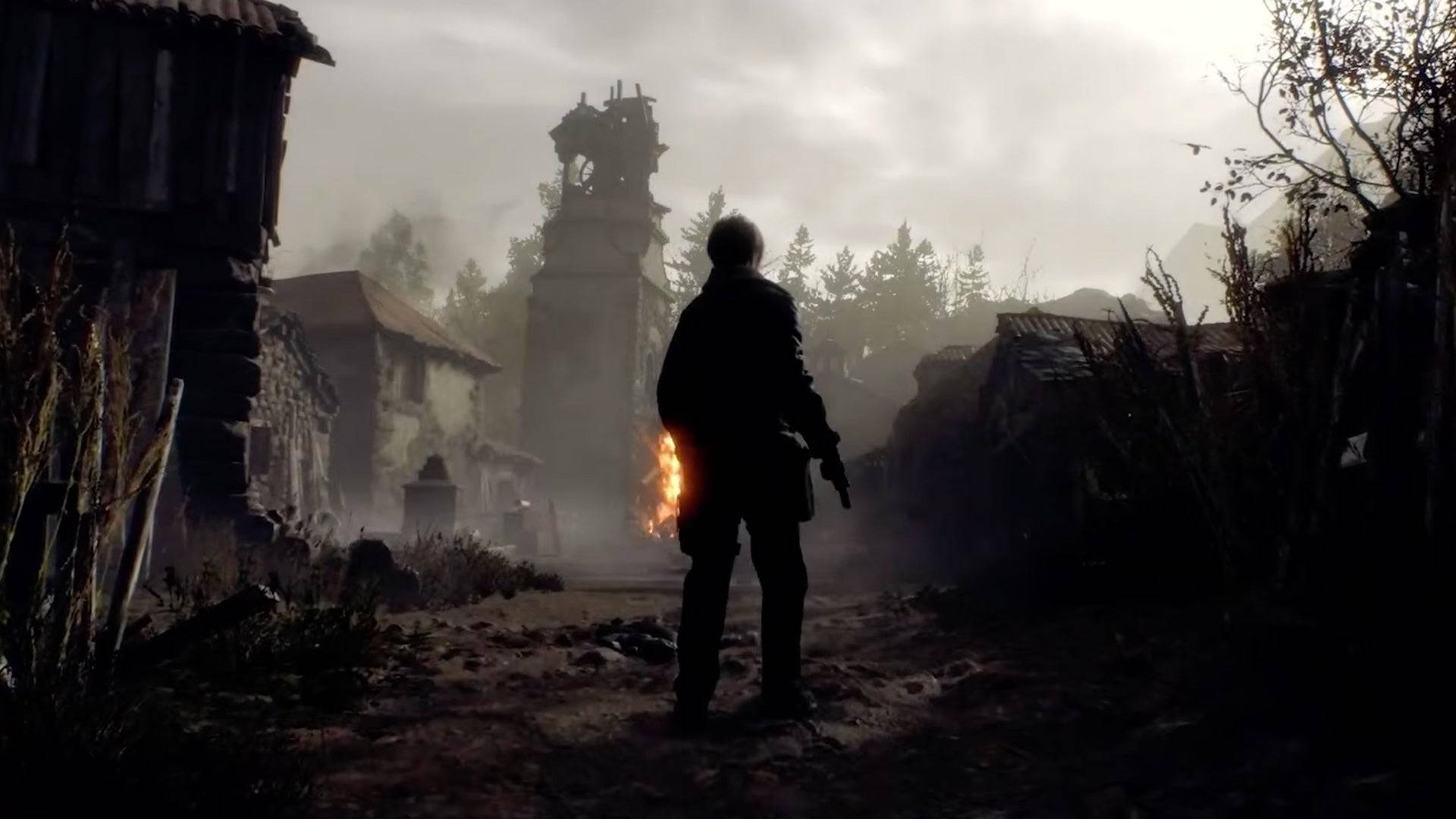
Resident Evil 7's success was followed by a series of remakes, starting with Resident Evil 2, which combined horror with action and puzzles. The Resident Evil 4 remake faced initial hesitation due to the original's enduring popularity, but it ultimately fine-tuned the balance between action and horror, resulting in another hit.
Simultaneously, Devil May Cry director Hideaki Itsuno aimed to bring back the genre's challenge, leveraging the RE Engine to create Devil May Cry 5. Itsuno noted, "I felt like the main trend with action games was to make action games that were very kind. Maybe, for me, a little bit too kind to the players, lending a hand to the player too much to my liking."
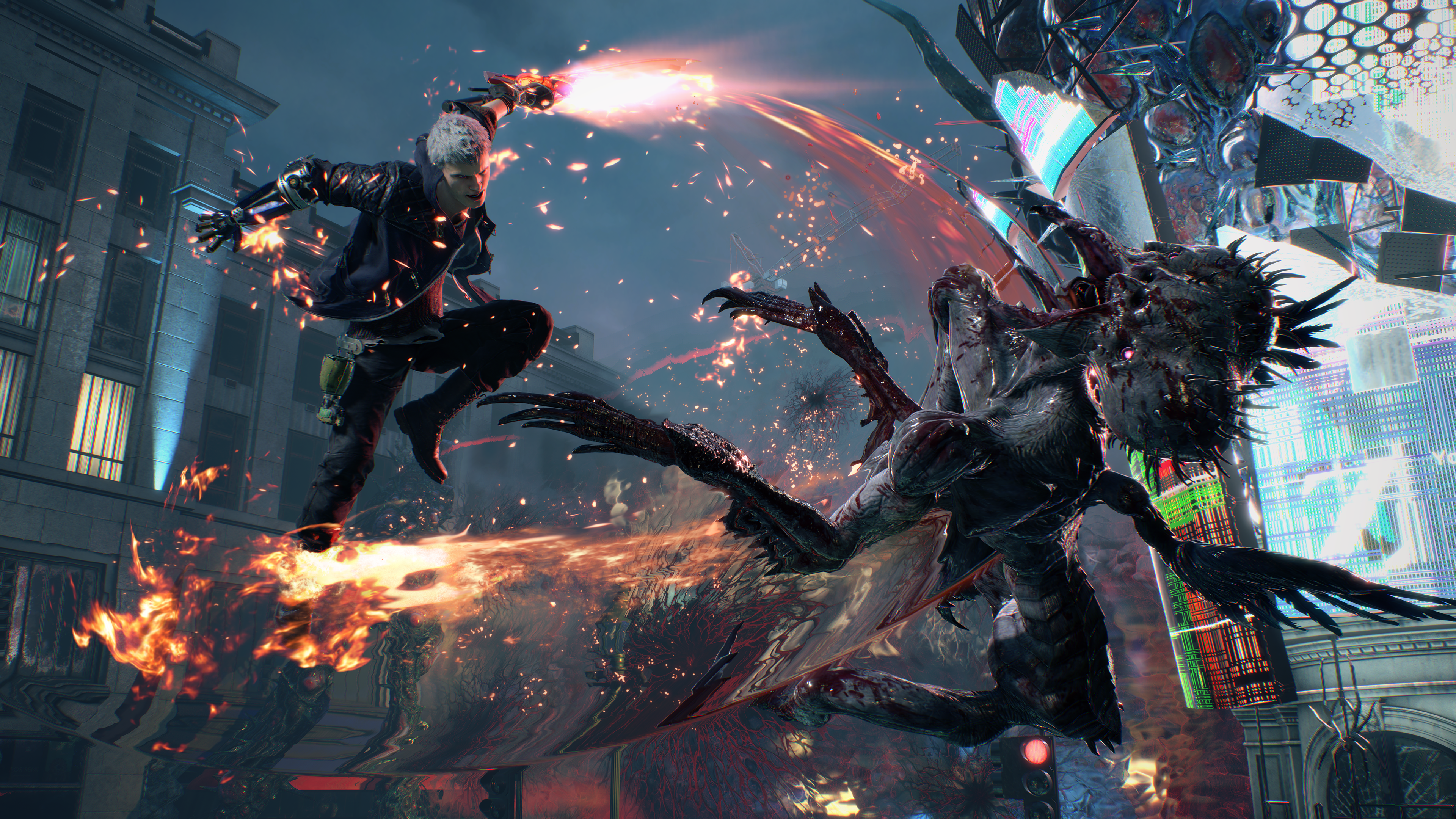
The RE Engine was crucial in Capcom's revival, offering both photorealistic assets and a nimble development environment. Ampo highlighted, "The original concept for the RE Engine was to allow for a development environment that was less stressful and could help us to make things quicker." This allowed for rapid iteration and experimentation, which was essential for Itsuno's vision of creating the "coolest" action game with Devil May Cry 5.
Since 2017, Capcom has consistently released critically acclaimed games across various genres, from survival horror to fighting games to action RPGs. This success stems from a focus on creating globally appealing games using advanced technology. Capcom's ability to maintain the integrity of its franchises while expanding their reach has set it apart from contemporaries struggling to find their footing.
Nakayama expressed enthusiasm about Capcom's current state, stating, "It’s a very exciting time to be at Capcom right now. A lot of us are able to get excited about what we’re working on and are able to focus on things that we think are fun." Tsujimoto added, "Capcom is going through a golden era, and, well, now we have to do everything we can so that this lasts one more year, one more year, and every year, one more year."
Capcom's journey from near failure to a new golden age is a testament to the power of strategic innovation and a commitment to core values, ensuring that the company continues to thrive in the competitive world of video games.
Girls Frontline 2: Exilium Global Website Goes Live, Along With Its Socials!
Marvel Rivals: Understanding Bussing and Catching It
New Game Plus in Assassin's Creed Shadows: Confirmed?
Top Skills to Prioritize for Yasuke in Assassin’s Creed Shadows
Assassin’s Creed Shadows Movements Reviewed by Two Parkour Athletes
Death Stranding 2 Release Date Unveiled in Massive Trailer
Pokemon GO Leak Teases New Adventure Effects
Amazon Music Unlimited: Free 3-Month Trial Available

Horizon Driving Simulator
Download
Pregnant Games Mommy Simulator
Download
Big Brother In Space
Download
Poppy Pop It Antistress Fidget
Download
MyLove.
Download
고스톱 배우 맞고 : 스타 탐정 화투
Download
Vacation Hotel Stories
Download
Thief Simulator: Sneak & Steal
Download
Wolfoo's Town: Dream City Game
Download
Eternity's Bastion Season 2 Debuts Post-EVA 2025 Triumph
Apr 02,2026

Alien RPG: Idle Space Farm Guide
Apr 02,2026
GOG unveils one-click mods, Skyblivion arrives this year
Mar 30,2026
The Darkside Detective Is This Week’s Free Mobile Game on the Epic Games Store
Mar 29,2026

Randy Pitchford Defends Borderlands 4 Comment in Statement
Mar 28,2026
 Category